Louisiana’s political landscape is on the cusp of a significant shift as a newly proposed measure could reshape the governor’s role in appointing officials to the state’s occupational licensing boards. This measure, encapsulated in House Bill 603, seeks to grant the governor more flexibility by transitioning from obligatory recommendations from trade associations to optional ones.


Currently, appointments to 32 boards, which include those overseeing professions such as accountants, plumbers, and engineers, are tightly bound by candidate lists provided by industry trade associations. However, if House Bill 603 passes, these lists would become optional, potentially allowing for a more diverse selection process.


Conflict of Interest Concerns

Rep. Dixon McMakin, the bill’s sponsor, argues that this change is necessary to resolve conflicts where trade associations exert undue influence on regulatory boards, often at the consumer’s expense. He emphasizes that “occupational licensing boards exist to protect the consumer, while associations exist to represent the industry.”


Supporters of the bill, such as the Pelican Institute for Public Policy, believe that reducing trade group influence could usher in fresher perspectives and greater entrepreneurial inclusivity. Daniel Erspamer, CEO of the Pelican Institute, noted, “Efforts to democratize these boards and add more consumer members in the regulatory process are beneficial for everyone involved, especially Louisiana’s emerging entrepreneurs.”


Opposition and Concerns

Despite these optimistic views, the Louisiana Association of Substance Abuse Counselors and Trainers opposes the bill. They fear that the shift could lead to politicization and insufficient vetting of candidates. Marolon Mangham, CEO of LASACT, expressed concerns that appointments could become political without the thorough vetting currently provided by associations.


LASACT currently nominates six of the eight members of the Addictive Disorder Regulatory Authority, which oversees addiction counselors. Mangham stresses the importance of ensuring members have proper credentials and demonstrated competency in the field.


Legislative Movement and Broader Trends

House Bill 603 has already passed the state House and is now moving to the Senate for consideration. This development is part of a broader trend of expanding the governor’s appointing authority. Last year, a new law granted the state’s chief executive the authority to name the chairs of nearly 150 state boards.


Steven Procopio, president of the Public Affairs Research Council of Louisiana, acknowledges this trend, stating, “This continues the trend of the governor consolidating power of boards and commissions.” However, he also emphasizes the need for balance between the expertise trade associations provide and the potential conflicts of these organizations regulating themselves.


As this legislative measure moves forward, all eyes will be on the Senate to see how this potential shift in governance will unfold for Louisiana’s occupational licensing boards.

More Articles

Getting licensed or staying ahead in your career can be a journey—but it doesn’t have to be overwhelming. Grab your favorite coffee or tea, take a moment to relax, and browse through our articles. Whether you’re just starting out or renewing your expertise, we’ve got tips, insights, and advice to keep you moving forward. Here’s to your success—one sip and one step at a time!

Is Florida’s Booming Real Estate Market Becoming Unaffordable?

Florida is facing a real estate crisis marked by skyrocketing insurance premiums, stringent FEMA rules, and a surge in hedge fund property acquisitions.

By |November 14, 2024|Categories: Article, Finance/Economy, Real Estate|Tags: , |0 Comments

Revolutionizing Cancer Therapy: The Promise of Patient-Derived Organoids

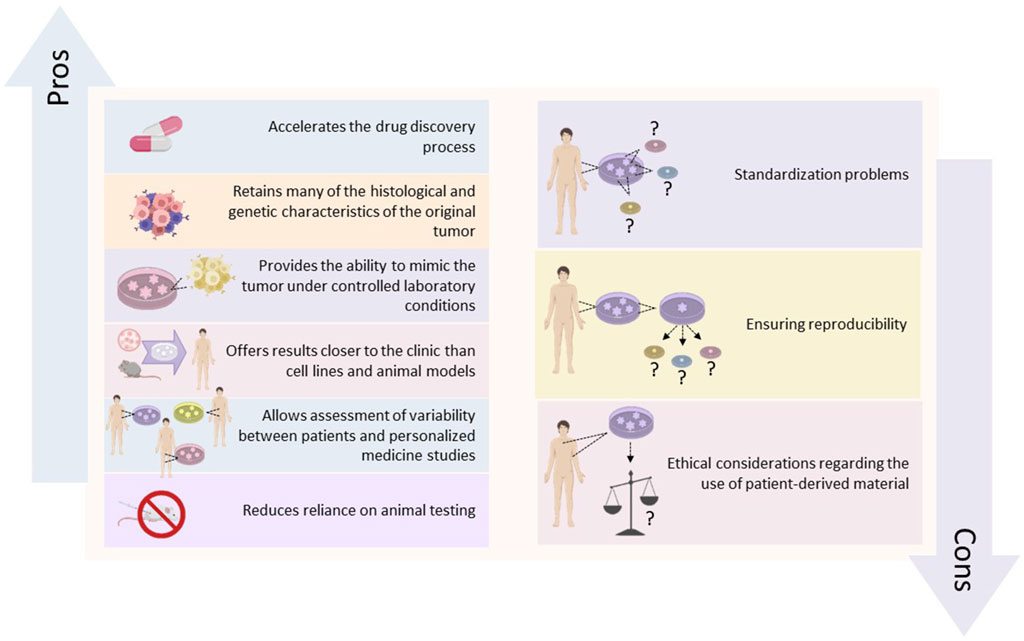
Patient-derived organoids offer an unprecedented opportunity to replicate the complex structure and genetic makeup of cancers, providing a more accurate model for clinical drug screening and pharmacognostic assessment.

The AI Revolution in Dermatology: A Systematic Review

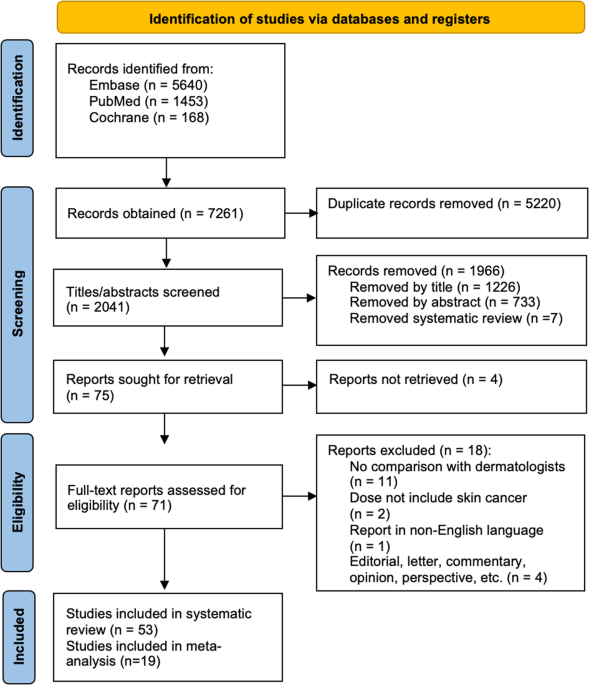
In a groundbreaking study published in Nature, researchers have delved into the burgeoning field of artificial intelligence (AI) in dermatology, specifically examining its role in diagnosing skin cancer. The study, titled "A Systematic Review and Meta-Analysis of Artificial Intelligence Versus Clinicians for Skin Cancer Diagnosis," offers a comprehensive look at how AI stacks up against human clinicians in this critical area of healthcare.

By |November 14, 2024|Categories: AI in Healthcare, Article, Dermatology|Tags: , |0 Comments

The Fast Lane to Fully Autonomous Vehicles: Industry Innovations and Future Prospects

The automotive world is abuzz with announcements from major players like Tesla, Rimac, Renault, and Nissan, each unveiling plans to introduce autonomous vehicles in the near future. Tesla's much-anticipated "CyberCab" is set for an October 2024 debut, while Rimac and Renault are gearing up for releases in 2026.

Futureproofing for Insurers: The Role of AI and Hyper-Personalization

In a rapidly evolving industry, insurance companies are turning to artificial intelligence (AI) and hyper-personalization to stay ahead of the curve.

Revolutionizing Healthcare: The Power and Potential of AI

AI technology offers a multitude of benefits, from enhancing patient outcomes to reducing healthcare costs and improving population health. Its application ranges from preventive screenings to complex diagnostic procedures, marking a new era in medical care.

By |November 13, 2024|Categories: Article, Artificial Intelligence, Healthcare|Tags: , |0 Comments