Louisiana’s political landscape is on the cusp of a significant shift as a newly proposed measure could reshape the governor’s role in appointing officials to the state’s occupational licensing boards. This measure, encapsulated in House Bill 603, seeks to grant the governor more flexibility by transitioning from obligatory recommendations from trade associations to optional ones.


Currently, appointments to 32 boards, which include those overseeing professions such as accountants, plumbers, and engineers, are tightly bound by candidate lists provided by industry trade associations. However, if House Bill 603 passes, these lists would become optional, potentially allowing for a more diverse selection process.


Conflict of Interest Concerns

Rep. Dixon McMakin, the bill’s sponsor, argues that this change is necessary to resolve conflicts where trade associations exert undue influence on regulatory boards, often at the consumer’s expense. He emphasizes that “occupational licensing boards exist to protect the consumer, while associations exist to represent the industry.”


Supporters of the bill, such as the Pelican Institute for Public Policy, believe that reducing trade group influence could usher in fresher perspectives and greater entrepreneurial inclusivity. Daniel Erspamer, CEO of the Pelican Institute, noted, “Efforts to democratize these boards and add more consumer members in the regulatory process are beneficial for everyone involved, especially Louisiana’s emerging entrepreneurs.”


Opposition and Concerns

Despite these optimistic views, the Louisiana Association of Substance Abuse Counselors and Trainers opposes the bill. They fear that the shift could lead to politicization and insufficient vetting of candidates. Marolon Mangham, CEO of LASACT, expressed concerns that appointments could become political without the thorough vetting currently provided by associations.


LASACT currently nominates six of the eight members of the Addictive Disorder Regulatory Authority, which oversees addiction counselors. Mangham stresses the importance of ensuring members have proper credentials and demonstrated competency in the field.


Legislative Movement and Broader Trends

House Bill 603 has already passed the state House and is now moving to the Senate for consideration. This development is part of a broader trend of expanding the governor’s appointing authority. Last year, a new law granted the state’s chief executive the authority to name the chairs of nearly 150 state boards.


Steven Procopio, president of the Public Affairs Research Council of Louisiana, acknowledges this trend, stating, “This continues the trend of the governor consolidating power of boards and commissions.” However, he also emphasizes the need for balance between the expertise trade associations provide and the potential conflicts of these organizations regulating themselves.


As this legislative measure moves forward, all eyes will be on the Senate to see how this potential shift in governance will unfold for Louisiana’s occupational licensing boards.


More Articles

Getting licensed or staying ahead in your career can be a journey—but it doesn’t have to be overwhelming. Grab your favorite coffee or tea, take a moment to relax, and browse through our articles. Whether you’re just starting out or renewing your expertise, we’ve got tips, insights, and advice to keep you moving forward. Here’s to your success—one sip and one step at a time!

Florida’s Home Insurance Market Shows Strong Signs of Recovery in 2026

Florida’s home insurance market is experiencing a wave of optimism as recent litigation reforms lead to fewer lawsuits, stronger insurer stability, and even rate reductions. With companies like Florida Peninsula lowering premiums and 17 new insurers entering the state, real estate, mortgage, and insurance professionals can expect smoother transactions, increased buyer confidence, and a more competitive market environment in the year ahead.

Mortgage Rates Slide to Multi‑Year Lows as 2026 Housing Momentum Accelerates

Mortgage rates have dipped to levels not seen since 2022, with the 30‑year fixed averaging just 6.361% and Freddie Mac reporting an even lower 6.06%. The drop is reshaping buyer affordability, sparking renewed market activity, and creating fresh opportunities for real estate professionals—especially in fast‑moving markets like Florida.

Is 2026 Finally the Breakthrough Year for Homebuyers?

The 2026 housing market is shaping up to be one of the most pivotal in years, with mortgage rates showing slight relief, affordability shifting toward the Midwest and South, and buyers turning to options like ARMs and new‑construction homes. Early signals point to new opportunities for buyers, investors, and real‑estate professionals—especially those ready to navigate a market defined by moderate rate drops, regional affordability gaps, and builder‑driven incentives.

Ares Commercial Real Estate Insider Shake‑Up Raises Questions for Industry Professionals

Ares Commercial Real Estate CEO Bryan Donohoe sold US$107k in shares this week, trimming his stake by 13% and adding to a pattern of insider selling with no insider purchases in the past 12 months. With insider ownership sitting at a modest 1.6%, the activity signals a cautious tone inside the company—something real estate, mortgage, and finance professionals may want to watch as they assess broader market confidence.

Florida’s 2026 Legislative Session Kicks Off With Major Moves for Real Estate, Insurance, and Business Professionals

Florida’s 2026 legislative session is officially underway, launching a wave of high‑impact bills targeting property insurance reform, a proposal to eliminate property taxes, new education attendance requirements, and even an AI Bill of Rights. With over a hundred bills already filed, real estate agents, investors, insurers, educators, and other licensed professionals can expect significant regulatory shifts that may reshape Florida’s housing market, insurance costs, and professional compliance standards.

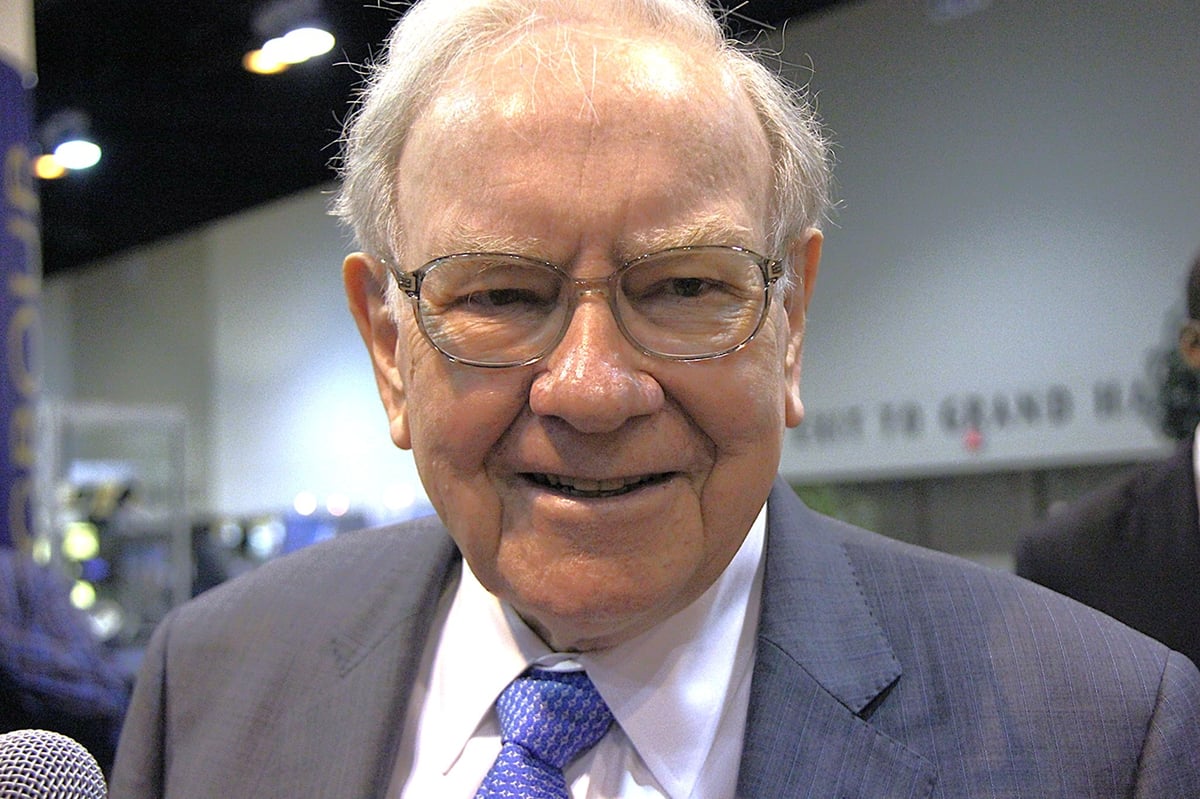
Warren Buffett’s 2026 Reminder: Conviction Beats Market Predictions

Warren Buffett’s timeless investing wisdom is more relevant than ever in 2026. Despite decades of market change, his core lesson remains the same: long‑term conviction outperforms short‑term prediction. From embracing occasional underperformance to avoiding emotional decisions, Buffett’s philosophy highlights why deep understanding and steady confidence are more valuable than trying to forecast market swings. This mindset isn’t just for investors—it’s a guiding principle for professionals looking to grow their careers with clarity and purpose.