Lower Interest Rates Brighten South Florida’s 2026 Real Estate Outlook
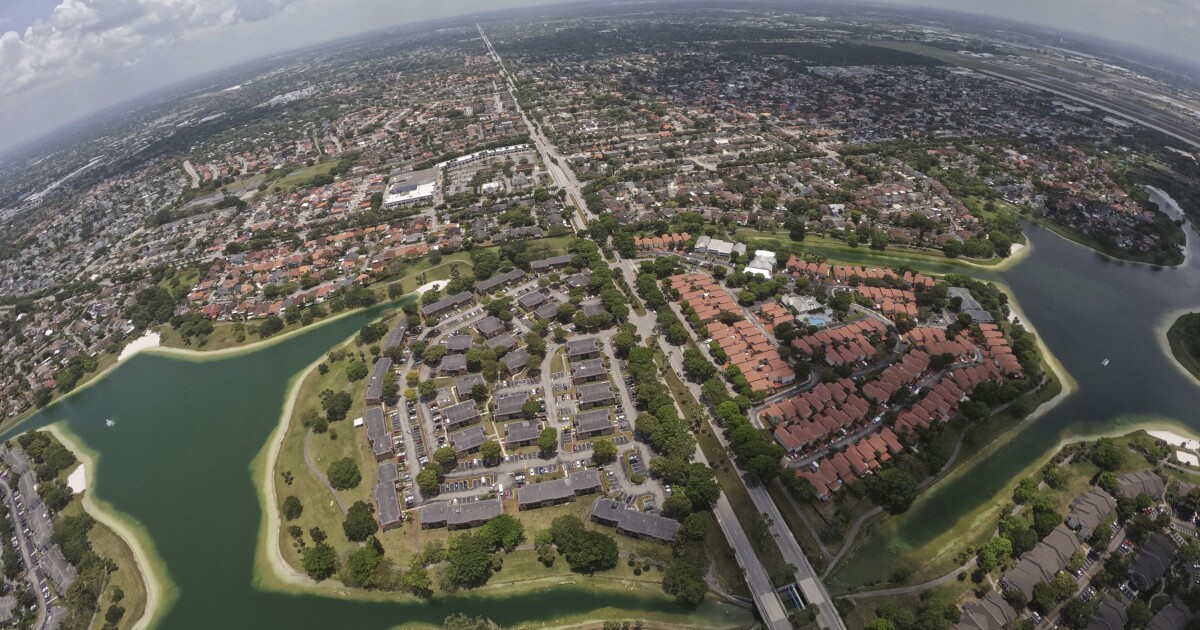
South Florida enters 2026 with a cautiously optimistic housing market as falling mortgage rates and a resilient job market help build momentum after a complicated 2025. While the condo market absorbed the hardest hits last year, stabilizing interest rates and buyer activity are beginning to restore confidence across the region.
Looking Back: How 2025 Shaped the Market
Single-family homes held their ground throughout 2025. Prices didn’t skyrocket, but in a post‑COVID‑boom world, even modest growth feels slower than usual for fast-paced South Florida. Limited inventory kept pricing stable, preventing the kind of market correction many had anticipated.
Condos, however, faced a tougher year. New listings surged—especially older buildings navigating the stricter safety reforms introduced after the Surfside tragedy. Early in the year, prices fell, and buyer hesitation grew. But by the final months of 2025, softening mortgage rates and lower prices started bringing buyers back into the fold.
2026: From Headwinds to Tailwinds
As 2026 begins, the biggest boost comes from falling mortgage rates. Not only does this lower monthly payments, it encourages current homeowners—many sitting on ultra-low pandemic-era rates—to consider listing their homes again. New movement means new opportunities.
The Miami Realtors Association predicts 30-year mortgage rates could drop to 5.8% by year’s end. For a $500,000 mortgage, that’s more than $100 saved per month—modest on paper, but powerful in practice.
Still, not all market segments are poised for a full rebound. While the pace of declining condo sales should ease, forecasters still expect a slower condo market overall. Redfin even lists South Florida among the markets most likely to cool in 2026.
Why Condos May Need More Time
The biggest challenge? The ongoing adjustment to building safety reforms. Associations have been under pressure to strengthen reserves, complete structural repairs, and implement long-term financial planning. Higher monthly fees and special assessments made some buyers cautious in 2025, and that sentiment may carry into early 2026.
What Buyers Should Expect in 2026
For hopeful buyers, lower borrowing costs and more available homes mean better options and a bit more negotiating power. But affordability remains a major sticking point—median home prices still outpace median wages dramatically.
A recent Bankrate study found that fewer than 1 in 200 homes in Miami are affordable for the typical household—an astonishing indicator of the region’s affordability crisis.
Still, a strong job market—fueled by healthcare and professional sectors—continues to support demand and long-term wage growth.
The 2026 Rental Scene: Still Red Hot
Even with new apartment construction across the region, Miami remains America’s hottest rental market, according to RentCafe. Each vacant apartment receives interest from an average of 19 renters, pushing competition to extreme levels as population growth and high home prices push more people into rentals.
Property Taxes and Their Ripple Effect
A proposed constitutional amendment could eventually limit or reduce certain local property taxes. While no changes would take effect until after 2026, long-term impacts could raise home values and shift more tax burdens onto apartment owners—who may pass those added costs on to renters.
Commercial Real Estate: Surprisingly Steady
Despite national worries about office vacancies, Miami’s commercial sector remains steady. TD Bank notes strong demand, lower-than-average vacancy rates, and active new construction backed by a robust job market.
For aspiring or seasoned real estate professionals, these shifting conditions make market knowledge invaluable. If you’re considering upgrading your license, expanding into a new specialization, or starting a real estate career in Florida, Cameron Academy offers flexible, high‑quality education to keep you ahead in a rapidly evolving market.
Source: WLRN – South Florida Real Estate Outlook 2026