Lower Interest Rates Brighten South Florida’s Real Estate Outlook for 2026
South Florida’s real estate market is stepping confidently into 2026, energized by easing mortgage rates and a strong job market. Buyers, investors, and industry professionals are entering the year with renewed optimism and a clear sense that momentum may finally be shifting in their favor.
According to a detailed report from The Miami Times (via WLRN), the region sidestepped a sharp downturn in 2025 despite rising borrowing costs and condo‑related challenges. Now, with fresh signs of stabilization, the stage is set for a more balanced market where both buyers and sellers can thrive.
Looking Back: How Did 2025 Really Perform?
For single‑family homes, 2025 delivered an “acceptable” year—though in a market as dynamic as South Florida, “acceptable” often feels like underperformance. After years of accelerated price growth, a flattening year appeared unusual but far from harmful.
The condo sector, however, entered 2025 with unease. Prices softened, inventory grew, and many older buildings—especially those navigating post‑Surfside reforms—faced financial and structural pressure. But as mortgage rates began to ease, confidence and demand crept back into the market.
2026: A Market Turning Toward Momentum
What were headwinds just months ago are now transforming into tailwinds. Lower mortgage rates are unlocking two major benefits:
• Lower monthly payments for new buyers.
• Increased willingness for homeowners with low locked‑in rates to list and move.
Forecasts from the Miami Association of Realtors suggest 30‑year mortgage rates could fall to around 5.8% by late 2026, potentially saving buyers hundreds annually. This shift could spark a meaningful return of hesitant buyers.
Still, RedFin projects South Florida as one of the markets most likely to cool, particularly in condos, where sales activity is expected to slow.
What’s Holding Back the Condo Market?
In one word: regulation. The aftermath of the Surfside tragedy triggered sweeping reforms for condo buildings. While these reforms were softened in 2025, many associations still face substantial maintenance, reserve, and assessment costs—keeping fees high and some buyers wary.
Affordability: The Elephant in the Room
Even with falling mortgage rates, affordability remains the region’s core challenge. A Bankrate study found that fewer than 1 in 200 homes in Miami qualify as affordable based on median household income.
While wages continue rising—especially in fields like healthcare and professional services—they’re still struggling to catch up to property values.
Renters Face a Competitive Landscape
Relief is limited for renters as well. RentCafe once again ranked Miami the hottest rental market in the United States. Even with new apartment development, each vacant unit sees an average of 19 prospective renters competing for it.
Could Property Tax Reforms Change the Math?
Potential constitutional amendments may cap certain property taxes. While helpful for homeowners, these caps may push higher tax burdens onto apartment owners—who are likely to pass those costs directly to tenants.
Commercial Real Estate Remains Resilient
Miami’s commercial market stands strong compared to many other U.S. cities. TD Bank reports solid construction demand and below‑average vacancy rates. A thriving job market continues drawing companies to the area, filling retail, office, and industrial spaces.
What This Means for Real Estate Professionals
Whether you’re expanding your career or stepping into the industry for the first time, 2026 offers abundant opportunity. A shifting and increasingly nuanced market demands skilled, informed, and adaptable professionals.
For those looking to earn or upgrade a license in real estate, mortgage, insurance, or other professional fields, Florida’s trusted online educator—Cameron Academy—remains a leading destination to build expertise, stay competitive, and take advantage of the evolving landscape.
Original reporting courtesy of WLRN and The Miami Times. Read the full story at MiamiTimesOnline.com.
More Articles
Getting licensed or staying ahead in your career can be a journey—but it doesn’t have to be overwhelming. Grab your favorite coffee or tea, take a moment to relax, and browse through our articles. Whether you’re just starting out or renewing your expertise, we’ve got tips, insights, and advice to keep you moving forward. Here’s to your success—one sip and one step at a time!
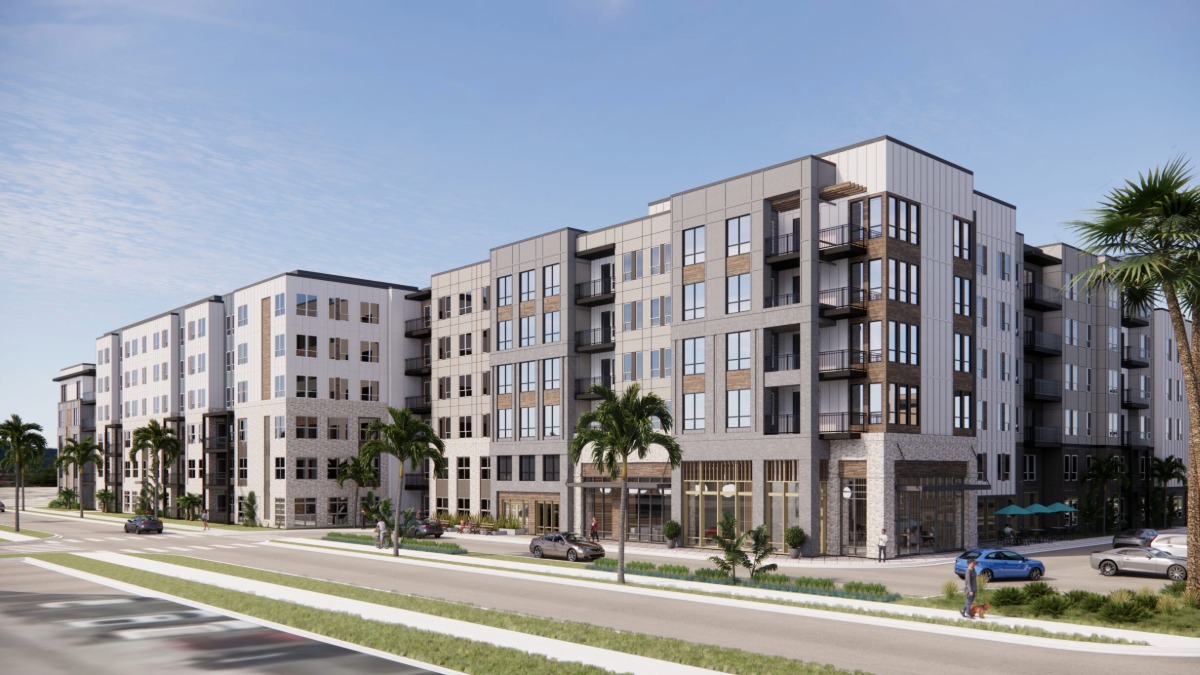
Landmark Properties has officially begun construction on The Mark Tampa, a six‑story luxury student community featuring over 800 beds, rooftop amenities, study spaces, retail, and modern unit layouts. Set to open before the 2027–2028 school year, the project signals strong investor confidence in North Tampa’s booming student housing market.
Florida’s property and auto insurance crisis is intensifying, setting the stage for a major political showdown ahead of the 2026 elections. Republicans argue recent reforms are finally stabilizing the market, while Democrats insist families are being crushed by soaring premiums and can’t wait for relief. With homeowners, condo associations, and insurers all feeling the pressure, lawmakers are preparing for one of the most consequential legislative battles in years.
Markets are betting heavily on a Federal Reserve rate cut in December, but that doesn’t guarantee lower mortgage rates. Even with an 85% chance of a cut priced in, mortgage rates move more with the 10‑year Treasury than the Fed itself — and recent history shows rates can rise even when the Fed eases. Today’s 6.43% average rate is the lowest in over a year, but still unpredictable, making financial readiness more important than trying to time the market.
Grand Junction is experiencing a powerful commercial real estate upswing, with 151 commercial units closed so far in 2025—a 36% jump from last year. Building permits are also up 23%, signaling expanding development momentum. Brokers say interest from national chains is accelerating the city’s evolution, bringing jobs, investment, and long‑term economic potential to Colorado’s Western Slope.
Nashville continues its rise as one of the nation’s most attractive real estate markets, landing the #6 spot in the Emerging Trends in Real Estate 2026 report from PwC and ULI. With strong demographic momentum, business expansion, and a development pipeline drawing national eyes, the city stands out amid shifting economic conditions. The report highlights fast‑growing sectors such as data centers, senior housing, and evolving office dynamics—offering real estate professionals valuable insight into where opportunities are emerging next.
Canada’s commercial real estate sector continues to evolve rapidly, with new data revealing major transactions, shifting investment patterns, and emerging economic signals across the country. From resilient retail spending to cooling construction and regional standouts like Montreal and the Prairies, this week’s CRE pulse—powered by Altus Group’s research team—gives real estate, mortgage, and finance professionals a sharp snapshot of the market forces to watch as 2025 winds down.