Lower Interest Rates Brighten South Florida’s Real Estate Outlook for 2026
South Florida’s real estate market is stepping confidently into 2026, energized by easing mortgage rates and a strong job market. Buyers, investors, and industry professionals are entering the year with renewed optimism and a clear sense that momentum may finally be shifting in their favor.
According to a detailed report from The Miami Times (via WLRN), the region sidestepped a sharp downturn in 2025 despite rising borrowing costs and condo‑related challenges. Now, with fresh signs of stabilization, the stage is set for a more balanced market where both buyers and sellers can thrive.
Looking Back: How Did 2025 Really Perform?
For single‑family homes, 2025 delivered an “acceptable” year—though in a market as dynamic as South Florida, “acceptable” often feels like underperformance. After years of accelerated price growth, a flattening year appeared unusual but far from harmful.
The condo sector, however, entered 2025 with unease. Prices softened, inventory grew, and many older buildings—especially those navigating post‑Surfside reforms—faced financial and structural pressure. But as mortgage rates began to ease, confidence and demand crept back into the market.
2026: A Market Turning Toward Momentum
What were headwinds just months ago are now transforming into tailwinds. Lower mortgage rates are unlocking two major benefits:
• Lower monthly payments for new buyers.
• Increased willingness for homeowners with low locked‑in rates to list and move.
Forecasts from the Miami Association of Realtors suggest 30‑year mortgage rates could fall to around 5.8% by late 2026, potentially saving buyers hundreds annually. This shift could spark a meaningful return of hesitant buyers.
Still, RedFin projects South Florida as one of the markets most likely to cool, particularly in condos, where sales activity is expected to slow.
What’s Holding Back the Condo Market?
In one word: regulation. The aftermath of the Surfside tragedy triggered sweeping reforms for condo buildings. While these reforms were softened in 2025, many associations still face substantial maintenance, reserve, and assessment costs—keeping fees high and some buyers wary.
Affordability: The Elephant in the Room
Even with falling mortgage rates, affordability remains the region’s core challenge. A Bankrate study found that fewer than 1 in 200 homes in Miami qualify as affordable based on median household income.
While wages continue rising—especially in fields like healthcare and professional services—they’re still struggling to catch up to property values.
Renters Face a Competitive Landscape
Relief is limited for renters as well. RentCafe once again ranked Miami the hottest rental market in the United States. Even with new apartment development, each vacant unit sees an average of 19 prospective renters competing for it.
Could Property Tax Reforms Change the Math?
Potential constitutional amendments may cap certain property taxes. While helpful for homeowners, these caps may push higher tax burdens onto apartment owners—who are likely to pass those costs directly to tenants.
Commercial Real Estate Remains Resilient
Miami’s commercial market stands strong compared to many other U.S. cities. TD Bank reports solid construction demand and below‑average vacancy rates. A thriving job market continues drawing companies to the area, filling retail, office, and industrial spaces.
What This Means for Real Estate Professionals
Whether you’re expanding your career or stepping into the industry for the first time, 2026 offers abundant opportunity. A shifting and increasingly nuanced market demands skilled, informed, and adaptable professionals.
For those looking to earn or upgrade a license in real estate, mortgage, insurance, or other professional fields, Florida’s trusted online educator—Cameron Academy—remains a leading destination to build expertise, stay competitive, and take advantage of the evolving landscape.
Original reporting courtesy of WLRN and The Miami Times. Read the full story at MiamiTimesOnline.com.
More Articles
Getting licensed or staying ahead in your career can be a journey—but it doesn’t have to be overwhelming. Grab your favorite coffee or tea, take a moment to relax, and browse through our articles. Whether you’re just starting out or renewing your expertise, we’ve got tips, insights, and advice to keep you moving forward. Here’s to your success—one sip and one step at a time!
Florida’s property insurance system is once again spiraling as new “market-friendly” reforms fail to stabilize rising premiums, insurer failures, and mounting homeowner frustration. Despite aggressive efforts to shift policyholders from Citizens to private carriers, many of the new insurers stepping in are tied to past insolvencies, questionable ratings, and political influence. For real estate, mortgage, and insurance professionals, these systemic cracks are reshaping closings, valuations, and risk across the state—making it essential to stay ahead of ongoing regulatory and market shifts.
Commercial real estate is heading into a turning‑point year in 2026, driven by economic uncertainty, AI‑powered transformation, shifting demographics and rising portfolio risk. Insights from The Counselors of Real Estate highlight the top issues shaping the year ahead—from fiscal pressures and capital constraints to housing shortages, global volatility and the future of data‑driven decision‑making. For real estate, mortgage, insurance and finance professionals, these trends offer a clear roadmap for staying competitive and preparing for the next wave of industry change.
AI-powered tools, fraud protection systems, and smarter MLS integrations are sweeping through the real estate industry as major organizations adopt new technologies. From RealReports hitting its 50th partnership to BeachesMLS unveiling instant AI home visualizations and Doorify boosting security, professionals are seeing rapid advancements that promise sharper insights, safer transactions, and more efficient rental workflows. This evolving tech landscape underscores the importance of staying educated and adaptable — especially for agents preparing for a competitive, AI-enhanced 2025 market.
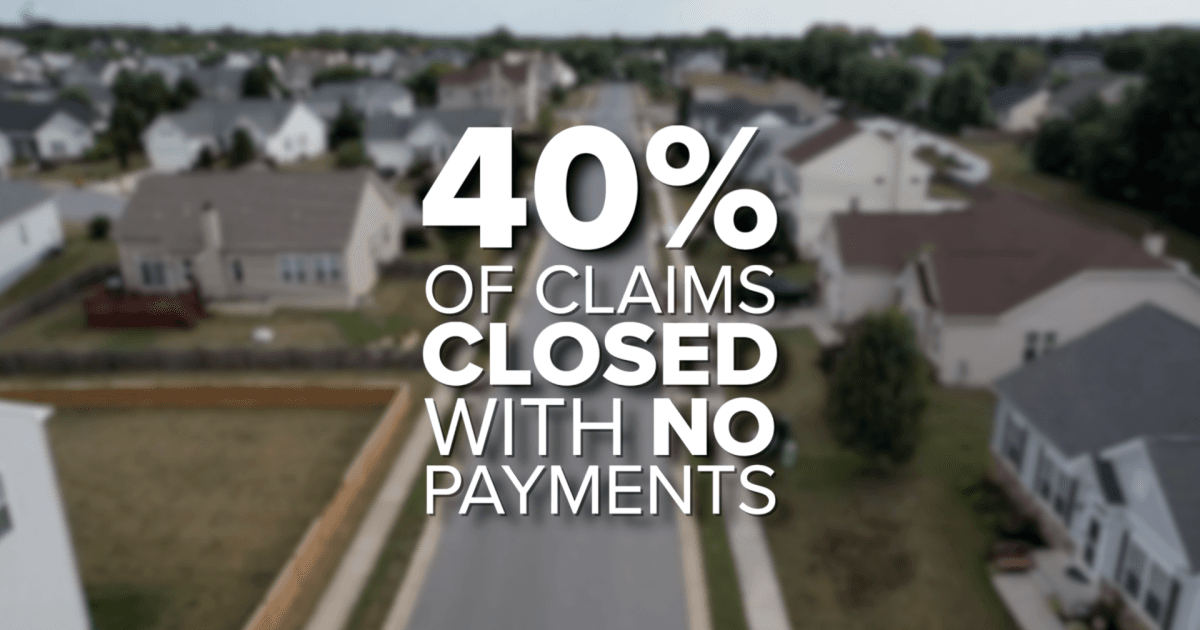
Florida homeowners are being hit with the highest insurance premiums in the nation, averaging $5,838 per year—nearly double the U.S. average. As costs skyrocket, many residents are reporting denied claims, non‑renewals, and impossible financial choices. New investigations reveal that more than 40 percent of claims in Florida close with no payment, while lawmakers push for transparency, fair pricing, and meaningful reform to stabilize a market that’s rapidly becoming unsustainable.
Vend Park, a Boston-based proptech company, has raised $17.5 million in Series A funding to reinvent parking as a high-performing commercial real estate asset. By replacing outdated operator–vendor systems with a unified AI-driven platform, Vend Park is helping major property owners boost NOI by up to 30%, slash operating costs, and modernize the tenant experience. As the company expands from three to fifteen cities and partners with giants like Nuveen and Jamestown, its technology highlights a major shift: real estate professionals must now understand AI, automation, and digital infrastructure to stay competitive.
Keller Williams Realty Atlanta Partners has formed an exclusive partnership with Southeast Mortgage, Georgia’s largest non‑bank mortgage lender. The collaboration promises faster, tech‑enhanced transactions for both agents and homebuyers, combining real estate expertise with streamlined mortgage services. This move reflects a growing trend toward integrated real‑estate ecosystems designed to reduce delays, boost transparency, and modernize the homebuying experience.