Lower Rates Could Spark a Commercial Real Estate Comeback in 2026
After several years of turbulence, the commercial real estate sector may finally be approaching calmer waters. According to market observers, 2026 could shape up to be a far more active year as lower interest rates and shifting investor sentiment begin to thaw a market that has remained cautious through 2024 and 2025.
But this optimism comes with a healthy dose of strategic caution. Experts warn that multifamily inventory is approaching saturation in many metros, industrial development is slowing after years of explosive growth, and softening employment conditions could weigh on absorption and business expansion.
A Market Searching for Its Next Gear
Commercial real estate professionals have been waiting for a clear economic signal, and declining interest rates may be the catalyst the industry needs. Lower borrowing costs typically unlock sidelined capital, making acquisitions, expansions, and refinancing far more attractive. For investors who have been patiently waiting, 2026 may finally offer an opportunity to reenter the market with confidence.
Market Insight: Investor sentiment often shifts rapidly when interest rates fall—sometimes before the broader economic effects appear. Early movers frequently aim to position themselves ahead of rising demand.
Multifamily Faces Saturation—and Strategy Shifts
The multifamily sector, once the uncontested star of commercial real estate, now shows signs of regional oversupply. This could pressure rent growth projections and spark a shift toward renovations, repositioning strategies, and specialized housing segments.
For professionals entering or advancing their real estate careers, understanding asset‑class cycles will become indispensable. Licensing institutions such as Cameron Academy continue to attract students nationwide who are eager to remain competitive in a rapidly shifting market environment.
Industrial Development Slows, but Demand Remains
After years of intense construction driven by e‑commerce and logistics demands, industrial development is finally easing. But this is not necessarily negative—it may help restore balance after a prolonged period of aggressive expansion.
With organizations reassessing supply chain strategies and footprint efficiency, 2026 may bring more selective, strategically located industrial projects rather than broad-scale buildouts.
Employment Conditions Add a Layer of Uncertainty
Weakening employment conditions could introduce a new set of risks. Commercial tenants often tailor their expansion plans around workforce needs. A soft job market may result in reduced office absorption, slower retail opening strategies, and more cautious long‑term commitments.
Professional Tip: Staying educated on employment trends is just as critical as tracking interest rates. Early signs of market shifts often emerge from subtle hiring changes.
What This Means for Professionals in 2026
No matter your field—real estate, mortgage, insurance, healthcare, or finance—the anticipated rate relief could open new doors. Those who stay licensed, informed, and adaptable will be best positioned to thrive. Cameron Academy proudly supports professionals nationwide with top‑tier licensing and continuing education programs designed to keep you sharp as industries evolve.
Getting licensed or staying ahead in your career can be a journey—but it doesn’t have to be overwhelming. Grab your favorite coffee or tea, take a moment to relax, and browse through our articles. Whether you’re just starting out or renewing your expertise, we’ve got tips, insights, and advice to keep you moving forward. Here’s to your success—one sip and one step at a time!
A new CNBC Fed Survey reveals that economists expect just two additional interest rate cuts in 2026 and none in 2027, even if President Donald Trump appoints a more dovish Federal Reserve chair. Strong economic growth, stable inflation, and reduced recession fears are keeping rate‑cut expectations limited, signaling a more stable long‑term environment for real estate, mortgage, and financial professionals.
A nationwide insurance crisis is accelerating as climate‑driven disasters push premiums higher, force insurers out of multiple states, and reshape real estate and mortgage markets. Once limited to Florida and California, the instability now threatens 15 states where losses, extreme weather, and insurer withdrawals are creating mounting risks for homeowners and industry professionals alike.
Commercial real estate is entering 2026 with a cautious but strategic shift. Companies are ditching oversized offices in favor of smaller, higher‑quality spaces packed with amenities that attract today’s workforce. Downtown markets like Portland remain steady, while suburban vacancies rise and landlords get creative with incentives. Industrial real estate is cooling after years of explosive growth, and developers are hesitating—though multifamily and hotel projects continue to push forward. Overall, the theme of the year is patience, as businesses wait for clearer signals on interest rates, construction costs, and long‑term workplace trends.
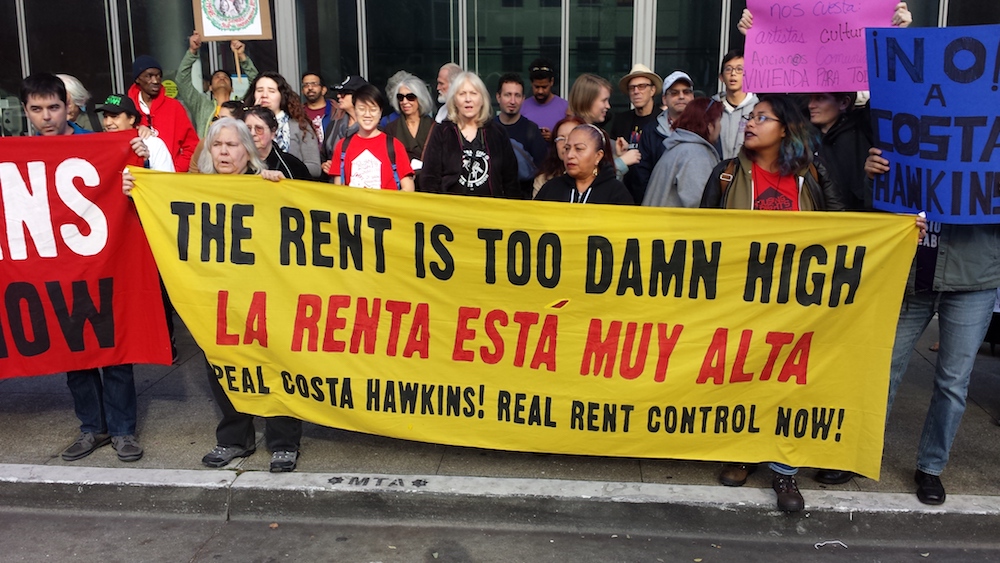
A new study from leading urban scholars reveals that zoning laws and construction slowdowns aren’t the true cause of America’s housing crisis. Even with massive building booms, rents would barely drop for decades. The real culprit? Soaring economic inequality. Until the widening wealth gap is addressed, policies like upzoning and deregulation won’t make housing affordable for working Americans—and may even push prices higher.
Cambio, a fast‑growing AI proptech company, has secured an $18 million Series A at a $100 million valuation, aiming to overhaul how commercial real estate firms process documents and make investment decisions. By converting messy PDFs, spreadsheets, and audit files into investor‑ready insights in minutes, the platform is rapidly expanding—now active in 35 countries and managing data for over 2 billion square feet of assets.
Florida’s insurance market is finally showing signs of real recovery heading into 2026. Industry leaders say recent legal reforms have sharply reduced lawsuits, allowing insurers to stabilize rates — and even introduce reductions for the first time in years. With new companies entering the state and solvency at its strongest level in more than a decade, real estate and mortgage professionals may benefit from improved buyer confidence and smoother closings as insurance becomes more predictable again.