Lower Rates Could Spark a Commercial Real Estate Comeback in 2026
After several years of turbulence, the commercial real estate sector may finally be approaching calmer waters. According to market observers, 2026 could shape up to be a far more active year as lower interest rates and shifting investor sentiment begin to thaw a market that has remained cautious through 2024 and 2025.
But this optimism comes with a healthy dose of strategic caution. Experts warn that multifamily inventory is approaching saturation in many metros, industrial development is slowing after years of explosive growth, and softening employment conditions could weigh on absorption and business expansion.
A Market Searching for Its Next Gear
Commercial real estate professionals have been waiting for a clear economic signal, and declining interest rates may be the catalyst the industry needs. Lower borrowing costs typically unlock sidelined capital, making acquisitions, expansions, and refinancing far more attractive. For investors who have been patiently waiting, 2026 may finally offer an opportunity to reenter the market with confidence.
Market Insight: Investor sentiment often shifts rapidly when interest rates fall—sometimes before the broader economic effects appear. Early movers frequently aim to position themselves ahead of rising demand.
Multifamily Faces Saturation—and Strategy Shifts
The multifamily sector, once the uncontested star of commercial real estate, now shows signs of regional oversupply. This could pressure rent growth projections and spark a shift toward renovations, repositioning strategies, and specialized housing segments.
For professionals entering or advancing their real estate careers, understanding asset‑class cycles will become indispensable. Licensing institutions such as Cameron Academy continue to attract students nationwide who are eager to remain competitive in a rapidly shifting market environment.
Industrial Development Slows, but Demand Remains
After years of intense construction driven by e‑commerce and logistics demands, industrial development is finally easing. But this is not necessarily negative—it may help restore balance after a prolonged period of aggressive expansion.
With organizations reassessing supply chain strategies and footprint efficiency, 2026 may bring more selective, strategically located industrial projects rather than broad-scale buildouts.
Employment Conditions Add a Layer of Uncertainty
Weakening employment conditions could introduce a new set of risks. Commercial tenants often tailor their expansion plans around workforce needs. A soft job market may result in reduced office absorption, slower retail opening strategies, and more cautious long‑term commitments.
Professional Tip: Staying educated on employment trends is just as critical as tracking interest rates. Early signs of market shifts often emerge from subtle hiring changes.
What This Means for Professionals in 2026
No matter your field—real estate, mortgage, insurance, healthcare, or finance—the anticipated rate relief could open new doors. Those who stay licensed, informed, and adaptable will be best positioned to thrive. Cameron Academy proudly supports professionals nationwide with top‑tier licensing and continuing education programs designed to keep you sharp as industries evolve.
Getting licensed or staying ahead in your career can be a journey—but it doesn’t have to be overwhelming. Grab your favorite coffee or tea, take a moment to relax, and browse through our articles. Whether you’re just starting out or renewing your expertise, we’ve got tips, insights, and advice to keep you moving forward. Here’s to your success—one sip and one step at a time!
A federal judge has denied class‑certification in the high‑stakes Batton commission lawsuit, delivering a temporary win for NAR and major brokerages while leaving the door open for plaintiffs to try again. With as much as $3.6 billion in potential damages on the line and nearly 80% of the proposed class now disqualified due to conflicts with earlier settlements, the case stands at a pivotal moment. Real estate professionals nationwide — especially in Florida — should watch closely, as the ruling could shape the future of buyer‑agent compensation.
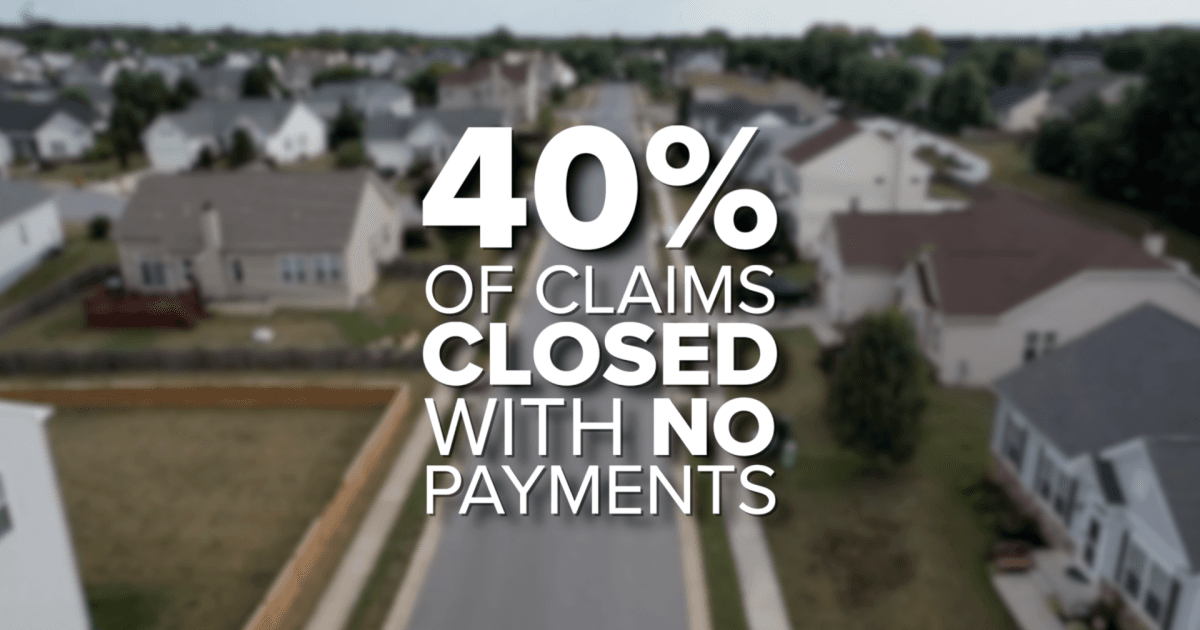
Florida homeowners are paying nearly double the national average for insurance, with premiums now reaching $5,838 a year and denied claims topping 40 percent. Residents report tripled rates, underpaid claims, and mounting financial strain, pushing lawmakers in Tallahassee to propose caps on rate hikes, tax breaks for storm‑proof upgrades, and tighter oversight of insurers. These developments are reshaping real estate and insurance conversations across the state as professionals brace for major industry shifts.
Berkshire County closed Q3 2025 with strong momentum as sales, dollar volume, and buyer competition all climbed year‑over‑year. Inventory showed slight improvement but remains far below demand, keeping the market tilted toward sellers. Single‑family homes and condos led the surge, while multifamily, land, and commercial sectors showed mixed performance. The region continues to stand out as one of New England’s most resilient real estate markets heading into 2026.
Florida homeowners now face the highest insurance burdens in the nation, with average premiums topping $5,800 per year—roughly $3,000 above the national average. As rates triple for some residents, more Floridians are skipping coverage altogether, while denied claims and slow payouts add to the frustration. With over 40 percent of claims closing with no payment and lawmakers battling over reform in Tallahassee, the crisis is reshaping budgets, homebuying decisions, and the real estate industry statewide.
Global capital is surging back into real estate—and this time, investors want more control. Colliers’ 2026 Global Investor Outlook reveals a major shift toward direct investments, joint ventures, and hands‑on strategies as money moves across North America, Europe, and the booming Asia‑Pacific markets. Data centers are now the top‑funded asset class, offices are staging a comeback, and adaptive reuse is reshaping cities worldwide. For real estate and finance professionals, the message is clear: opportunity is accelerating, and those with the right education and licensing will be at the center of the action.
The Fed’s recent rate cuts should have offered relief to commercial real estate—but long-term borrowing costs haven’t budged. While short‑term rates are falling, stubborn long‑term yields, broken deal math, and a trillion‑dollar refinancing wave are keeping the market frozen. For investors and professionals across Florida and the nation, understanding this disconnect is key to navigating the opportunities and risks emerging in today’s shifting CRE landscape.