In a world where traditional finance is not just adopting crypto but being fundamentally rebuilt around it, Forbes reports on the seismic shifts reshaping the financial landscape. Major financial institutions are not only embracing blockchain technology but are actively integrating it into their core operations, heralding a new era of financial innovation.
Blockchain Integration in Banking
JPMorgan has taken a pioneering step by launching instant dollar-euro conversions on its Kinexys blockchain platform. This move is part of a broader trend where transaction volumes have surged tenfold, processing over $2 billion daily. Meanwhile, Visa’s Tokenized Asset Platform is enabling banks like BBVA to create and manage digital tokens, with pilot programs slated to commence in 2025.
Advancements in TokenizationTokenization is emerging as a transformative force, bridging traditional finance with the decentralized world. Industry projections suggest that the market for tokenized real-world assets could expand dramatically, potentially reaching $10-15 trillion within the next decade. Goldman Sachs is at the forefront with the launch of three new tokenization products, focusing on money market funds and real estate assets.
AI and Blockchain Collaboration
The collaboration between AI and blockchain is forging a new digital frontier. As artificial intelligence decodes complex data patterns, blockchain anchors these insights in an immutable ledger. This synergy is transforming raw information into verifiable, tamper-proof intelligence, rewriting the rules of data integrity.
VeraViews exemplifies this innovation by integrating blockchain-based Proof of View technology with AI-driven fraud detection, showcasing how emerging technologies can tackle industry-wide challenges.
The Rise of DeFi and StablecoinsDeFi represents blockchain’s most radical innovation yet—a financial system that operates purely on code. By replacing traditional intermediaries with automated smart contracts, DeFi enables complex financial operations to occur in seconds. Stablecoins, maintaining stable value through fiat currency pegs, serve as the critical bridge between DeFi and traditional finance, accelerating mainstream adoption.
Cross-Border Payments and Technology InnovationBlockchain is revolutionizing cross-border payments, creating new pathways that bypass traditional banking systems. The combination of blockchain networks and stablecoins is transforming the global remittance market, estimated at $630 billion in 2022, by enabling faster and cheaper transfers.
To support these transactions, robust exchange infrastructures like BestChange are emerging, providing cryptocurrency exchanger directories that aggregate real-time rate comparisons, contributing to market efficiency and accessibility.
The Path Forward: Regulation and Growth
The regulatory environment has matured significantly, with comprehensive frameworks balancing innovation with consumer protection. This clarity is crucial for institutional adoption, providing the certainty needed for larger financial institutions to invest in blockchain-based solutions.
A New Era of Finance
As traditional finance integrates digital innovations, it is actively building the future of finance. Those who recognize this shift are not just adapting to change but are positioning themselves to shape how value moves in a digital economy.
More Articles
Getting licensed or staying ahead in your career can be a journey—but it doesn’t have to be overwhelming. Grab your favorite coffee or tea, take a moment to relax, and browse through our articles. Whether you’re just starting out or renewing your expertise, we’ve got tips, insights, and advice to keep you moving forward. Here’s to your success—one sip and one step at a time!
In Florida, the earnings of a real estate agent can vary significantly based on numerous factors including experience, location, and the current state of the housing market. The potential earnings are quite broad, with average salaries ranging from $40,000 to $90,000 per year. However, top-performing agents in high-demand areas can earn well above this range, sometimes exceeding $100,000 annually.
Screening prospective tenants who utilize Section 8 vouchers in Florida requires a thorough understanding of both federal and local laws to ensure compliance and avoid potential legal issues.
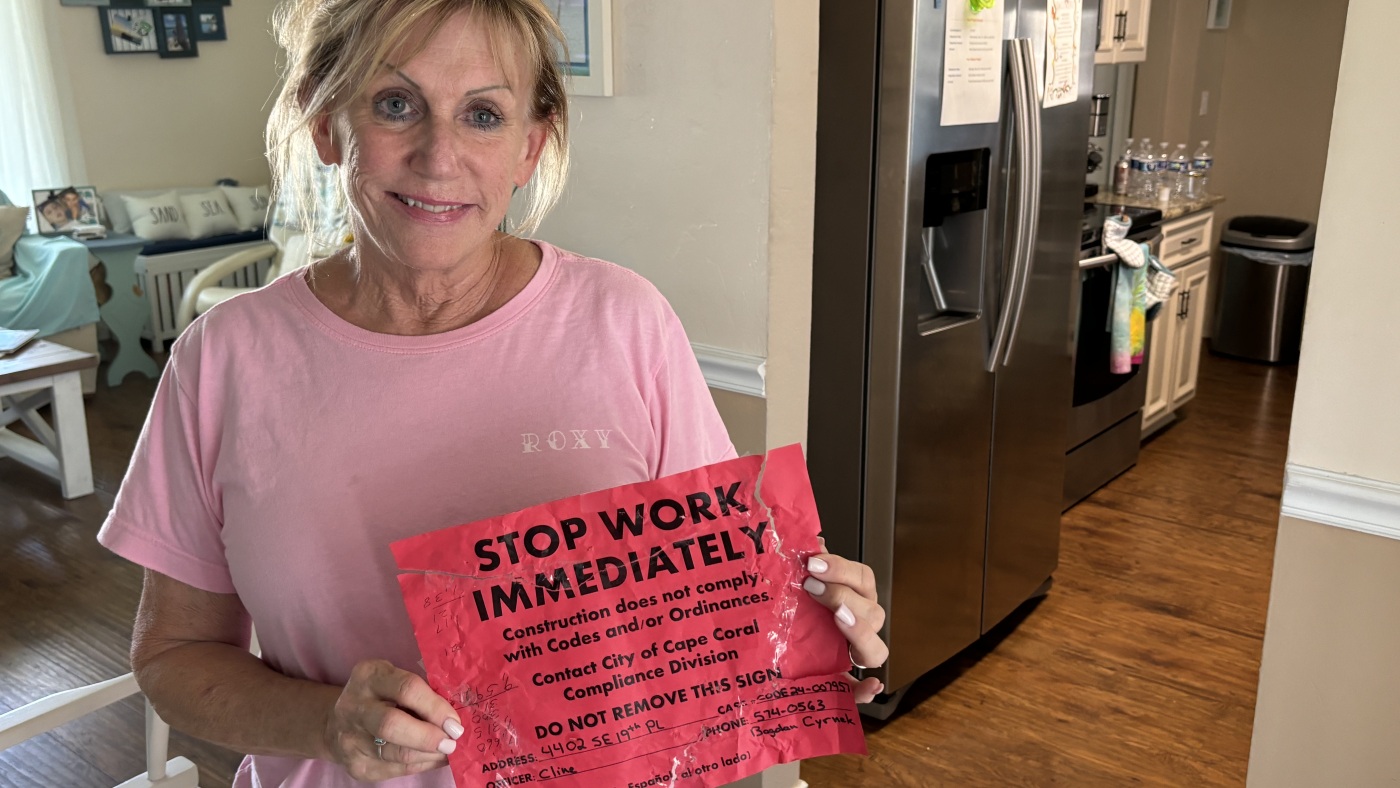
A study by First Street reveals Cape Coral has more properties at risk of flooding than any other city in Florida. Following Hurricane Ian, FEMA withdrew the city's flood insurance discount, blaming improper rebuilding practices.
Goldman Sachs Research has projected a notable increase in US home prices, forecasting a 4.5% rise this year and a 4.4% increase in 2025, as the Federal Reserve is expected to implement interest rate cuts.
In the realm of real estate, myths and misconceptions about Section 8 tenants often cloud the judgment of landlords. These stereotypes suggest that Section 8 tenants might damage property or fail to pay rent. However, these risks are inherent in renting to any tenant, not just those participating in the Section 8 program. The key to mitigating these risks lies in a robust and consistent screening process.