In a world where traditional finance is not just adopting crypto but being fundamentally rebuilt around it, Forbes reports on the seismic shifts reshaping the financial landscape. Major financial institutions are not only embracing blockchain technology but are actively integrating it into their core operations, heralding a new era of financial innovation.
Blockchain Integration in Banking
JPMorgan has taken a pioneering step by launching instant dollar-euro conversions on its Kinexys blockchain platform. This move is part of a broader trend where transaction volumes have surged tenfold, processing over $2 billion daily. Meanwhile, Visa’s Tokenized Asset Platform is enabling banks like BBVA to create and manage digital tokens, with pilot programs slated to commence in 2025.
Advancements in TokenizationTokenization is emerging as a transformative force, bridging traditional finance with the decentralized world. Industry projections suggest that the market for tokenized real-world assets could expand dramatically, potentially reaching $10-15 trillion within the next decade. Goldman Sachs is at the forefront with the launch of three new tokenization products, focusing on money market funds and real estate assets.
AI and Blockchain Collaboration
The collaboration between AI and blockchain is forging a new digital frontier. As artificial intelligence decodes complex data patterns, blockchain anchors these insights in an immutable ledger. This synergy is transforming raw information into verifiable, tamper-proof intelligence, rewriting the rules of data integrity.
VeraViews exemplifies this innovation by integrating blockchain-based Proof of View technology with AI-driven fraud detection, showcasing how emerging technologies can tackle industry-wide challenges.
The Rise of DeFi and StablecoinsDeFi represents blockchain’s most radical innovation yet—a financial system that operates purely on code. By replacing traditional intermediaries with automated smart contracts, DeFi enables complex financial operations to occur in seconds. Stablecoins, maintaining stable value through fiat currency pegs, serve as the critical bridge between DeFi and traditional finance, accelerating mainstream adoption.
Cross-Border Payments and Technology InnovationBlockchain is revolutionizing cross-border payments, creating new pathways that bypass traditional banking systems. The combination of blockchain networks and stablecoins is transforming the global remittance market, estimated at $630 billion in 2022, by enabling faster and cheaper transfers.
To support these transactions, robust exchange infrastructures like BestChange are emerging, providing cryptocurrency exchanger directories that aggregate real-time rate comparisons, contributing to market efficiency and accessibility.
The Path Forward: Regulation and Growth
The regulatory environment has matured significantly, with comprehensive frameworks balancing innovation with consumer protection. This clarity is crucial for institutional adoption, providing the certainty needed for larger financial institutions to invest in blockchain-based solutions.
A New Era of Finance
As traditional finance integrates digital innovations, it is actively building the future of finance. Those who recognize this shift are not just adapting to change but are positioning themselves to shape how value moves in a digital economy.
More Articles
Getting licensed or staying ahead in your career can be a journey—but it doesn’t have to be overwhelming. Grab your favorite coffee or tea, take a moment to relax, and browse through our articles. Whether you’re just starting out or renewing your expertise, we’ve got tips, insights, and advice to keep you moving forward. Here’s to your success—one sip and one step at a time!
The title insurance industry is entering 2026 with a renewed focus on technology, operational efficiency, and stronger agent support after years of volatility. Leaders from major underwriters report rising transaction activity, improved affordability, and a surge in automation and fraud‑prevention tools—signs that smarter systems and better training will define the next wave of growth.
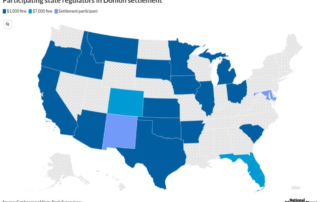
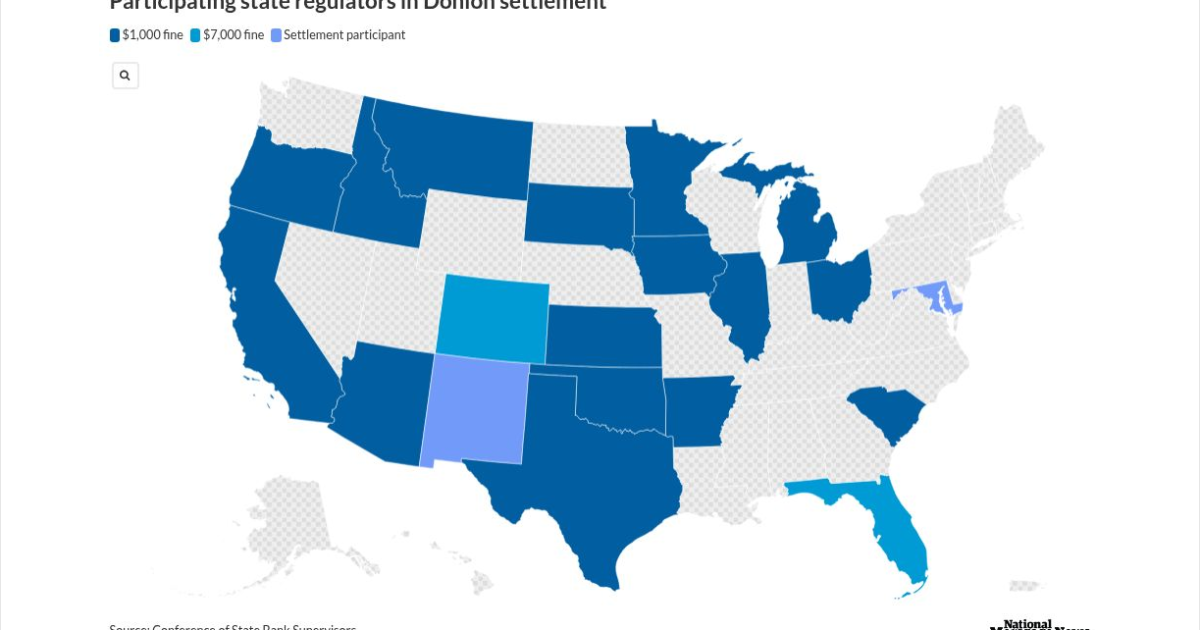
A multistate crackdown has sent shockwaves through the mortgage industry as Patrick Terrance Donlon, CEO of Trusted American Mortgage, accepted a sweeping settlement that bans him from working as a mortgage loan originator in 21 states—19 of them permanently. Regulators say Donlon had another individual complete his mandatory licensing and continuing‑education courses, a violation that triggered a coordinated investigation and a $31,000 penalty. The case underscores regulators’ growing intolerance for education fraud and serves as a sharp reminder to industry professionals: cutting corners on licensing can end careers.
Florida’s once‑booming housing market is cooling fast as rising insurance premiums, increasing foreclosures, and expanding flood zones push buyers to back out of deals and force sellers to cut prices. With insurance now adding thousands to annual housing costs, professionals across real estate, mortgage, and insurance are navigating a dramatically shifting landscape that’s redefining affordability in the Sunshine State.
Florida begins 2026 with a wave of more than 250 new laws now in effect, impacting healthcare, insurance, real estate, and consumer protections statewide. From free breast cancer screenings for state employees to tighter pet insurance regulations, mandatory healthcare refund rules, enhanced animal‑cruelty penalties, and new condo‑management requirements, these updates carry major implications for professionals navigating Florida’s evolving regulatory landscape.
Florida’s barrier islands may offer postcard-perfect beaches and soaring real estate demand, but they’re also some of the most fragile and costly places to build in the United States. With 765,000 residents living on land that shifts, sinks, and takes the brunt of every major hurricane, the financial and insurance risks are accelerating fast. From billion‑dollar beach rebuilds to towers settling into the sand, today’s coastal development challenges are reshaping conversations around property values, disclosure, and long‑term resilience. For real estate professionals, understanding these risks isn’t just smart — it’s becoming essential.
A Cedar City development is turning heads with its fresh approach to affordability. The team behind Temple View Commons is delivering luxury‑inspired twin homes at prices below the local median by using a small, hands‑on staff and cutting traditional costs like realtor commissions. In a tight Utah housing market where inventory is scarce and prices remain high, their strategy offers a realistic path to homeownership without sacrificing high‑end finishes.


 Title Insurance Leaders Double Down on Tech and Efficiency to Drive 2026 Market Momentum Gallery