Malware Trends in 2025: What Professionals Need to Know in a Rapidly Evolving Cyber Landscape
Cybersecurity digital malware image

The digital underground is no longer a chaotic swarm of hackers working independently in dark corners of the internet. In 2025, cybercrime has matured into a highly organized service‑based economy — one that mirrors the structure and professionalism of legitimate tech companies.

Bitsight’s in‑depth analysis of current malware trends reveals a world where cyberthreats are increasingly automated, scalable, and shockingly easy to purchase. Yes — you can now subscribe to malware the same way you subscribe to Netflix.

The Rise of Malware-as-a-Service (MaaS)

One of the most significant findings from Bitsight’s report is the explosive growth of Malware‑as‑a‑Service platforms. These systems offer ready‑to‑deploy malware kits that anyone can rent, eliminating the need for technical expertise. Popular names like Lumma, Katana, Acreed, and Vidar are circulating widely across underground marketplaces.

For professionals across industries — from finance to healthcare to real estate — the takeaway is simple: attacks are becoming easier for criminals to launch and harder for organizations to defend against.

Which Industries Are Being Targeted Most?

Bitsight’s telemetry shows that certain industries are drawing persistent attention from cybercriminals. Some of these targets might surprise you — and some align directly with fields served by Cameron Academy’s nationwide licensing programs.

Healthcare

Healthcare remains the most targeted sector with an astounding 93% of U.S. providers reporting at least one cyber incident in the past year. Average breach cost: over $10 million per event.

Technology

Nearly half of all third‑party breaches observed in 2025 involved tech products or services. Supply chain vulnerabilities have become weapon of choice for attackers.

Finance

The financial sector saw a 47% increase in attacks. Credential theft remains the top tactic, making identity security more important than ever.

Education

Universities face ongoing attacks due to decentralized systems and limited security budgets. Underground forums routinely advertise access to campus networks.

Cybercriminals are also increasingly using legitimate platforms like Discord and cloud services for command‑and‑control operations, making detection more challenging for organizations of any size.

Why This Matters for Today’s Professionals

Whether you work in real estate, insurance, mortgage, finance, healthcare, technology, or any licensed profession, cyber threats affect your daily work more than ever. Sensitive documents, contracts, financial data, customer records — they are all prime targets in a cybercrime market that grows more sophisticated each month.

For real estate professionals in particular, digital closings, online signatures, wire transfers, and cloud‑based transaction platforms introduce new vulnerabilities. A single compromised email can trigger a fraudulent wire transfer or data breach.

At Cameron Academy, we consistently emphasize the importance of cybersecurity awareness across all professional fields we serve. Whether you are renewing a license or starting a new career path, understanding today’s digital risks is an essential part of protecting both your clients and your livelihood.

The Road Ahead: A More Dangerous Digital Underground

Bitsight’s 2025 outlook highlights a cybercrime ecosystem that shows no sign of slowing. The availability of subscription‑based attack tools, cross‑platform malware written in Rust and Go, and the exploitation of legitimate communications channels all point toward a more challenging threat landscape.

The message is clear: businesses must strengthen their identity security, increase third‑party risk management efforts, and improve patch hygiene. Professional vigilance is no longer optional — it’s mandatory.

If you’d like to explore the full, detailed research, visit the original analysis from Bitsight here:

Read the full Bitsight 2025 Malware Trends Report

More Articles

Getting licensed or staying ahead in your career can be a journey—but it doesn’t have to be overwhelming. Grab your favorite coffee or tea, take a moment to relax, and browse through our articles. Whether you’re just starting out or renewing your expertise, we’ve got tips, insights, and advice to keep you moving forward. Here’s to your success—one sip and one step at a time!

How AI Is Quietly Transforming the Modern Real Estate Agent’s Daily Workflow

Artificial intelligence has shifted from futuristic idea to everyday assistant for real estate professionals. Instead of replacing agents, AI now enhances their workflows—automating repetitive tasks, improving communication, strengthening branding, and turning complex market data into clear insights. From smarter CRMs to AI-powered marketing tools, today’s agents can focus more on relationships and client service while technology handles the busywork behind the scenes.

Florida Lawmakers Target Insurer Profit‑Shifting in New Bill Aimed at Stabilizing Homeowners Insurance

A Florida House committee is advancing a bill that would crack down on insurers shifting profits to affiliated companies — a practice highlighted by recent investigative reporting. With premiums soaring and options shrinking, the proposed oversight could reshape the state’s insurance landscape and create ripple effects across the real estate market, impacting buyers, agents, and investors statewide.

Tangent Proptech Celebrates 100 Episodes With Airbnb’s Vision for the Future of Flexible Living

Proptech podcast *Tangent* marks its 100th episode with an inside look at Airbnb’s evolving role in multifamily housing. Featuring Airbnb Real Estate Marketing Leader Eliza Lochner, the episode explores the rapid growth of Airbnb‑friendly apartments, the rise of flexible‑living models, and why renters and property owners are increasingly embracing hosting as a way to balance affordability, transparency, and control. For today’s real estate professionals—especially in fast‑changing markets like Florida—the conversation highlights major shifts in tenant expectations, property management strategies, and the intersection of technology, hospitality, and residential development.

Florida Homeowners Hit Breaking Point as Insurance Premiums Top $14,000

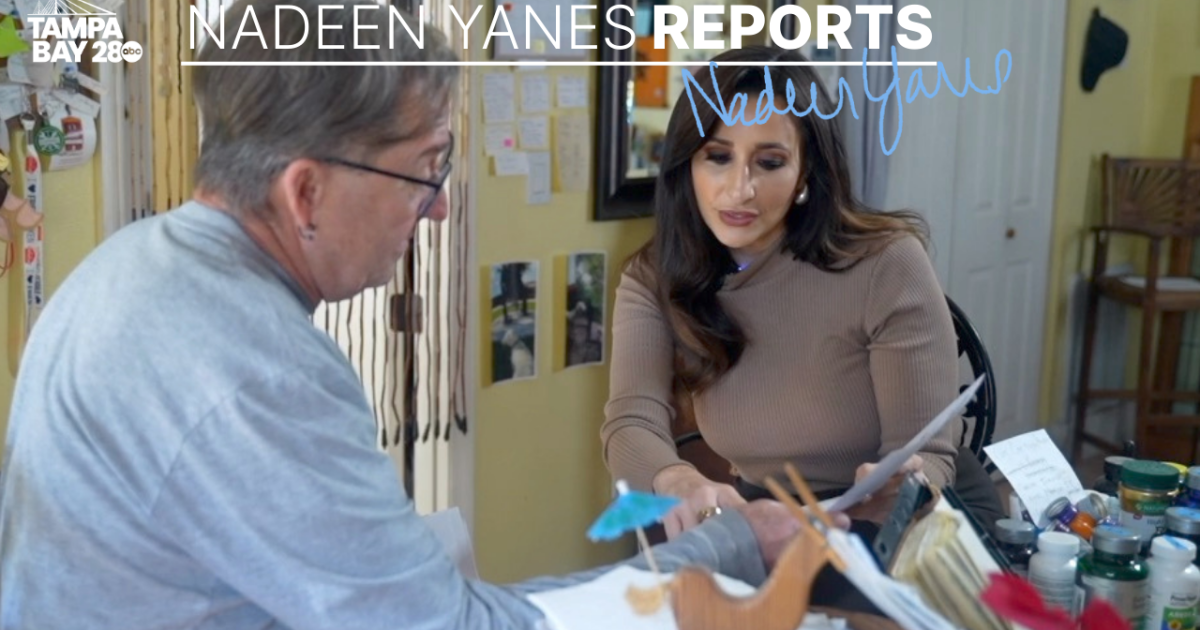
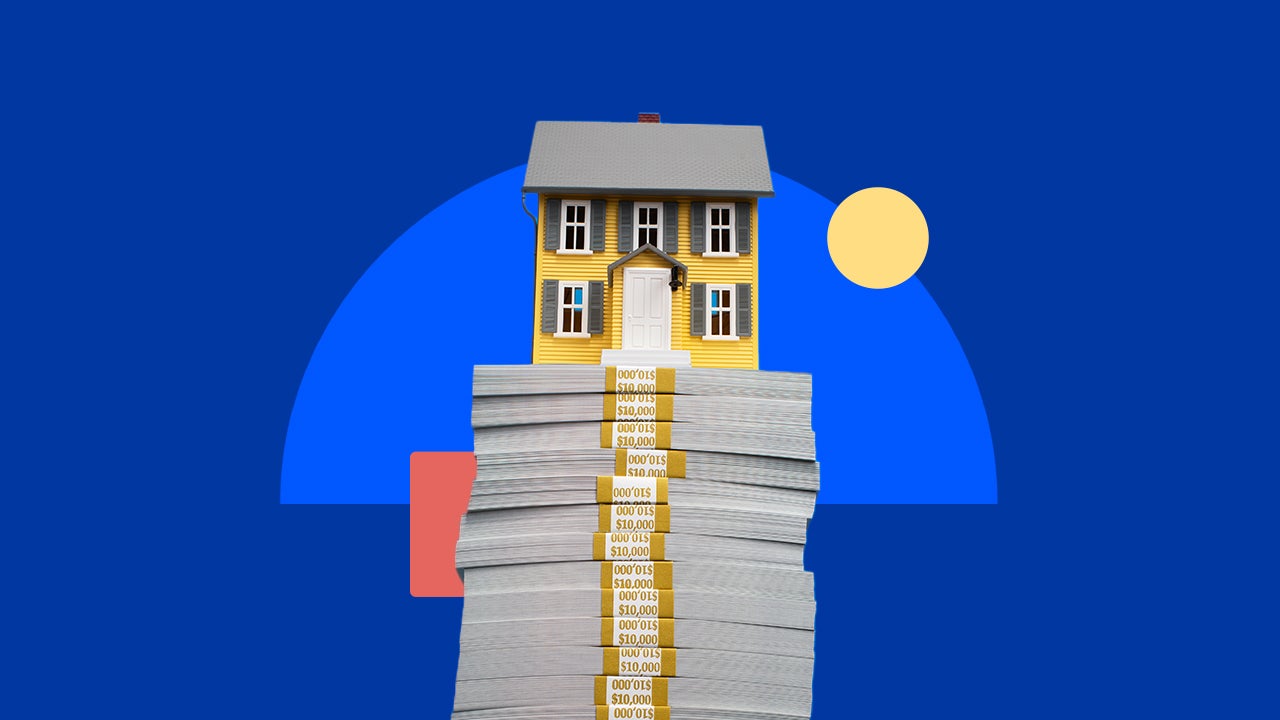
A Tampa Heights homeowner has joined the growing wave of Floridians dropping property insurance altogether after his 2026 renewal skyrocketed to $14,523. With up to 20% of residents now going bare, experts warn that soaring rates, shrinking coverage options, and post‑storm losses are pushing many to take risky measures — even as alternatives like liability‑only plans, dropped wind coverage, or home‑hardening upgrades may offer relief.

How New ERAS “Scholarly Works” Rules Could Reshape the Future of Medical Residency Applications

A major ERAS overhaul is coming in 2027, replacing the familiar “publications” field with a more rigorous category called “scholarly works.” Only peer‑reviewed submissions—such as manuscripts, abstracts, book chapters, and presentations—will qualify, shifting greater emphasis toward high‑quality research. While the change aims to give residency directors clearer insight into applicants’ academic contributions, many students worry that advocacy and policy work may lose visibility. As programs lean more heavily on research output in a post–Step 1 pass/fail era, future applicants will need to showcase not just what they’ve produced, but the depth and meaning behind it.

Mortgage Rates Rebound: What Professionals Need to Know in 2026

Mortgage rates have ticked back up to 6.25% after a brief dip, signaling a return to stability in the housing market. With rising inventory, moderating prices, and forecasts calling for steady rates through 2026, real estate and finance professionals can expect a more predictable environment ahead. This shift opens the door to smoother transactions, improved buyer confidence, and stronger opportunities for career growth across mortgage, real estate, insurance, and related fields.