Malware Trends in 2025: What Professionals Need to Know in a Rapidly Evolving Cyber Landscape
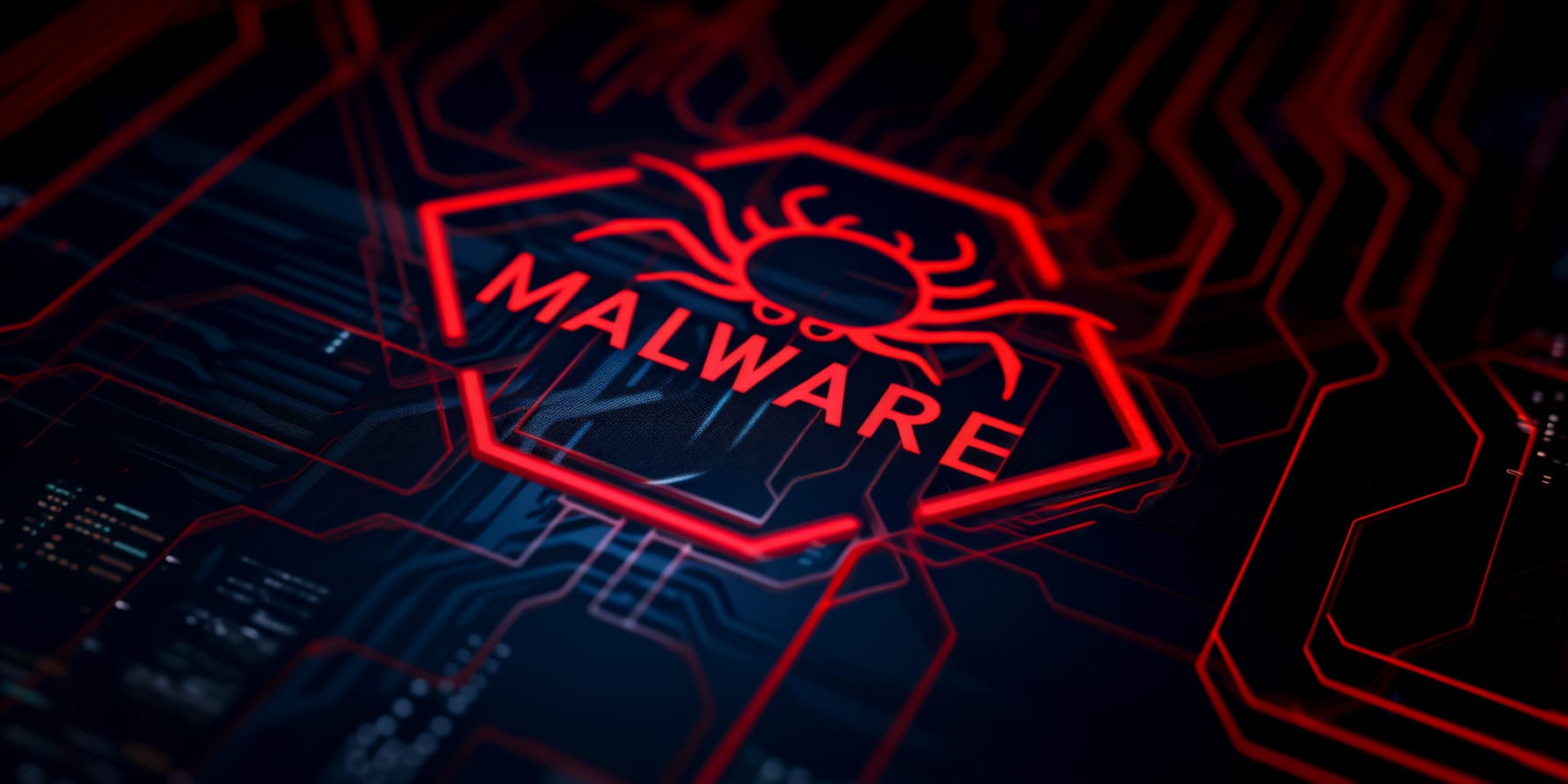
Cybersecurity digital malware image

The digital underground is no longer a chaotic swarm of hackers working independently in dark corners of the internet. In 2025, cybercrime has matured into a highly organized service‑based economy — one that mirrors the structure and professionalism of legitimate tech companies.

Bitsight’s in‑depth analysis of current malware trends reveals a world where cyberthreats are increasingly automated, scalable, and shockingly easy to purchase. Yes — you can now subscribe to malware the same way you subscribe to Netflix.

The Rise of Malware-as-a-Service (MaaS)

One of the most significant findings from Bitsight’s report is the explosive growth of Malware‑as‑a‑Service platforms. These systems offer ready‑to‑deploy malware kits that anyone can rent, eliminating the need for technical expertise. Popular names like Lumma, Katana, Acreed, and Vidar are circulating widely across underground marketplaces.

For professionals across industries — from finance to healthcare to real estate — the takeaway is simple: attacks are becoming easier for criminals to launch and harder for organizations to defend against.

Which Industries Are Being Targeted Most?

Bitsight’s telemetry shows that certain industries are drawing persistent attention from cybercriminals. Some of these targets might surprise you — and some align directly with fields served by Cameron Academy’s nationwide licensing programs.

Healthcare

Healthcare remains the most targeted sector with an astounding 93% of U.S. providers reporting at least one cyber incident in the past year. Average breach cost: over $10 million per event.

Technology

Nearly half of all third‑party breaches observed in 2025 involved tech products or services. Supply chain vulnerabilities have become weapon of choice for attackers.

Finance

The financial sector saw a 47% increase in attacks. Credential theft remains the top tactic, making identity security more important than ever.

Education

Universities face ongoing attacks due to decentralized systems and limited security budgets. Underground forums routinely advertise access to campus networks.

Cybercriminals are also increasingly using legitimate platforms like Discord and cloud services for command‑and‑control operations, making detection more challenging for organizations of any size.

Why This Matters for Today’s Professionals

Whether you work in real estate, insurance, mortgage, finance, healthcare, technology, or any licensed profession, cyber threats affect your daily work more than ever. Sensitive documents, contracts, financial data, customer records — they are all prime targets in a cybercrime market that grows more sophisticated each month.

For real estate professionals in particular, digital closings, online signatures, wire transfers, and cloud‑based transaction platforms introduce new vulnerabilities. A single compromised email can trigger a fraudulent wire transfer or data breach.

At Cameron Academy, we consistently emphasize the importance of cybersecurity awareness across all professional fields we serve. Whether you are renewing a license or starting a new career path, understanding today’s digital risks is an essential part of protecting both your clients and your livelihood.

The Road Ahead: A More Dangerous Digital Underground

Bitsight’s 2025 outlook highlights a cybercrime ecosystem that shows no sign of slowing. The availability of subscription‑based attack tools, cross‑platform malware written in Rust and Go, and the exploitation of legitimate communications channels all point toward a more challenging threat landscape.

The message is clear: businesses must strengthen their identity security, increase third‑party risk management efforts, and improve patch hygiene. Professional vigilance is no longer optional — it’s mandatory.

If you’d like to explore the full, detailed research, visit the original analysis from Bitsight here:

Read the full Bitsight 2025 Malware Trends Report

More Articles

Getting licensed or staying ahead in your career can be a journey—but it doesn’t have to be overwhelming. Grab your favorite coffee or tea, take a moment to relax, and browse through our articles. Whether you’re just starting out or renewing your expertise, we’ve got tips, insights, and advice to keep you moving forward. Here’s to your success—one sip and one step at a time!

Commercial Real Estate 2026: A Stabilizing Market Finally Finds Its Rhythm

After a turbulent 2025 marked by stalled construction, tight capital, and economic uncertainty, commercial real estate is finally entering a period of stabilization and early recovery. Analysts across Colliers, Cushman & Wakefield, CoStar, KBW, and Deloitte agree that 2026 brings a “new equilibrium,” with capital markets waking up, vacancies peaking, and investment activity returning. Office, industrial, retail, multifamily, and data center sectors each tell a different story—some recovering, some booming, some transforming—but all show signs of renewed momentum. For investors and professionals, 2026 offers cautious yet promising opportunities as the industry regains its footing.

Five New Florida Laws Every Professional Should Know in 2026

Florida kicked off the new year with five impactful laws now in effect, influencing healthcare, insurance, animal welfare, and government employees statewide. From faster medical refund requirements to new pet‑insurance transparency rules and expanded benefits for state workers, these updates are already reshaping daily life and professional practices. Whether you work in real estate, insurance, healthcare, or any state‑licensed field, staying informed on these changes is essential as regulations continue to shift rapidly across Florida.

Commercial Real Estate in 2026 Shows Clear Signs of Stabilization and Recovery

The commercial real estate market is entering 2026 with renewed momentum and long‑awaited signs of stability. Major research firms report a “new equilibrium” forming across asset classes, supported by lower interest rates, easing lending conditions, and returning investor confidence. Office vacancies are projected to improve, industrial demand remains strong despite reduced construction, and data centers continue to dominate growth. With capital markets reawakening and REITs poised for a potential breakout year, professionals who stay informed and expand their skill sets could find 2026 filled with fresh opportunity.

Mortgage Rates Drop to 15‑Month Low as 2026 Housing Market Shows Signs of Thawing

Mortgage rates have fallen to their lowest point since 2024, giving homebuyers a much‑needed break as 2026 begins. The average 30‑year fixed rate now sits near 6.12% to 6.15%, driven by multiple Fed rate cuts and cooling economic signals. While lower rates are boosting buyer optimism, tight inventory and the lingering lock‑in effect continue to challenge the market. This shift may open a key opportunity window for buyers— and for real estate and mortgage professionals looking to stay ahead of rapid industry changes.

Florida’s Great Tax Shake-Up: The 2026 Property Tax Overhaul That Could Reshape Homeownership

Florida is gearing up for what could be its biggest property tax transformation in decades. With state leaders, including Gov. Ron DeSantis, exploring ways to reduce or even eliminate property taxes as early as 2026, homeowners and real estate professionals are bracing for major changes. While supporters argue that Florida can cut back the nearly $60 billion in annual property tax revenue without harming essential services, local officials warn the move could jeopardize police, fire, EMS, and community programs. As the debate intensifies heading into the 2026 legislative session, the future of Florida’s housing affordability and municipal funding hangs in the balance.

New Florida Laws Taking Effect January 1: Key 2026 Updates Every Professional Should Know

Florida is starting 2026 with a slate of major new laws impacting health care, insurance, real estate, consumer protection, and public safety. From free breast‑cancer diagnostic exams for state employees to new transparency rules for condo associations and stricter regulations on pet insurance, these changes will influence professionals across multiple industries. Whether you work in real estate, insurance, health services, or public policy, understanding these updates will help you stay compliant and ahead of Florida’s fast‑evolving regulatory landscape.