Malware Trends in 2025: What Professionals Need to Know in a Rapidly Evolving Cyber Landscape
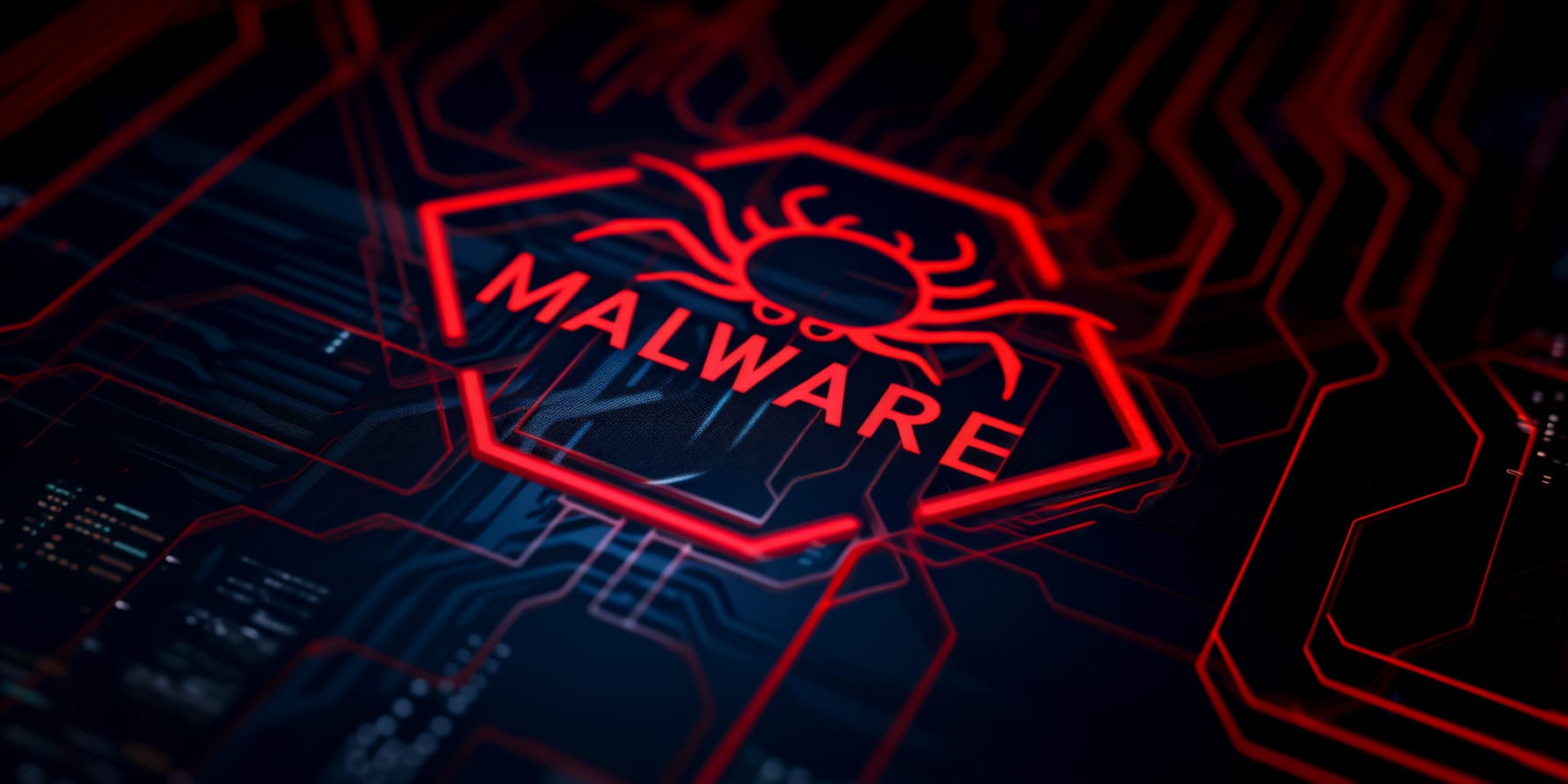
The digital underground is no longer a chaotic swarm of hackers working independently in dark corners of the internet. In 2025, cybercrime has matured into a highly organized service‑based economy — one that mirrors the structure and professionalism of legitimate tech companies.
Bitsight’s in‑depth analysis of current malware trends reveals a world where cyberthreats are increasingly automated, scalable, and shockingly easy to purchase. Yes — you can now subscribe to malware the same way you subscribe to Netflix.
The Rise of Malware-as-a-Service (MaaS)
One of the most significant findings from Bitsight’s report is the explosive growth of Malware‑as‑a‑Service platforms. These systems offer ready‑to‑deploy malware kits that anyone can rent, eliminating the need for technical expertise. Popular names like Lumma, Katana, Acreed, and Vidar are circulating widely across underground marketplaces.
For professionals across industries — from finance to healthcare to real estate — the takeaway is simple: attacks are becoming easier for criminals to launch and harder for organizations to defend against.
Which Industries Are Being Targeted Most?
Bitsight’s telemetry shows that certain industries are drawing persistent attention from cybercriminals. Some of these targets might surprise you — and some align directly with fields served by Cameron Academy’s nationwide licensing programs.
Healthcare
Healthcare remains the most targeted sector with an astounding 93% of U.S. providers reporting at least one cyber incident in the past year. Average breach cost: over $10 million per event.
Technology
Nearly half of all third‑party breaches observed in 2025 involved tech products or services. Supply chain vulnerabilities have become weapon of choice for attackers.
Finance
The financial sector saw a 47% increase in attacks. Credential theft remains the top tactic, making identity security more important than ever.
Education
Universities face ongoing attacks due to decentralized systems and limited security budgets. Underground forums routinely advertise access to campus networks.
Cybercriminals are also increasingly using legitimate platforms like Discord and cloud services for command‑and‑control operations, making detection more challenging for organizations of any size.
Why This Matters for Today’s Professionals
Whether you work in real estate, insurance, mortgage, finance, healthcare, technology, or any licensed profession, cyber threats affect your daily work more than ever. Sensitive documents, contracts, financial data, customer records — they are all prime targets in a cybercrime market that grows more sophisticated each month.
For real estate professionals in particular, digital closings, online signatures, wire transfers, and cloud‑based transaction platforms introduce new vulnerabilities. A single compromised email can trigger a fraudulent wire transfer or data breach.
At Cameron Academy, we consistently emphasize the importance of cybersecurity awareness across all professional fields we serve. Whether you are renewing a license or starting a new career path, understanding today’s digital risks is an essential part of protecting both your clients and your livelihood.
The Road Ahead: A More Dangerous Digital Underground
Bitsight’s 2025 outlook highlights a cybercrime ecosystem that shows no sign of slowing. The availability of subscription‑based attack tools, cross‑platform malware written in Rust and Go, and the exploitation of legitimate communications channels all point toward a more challenging threat landscape.
The message is clear: businesses must strengthen their identity security, increase third‑party risk management efforts, and improve patch hygiene. Professional vigilance is no longer optional — it’s mandatory.
If you’d like to explore the full, detailed research, visit the original analysis from Bitsight here:
Read the full Bitsight 2025 Malware Trends Report