Malware Trends in 2025: What Professionals Need to Know in a Rapidly Evolving Cyber Landscape

Cybersecurity digital malware image

The digital underground is no longer a chaotic swarm of hackers working independently in dark corners of the internet. In 2025, cybercrime has matured into a highly organized service‑based economy — one that mirrors the structure and professionalism of legitimate tech companies.

Bitsight’s in‑depth analysis of current malware trends reveals a world where cyberthreats are increasingly automated, scalable, and shockingly easy to purchase. Yes — you can now subscribe to malware the same way you subscribe to Netflix.

The Rise of Malware-as-a-Service (MaaS)

One of the most significant findings from Bitsight’s report is the explosive growth of Malware‑as‑a‑Service platforms. These systems offer ready‑to‑deploy malware kits that anyone can rent, eliminating the need for technical expertise. Popular names like Lumma, Katana, Acreed, and Vidar are circulating widely across underground marketplaces.

For professionals across industries — from finance to healthcare to real estate — the takeaway is simple: attacks are becoming easier for criminals to launch and harder for organizations to defend against.

Which Industries Are Being Targeted Most?

Bitsight’s telemetry shows that certain industries are drawing persistent attention from cybercriminals. Some of these targets might surprise you — and some align directly with fields served by Cameron Academy’s nationwide licensing programs.

Healthcare

Healthcare remains the most targeted sector with an astounding 93% of U.S. providers reporting at least one cyber incident in the past year. Average breach cost: over $10 million per event.

Technology

Nearly half of all third‑party breaches observed in 2025 involved tech products or services. Supply chain vulnerabilities have become weapon of choice for attackers.

Finance

The financial sector saw a 47% increase in attacks. Credential theft remains the top tactic, making identity security more important than ever.

Education

Universities face ongoing attacks due to decentralized systems and limited security budgets. Underground forums routinely advertise access to campus networks.

Cybercriminals are also increasingly using legitimate platforms like Discord and cloud services for command‑and‑control operations, making detection more challenging for organizations of any size.

Why This Matters for Today’s Professionals

Whether you work in real estate, insurance, mortgage, finance, healthcare, technology, or any licensed profession, cyber threats affect your daily work more than ever. Sensitive documents, contracts, financial data, customer records — they are all prime targets in a cybercrime market that grows more sophisticated each month.

For real estate professionals in particular, digital closings, online signatures, wire transfers, and cloud‑based transaction platforms introduce new vulnerabilities. A single compromised email can trigger a fraudulent wire transfer or data breach.

At Cameron Academy, we consistently emphasize the importance of cybersecurity awareness across all professional fields we serve. Whether you are renewing a license or starting a new career path, understanding today’s digital risks is an essential part of protecting both your clients and your livelihood.

The Road Ahead: A More Dangerous Digital Underground

Bitsight’s 2025 outlook highlights a cybercrime ecosystem that shows no sign of slowing. The availability of subscription‑based attack tools, cross‑platform malware written in Rust and Go, and the exploitation of legitimate communications channels all point toward a more challenging threat landscape.

The message is clear: businesses must strengthen their identity security, increase third‑party risk management efforts, and improve patch hygiene. Professional vigilance is no longer optional — it’s mandatory.

If you’d like to explore the full, detailed research, visit the original analysis from Bitsight here:

Read the full Bitsight 2025 Malware Trends Report

More Articles

Getting licensed or staying ahead in your career can be a journey—but it doesn’t have to be overwhelming. Grab your favorite coffee or tea, take a moment to relax, and browse through our articles. Whether you’re just starting out or renewing your expertise, we’ve got tips, insights, and advice to keep you moving forward. Here’s to your success—one sip and one step at a time!

Florida Judge Reopens Hundreds of Citizens Insurance Disputes, Triggering Statewide Arbitration Shake‑Up

A Leon County judge has ordered Florida’s administrative courts to restart arbitration on more than 400 stalled Citizens Insurance cases, reigniting a legal showdown over whether the state’s insurer of last resort can force policyholders out of traditional courtrooms. The ruling directly conflicts with a separate Hillsborough County injunction that called Citizens’ arbitration system “likely unconstitutional,” setting up a rare judicial clash that could reshape how Floridians fight denied or underpaid property claims.

Inhabit Unveils Cutting‑Edge AI, Fraud Prevention, and Compliance Tech Set to Transform Property Management in 2025

Inhabit has launched a powerful new suite of AI‑driven tools designed to modernize leasing, strengthen fraud prevention, and simplify compliance for property managers nationwide. From advanced leasing assistants and NYC‑specific regulatory AI to instant income verification and upcoming identity‑screening tech, these innovations aim to solve some of the industry’s toughest challenges. Real estate professionals—especially in multifamily—can expect faster operations, stronger safeguards, and a more efficient workflow as these technologies roll out.

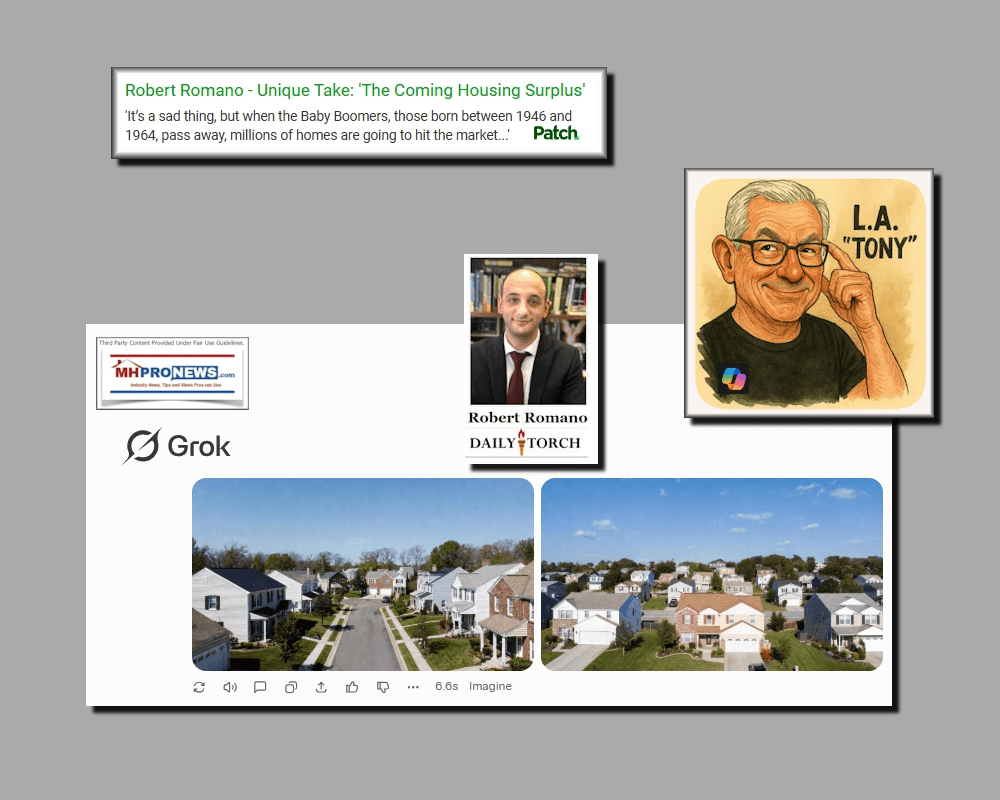
The Coming Housing Surplus: How Baby Boomer Demographics Could Reshape the Real Estate Market

A growing body of demographic research suggests that today’s housing shortage may give way to a future surplus as millions of Baby Boomer–owned homes return to the market over the next two decades. With affordability at historic lows and inventory still tight, this long‑term shift could eventually cool prices and transform the landscape for real estate professionals. The analysis draws parallels to aging populations abroad and highlights why understanding demographic cycles is becoming essential knowledge for agents, brokers, and mortgage professionals preparing for the next era of the housing market.

Griffin Funding Elevates John Jones to SVP of Growth as Lender Targets $3B in Non‑QM Volume

Griffin Funding has appointed John Jones as Senior Vice President of Growth and EOS Integrator, a move aimed at accelerating the lender’s push toward $3 billion in annual non‑QM loan volume by 2030. Jones, previously the company’s fractional integrator and COO, will lead expansion strategies, operational optimization, and leadership development as the lender strengthens its position in the increasingly competitive non‑QM market.

Tampa Defies National Real Estate Slowdown With Nearly 20% Stronger Multifamily Returns

A new report shows Tampa outperforming the national real estate slowdown with a 6.5 percent annualized multifamily return, nearly 20 percent higher than the U.S. average. While many metros face oversupply or regulatory drag, Tampa’s balanced development pipeline, strong population growth, and investor confidence continue to fuel resilient performance heading into 2026.

Global Investors Are Re‑Entering the Market—and Their Next Moves Could Reshape 2026

A new Colliers outlook reveals that global capital is picking up momentum again, with investors shifting toward more active, hands‑on strategies. Data centers are surging, offices are rebounding, and value‑add plays like adaptive reuse are defining the next wave of opportunity. Regional markets—from the U.S. to APAC—are seeing renewed demand as fundraising spreads across continents and investors seek speed, control, and scale. This snapshot helps today’s real estate and finance professionals stay aligned with where global money is moving next.