“`html

Managing Stress During Cancer Treatment: Expert Advice

Surviving cancer is not just a physical battle; it’s a journey marked by emotional upheaval, uncertainty, and fear. Even after successful treatment, the psychological scars often linger, with many survivors carrying the fear of recurrence for years.

In an insightful piece by the Hindustan Times, Dr. Karishma Kirti, a consultant breast specialist and oncoplastic surgeon, shares her expertise on managing stress during cancer treatment. Dr. Kirti highlights, “Stress during this time is natural and valid. But unmanaged stress can interfere with recovery, decision-making, and overall wellbeing.

Here are ten evidence-based tools recommended by Dr. Kirti to help patients better manage stress and reclaim a sense of control:

  1. Express your emotions, in your own way: Whether through conversation, journaling, or quiet reflection, expressing your feelings can help you process them.
  2. Don’t shoulder blame: Remember, no one fully understands why one person gets cancer and another doesn’t.
  3. Take ownership over when (and whether) to talk: You’re in control of how, when, and with whom you discuss your diagnosis.
  4. Practice mind–body techniques: Techniques like guided imagery, deep breathing, and mindfulness meditation can reduce anxiety and improve sleep.
  5. Stay as active as you can: Physical movement, even gentle stretching or a short walk, can help reduce fatigue and boost mood.
  6. Reconnect with activities that bring you joy: Hobbies can offer a mental break from illness.
  7. Manage side effects proactively: Addressing physical symptoms early with your medical team can significantly reduce distress.
  8. Build a routine and sense of control: Creating a simple daily routine can restore a sense of order during uncertain times.
  9. Consider complementary therapies: Approaches like acupuncture and aromatherapy can help reduce stress and ease treatment side effects.
  10. Seek support, professionally and personally: Psycho-oncologists and support groups can offer space to speak freely and share strategies.

For further reading, consider exploring related articles such as AIIMS researchers say oral health is crucial in cancer care and Nutrition and lifestyle tips for cancer prevention.

Note: This article is for informational purposes only and not a substitute for professional medical advice. Always seek the advice of your doctor with any questions about a medical condition.

“`

More Articles

Getting licensed or staying ahead in your career can be a journey—but it doesn’t have to be overwhelming. Grab your favorite coffee or tea, take a moment to relax, and browse through our articles. Whether you’re just starting out or renewing your expertise, we’ve got tips, insights, and advice to keep you moving forward. Here’s to your success—one sip and one step at a time!

The Transformation of Insurance Through Customer-Centric Ecosystems

In the fast-evolving world of insurance, a transformative shift is underway, driven by the development of customer-centric ecosystems. As highlighted in a comprehensive study by EY, insurance ecosystems are reshaping the industry by focusing on customer engagement, trust, and operational excellence.

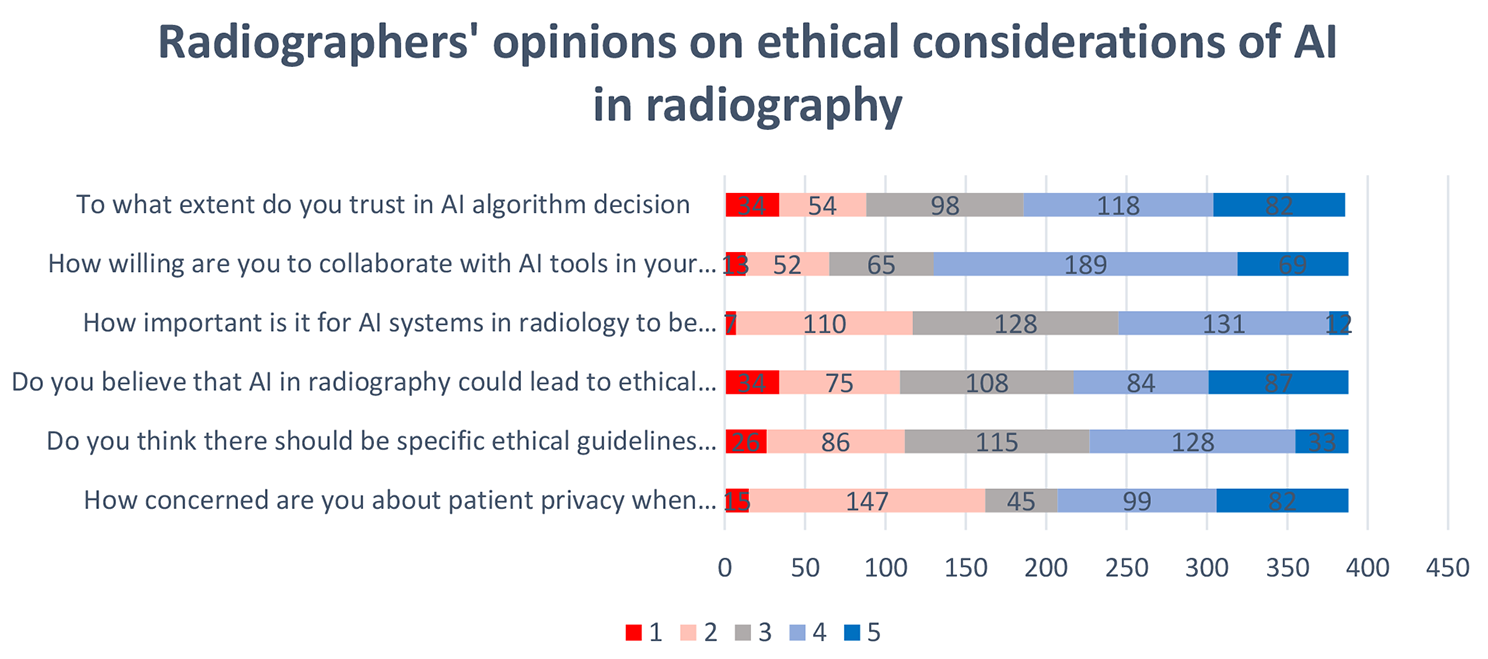
Ethical Challenges of AI in Radiography: Insights from Radiographers

The integration of artificial intelligence in radiography brings a host of ethical challenges that demand careful consideration. A recent study highlights the diverse perspectives of radiographers, revealing significant knowledge gaps and varying trust levels in AI-driven decisions. Concerns over patient privacy and the need for dedicated ethical guidelines are pivotal as healthcare embraces AI.

AI in Healthcare: A Transformative Force Today and Tomorrow

AI tools are already delivering significant value and are poised to further transform healthcare. Embracing these changes today will position organizations and individuals to capture the long-term benefits of a more effective, efficient, and personalized healthcare system.

2024 Housing Market Crystal Ball: Transformative Trends for the Next Decade

The housing landscape of 2034 will be more diverse, technologically advanced, and responsive to the needs of an evolving population.

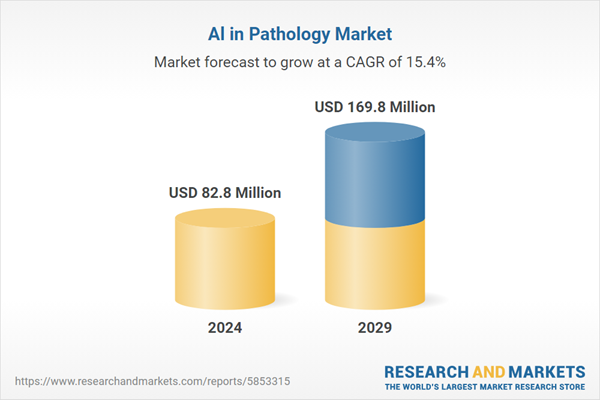
The Future of AI in Pathology: A Market on the Rise

AI in pathology is revolutionizing the field by enhancing the analysis of clinical data, genomic information, and disease progression. These advancements are not only streamlining personalized treatment plans but also optimizing healthcare resource allocation.

By |January 12, 2025|Categories: Article, Healthcare, Technology|Tags: , |0 Comments

Revolutionizing Precision Medicine: AI’s Role in Diabetes and Chronic Disease Management

In an era where data reigns supreme, the integration of artificial intelligence (AI) and machine learning (ML) into the realm of precision medicine is not just a possibility but a burgeoning reality.