“`html

Managing Stress During Cancer Treatment: Expert Advice

Surviving cancer is not just a physical battle; it’s a journey marked by emotional upheaval, uncertainty, and fear. Even after successful treatment, the psychological scars often linger, with many survivors carrying the fear of recurrence for years.

In an insightful piece by the Hindustan Times, Dr. Karishma Kirti, a consultant breast specialist and oncoplastic surgeon, shares her expertise on managing stress during cancer treatment. Dr. Kirti highlights, “Stress during this time is natural and valid. But unmanaged stress can interfere with recovery, decision-making, and overall wellbeing.

Here are ten evidence-based tools recommended by Dr. Kirti to help patients better manage stress and reclaim a sense of control:

  1. Express your emotions, in your own way: Whether through conversation, journaling, or quiet reflection, expressing your feelings can help you process them.
  2. Don’t shoulder blame: Remember, no one fully understands why one person gets cancer and another doesn’t.
  3. Take ownership over when (and whether) to talk: You’re in control of how, when, and with whom you discuss your diagnosis.
  4. Practice mind–body techniques: Techniques like guided imagery, deep breathing, and mindfulness meditation can reduce anxiety and improve sleep.
  5. Stay as active as you can: Physical movement, even gentle stretching or a short walk, can help reduce fatigue and boost mood.
  6. Reconnect with activities that bring you joy: Hobbies can offer a mental break from illness.
  7. Manage side effects proactively: Addressing physical symptoms early with your medical team can significantly reduce distress.
  8. Build a routine and sense of control: Creating a simple daily routine can restore a sense of order during uncertain times.
  9. Consider complementary therapies: Approaches like acupuncture and aromatherapy can help reduce stress and ease treatment side effects.
  10. Seek support, professionally and personally: Psycho-oncologists and support groups can offer space to speak freely and share strategies.

For further reading, consider exploring related articles such as AIIMS researchers say oral health is crucial in cancer care and Nutrition and lifestyle tips for cancer prevention.

Note: This article is for informational purposes only and not a substitute for professional medical advice. Always seek the advice of your doctor with any questions about a medical condition.

“`

More Articles

Getting licensed or staying ahead in your career can be a journey—but it doesn’t have to be overwhelming. Grab your favorite coffee or tea, take a moment to relax, and browse through our articles. Whether you’re just starting out or renewing your expertise, we’ve got tips, insights, and advice to keep you moving forward. Here’s to your success—one sip and one step at a time!

South Florida Housing Market Gains Momentum for 2026 as Mortgage Rates Decline

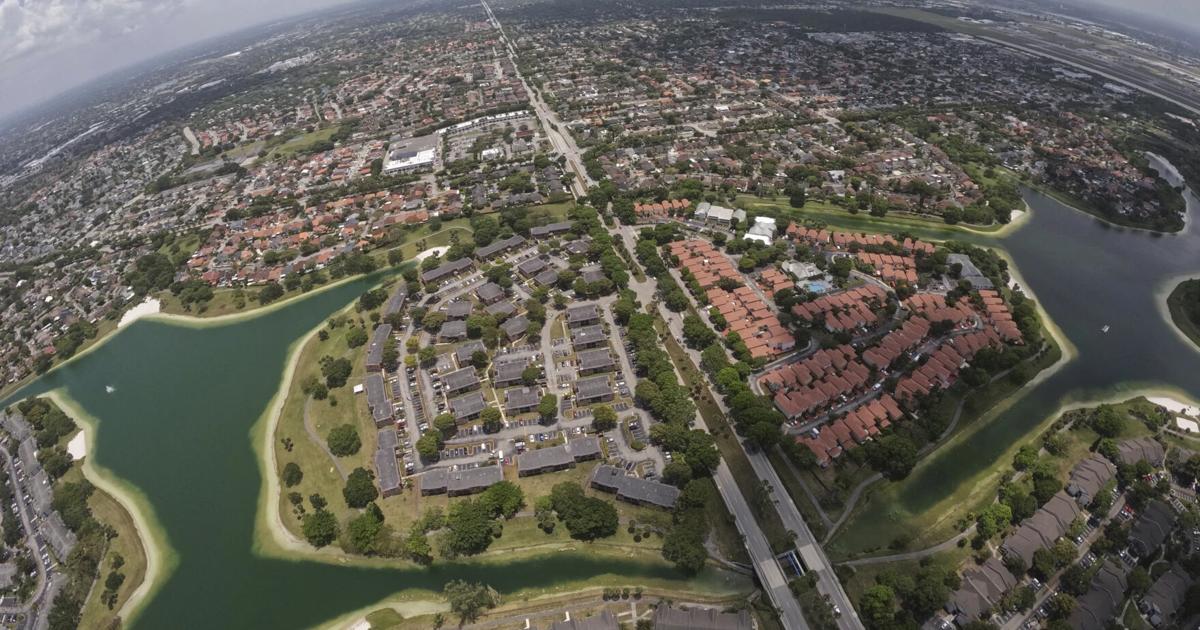
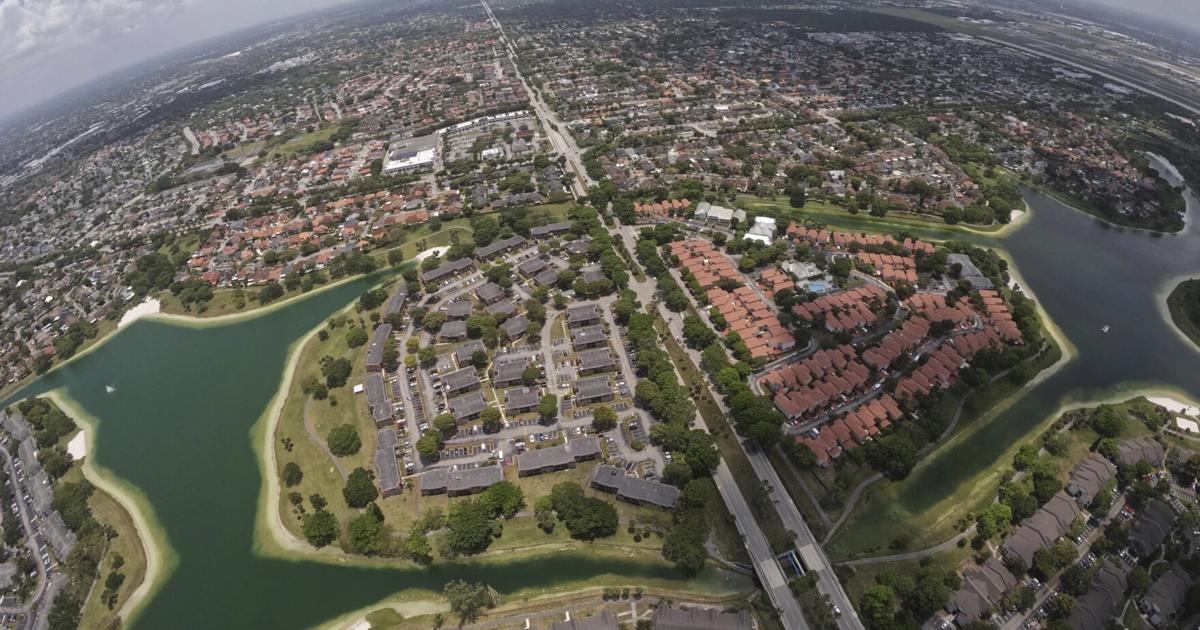
Lower interest rates, improving buyer confidence, and a resilient job market are setting the stage for a stronger South Florida real estate landscape in 2026. After a steadier‑than‑expected 2025, single‑family homes remain competitive, condos are stabilizing despite regulatory pressures, and commercial real estate continues to outperform national trends — giving industry professionals plenty to watch in the year ahead.

2026 Housing Market Outlook: Are We Finally Heading Toward Stability?

Economists across the housing industry are signaling that 2026 may finally bring a true market rebalance. With mortgage rates expected to ease, inventory slowly expanding and affordability showing its first real improvement in years, home sales could climb by 14% nationwide. Prices are projected to rise only modestly, builders are ramping up cautiously and shifting demographics are reshaping who’s buying—and what they’re looking for. For real estate and finance professionals, this more active and balanced landscape sets the stage for a strong year of opportunity.

Lower Interest Rates Spark New Optimism in South Florida’s 2026 Real Estate Market

South Florida enters 2026 with renewed confidence as easing mortgage rates, a solid job market, and stabilizing housing trends breathe life back into both single‑family and condo sectors. After an uneven 2025 marked by high costs and condo‑related challenges, lower borrowing rates are drawing buyers back, encouraging more homeowners to list, and positioning the region for a more balanced — though still competitive — year ahead.

Six Real Estate Trends Reshaping the U.S. Market in 2026

The U.S. real estate landscape is entering a defining year, driven by AI innovation, reimagined office spaces, immersive retail, and resilient industrial growth. Investors are becoming more selective, while ESG expectations are solidifying into essential standards for value and tenant demand. For professionals looking to stay competitive in 2026, understanding these shifts—and upskilling accordingly—will be key to navigating an industry rapidly transforming in real time.

Conforming Mortgage Credit Availability Plunges to Record Low as Lenders Tighten Standards

Conforming mortgage credit has dropped to its lowest level since the MBA began tracking it in 2011, signaling a major tightening in loan options as 2026 begins. December’s Mortgage Credit Availability Index fell 2.6%, driven by shrinking ARM offerings, fewer cash‑out refi programs, and stricter documentation requirements. With conforming loans seeing the sharpest decline—down 3.8%—both buyers and mortgage professionals face a more challenging lending landscape that demands stronger financial profiles and up‑to‑date industry knowledge.

Creative Strategies Are Finally Helping First-Time Buyers Break Into the 2026 Housing Market

A new NAR outlook shows that first-time buyers may finally be gaining traction in 2026 as rising inventory, easing rates, and creative financing strategies open long-awaited pathways into homeownership. From ARMs and government-backed loans to family support, grants, and co-buying, younger buyers are finding new ways to “make the math work.” Builders are also stepping in with incentives and expanded townhome construction, signaling a slow but meaningful shift toward improved affordability.