“`html

Managing Stress During Cancer Treatment: Expert Advice

Surviving cancer is not just a physical battle; it’s a journey marked by emotional upheaval, uncertainty, and fear. Even after successful treatment, the psychological scars often linger, with many survivors carrying the fear of recurrence for years.

In an insightful piece by the Hindustan Times, Dr. Karishma Kirti, a consultant breast specialist and oncoplastic surgeon, shares her expertise on managing stress during cancer treatment. Dr. Kirti highlights, “Stress during this time is natural and valid. But unmanaged stress can interfere with recovery, decision-making, and overall wellbeing.

Here are ten evidence-based tools recommended by Dr. Kirti to help patients better manage stress and reclaim a sense of control:

  1. Express your emotions, in your own way: Whether through conversation, journaling, or quiet reflection, expressing your feelings can help you process them.
  2. Don’t shoulder blame: Remember, no one fully understands why one person gets cancer and another doesn’t.
  3. Take ownership over when (and whether) to talk: You’re in control of how, when, and with whom you discuss your diagnosis.
  4. Practice mind–body techniques: Techniques like guided imagery, deep breathing, and mindfulness meditation can reduce anxiety and improve sleep.
  5. Stay as active as you can: Physical movement, even gentle stretching or a short walk, can help reduce fatigue and boost mood.
  6. Reconnect with activities that bring you joy: Hobbies can offer a mental break from illness.
  7. Manage side effects proactively: Addressing physical symptoms early with your medical team can significantly reduce distress.
  8. Build a routine and sense of control: Creating a simple daily routine can restore a sense of order during uncertain times.
  9. Consider complementary therapies: Approaches like acupuncture and aromatherapy can help reduce stress and ease treatment side effects.
  10. Seek support, professionally and personally: Psycho-oncologists and support groups can offer space to speak freely and share strategies.

For further reading, consider exploring related articles such as AIIMS researchers say oral health is crucial in cancer care and Nutrition and lifestyle tips for cancer prevention.

Note: This article is for informational purposes only and not a substitute for professional medical advice. Always seek the advice of your doctor with any questions about a medical condition.

“`

More Articles

Getting licensed or staying ahead in your career can be a journey—but it doesn’t have to be overwhelming. Grab your favorite coffee or tea, take a moment to relax, and browse through our articles. Whether you’re just starting out or renewing your expertise, we’ve got tips, insights, and advice to keep you moving forward. Here’s to your success—one sip and one step at a time!

How Post‑Election Power Shifts Are Setting Up a New Real Estate Landscape for 2026

Local elections across major U.S. cities have kicked off a wave of policy changes that could reshape development costs, rental income, and investment strategies heading into 2026. From NYC’s aggressive tenant‑protection agenda to Chicago’s sustainability push, Miami’s political uncertainty, and Boston’s steady zoning overhaul, the post‑election environment is redefining how real estate professionals, investors, and lenders should prepare for the year ahead.

The Surge of AI Insurance Exclusions Reshaping Professional Liability in 2025

Insurance carriers are rapidly rolling out AI-related exclusions that strip coverage from claims involving AI tools, automated decision‑making, or generative platforms like ChatGPT and Midjourney. With firms like Berkley and Hamilton introducing sweeping “absolute” and generative‑AI‑specific exclusions, professionals in real estate, mortgage, insurance, and finance now face new liability gaps. As AI becomes unavoidable in everyday work, understanding these exclusions is essential for protecting your career and staying compliant in a fast‑changing risk environment.

Venn Lands $52M to Rebuild the Renting Experience — A Shift Real Estate Pros Can’t Ignore

Proptech startup Venn has raised a $52 million Series B to unify the entire renting lifecycle into one intelligent platform, replacing over a dozen traditional systems and serving more than half a million tenants. As AI‑powered tools like Venn rapidly reshape property operations, real estate professionals — especially in fast‑moving markets like Florida — will need stronger education and tech‑savvy skills to stay competitive.

Rising Insurance Costs Push Florida’s Middle Class to the Brink

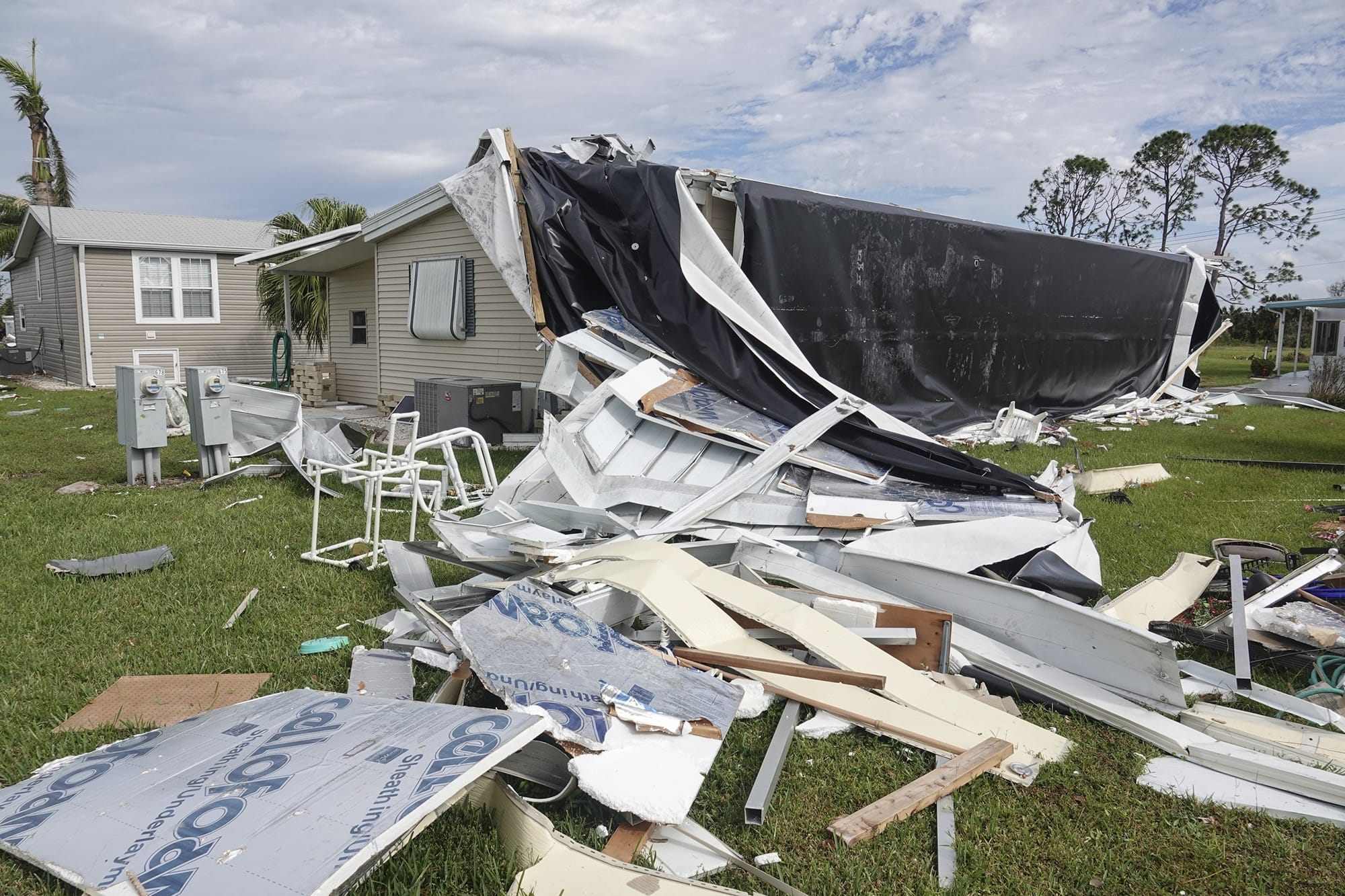
Florida’s Gulf Coast is undergoing a dramatic transformation as soaring insurance premiums, costly construction requirements, and the long shadow of Hurricane Ian force middle‑class families, workers, and longtime residents out of communities they once anchored. With premiums topping $5,700 a year — and many paying far more — Realtors warn of looming foreclosures, renters face steep increases, and entire neighborhoods are being rebuilt for wealthier newcomers. This mounting crisis is reshaping the state’s real estate landscape and leaving professionals scrambling to adapt.

Top Commercial Real Estate Issues to Watch in 2026

Economic uncertainty, rapid tech advances and shifting population patterns are setting the stage for a pivotal year in commercial real estate. New findings from the Counselors of Real Estate, presented at NAR NXT, outline ten major forces reshaping strategy, investment and opportunity in 2026—from policy impacts and portfolio risk to AI adoption, capital flow changes, housing attainability and demographic shifts. This outlook offers clarity and caution for professionals across real estate, mortgage, finance and related fields.

New Reforms, Familiar Risks: Why Florida’s Home Insurance Market Still Isn’t Stabilizing

Florida’s home insurance crisis is back in the spotlight as new reforms appear to be repeating decades‑old mistakes. Despite efforts to depopulate Citizens and attract private insurers, many of the companies taking over policies have ties to past insolvencies. Critics say weak oversight, generous ratings, and political influence are allowing unstable insurers to thrive while homeowners pay more for less protection. Experts warn that without transparent ratings, real accountability, and unified regulation, Florida’s insurance market will remain vulnerable—putting property values, lending, and the broader real estate industry at risk.