In the rapidly evolving world of artificial intelligence, a new player has emerged from China, capturing the attention of tech enthusiasts and industry leaders alike. The general AI agent, named Manus, has been making waves since its launch by the Wuhan-based startup Butterfly Effect. Despite its recent debut, Manus has already sparked conversations worldwide, with notable figures such as Twitter cofounder Jack Dorsey and Hugging Face product lead Victor Mustar praising its capabilities.

Manus is touted as the world’s first general AI agent, standing out from typical AI chatbots like DeepSeek by employing multiple AI models and independently operating agents. This allows it to act autonomously across a wide range of tasks. However, while the hype is palpable, access remains limited, with less than 1% of waitlisted users receiving an invite code. The Manus Discord channel, however, indicates significant interest, boasting over 186,000 members.

In an exclusive review by the MIT Technology Review, Manus was likened to a highly intelligent and efficient intern. It occasionally stumbles with understanding tasks or makes incorrect assumptions but compensates with adaptability and clarity in its reasoning. The AI’s potential is undeniable, though it is not without its flaws.

The review highlighted three tasks to test Manus’s capabilities:
  • Compiling a list of notable reporters covering China tech
  • Searching for two-bedroom properties in New York City
  • Nominating candidates for the Innovators Under 35 list
Manus excelled in tasks with openly available and well-structured information but struggled with accessing paywalled content and processing large text chunks.

Manus’s transparency and collaborative nature were praised, as it actively engages users with questions and retains instructions for future tasks. However, system crashes and server overloads were noted, issues that the Manus team is reportedly addressing. Despite these challenges, Manus’s cost efficiency—at about $2 per task, a fraction of DeepResearch’s cost—could make it a preferred choice for individual users and small teams once infrastructure improvements are made.

The emergence of Manus underscores the innovative strides Chinese AI companies are making, not merely following Western counterparts but shaping AI adoption in their own right. As the AI landscape continues to evolve, Manus represents a promising glimpse into the future of autonomous AI agents.

More Articles

Getting licensed or staying ahead in your career can be a journey—but it doesn’t have to be overwhelming. Grab your favorite coffee or tea, take a moment to relax, and browse through our articles. Whether you’re just starting out or renewing your expertise, we’ve got tips, insights, and advice to keep you moving forward. Here’s to your success—one sip and one step at a time!

AI in Medical Diagnosis: Revolutionizing Healthcare Standards

"AI and machine learning are emerging as powerful technologies to address this issue, improving the accuracy of medical diagnosis and revolutionizing healthcare with their myriad applications."

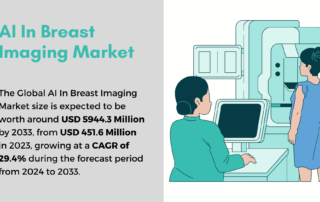
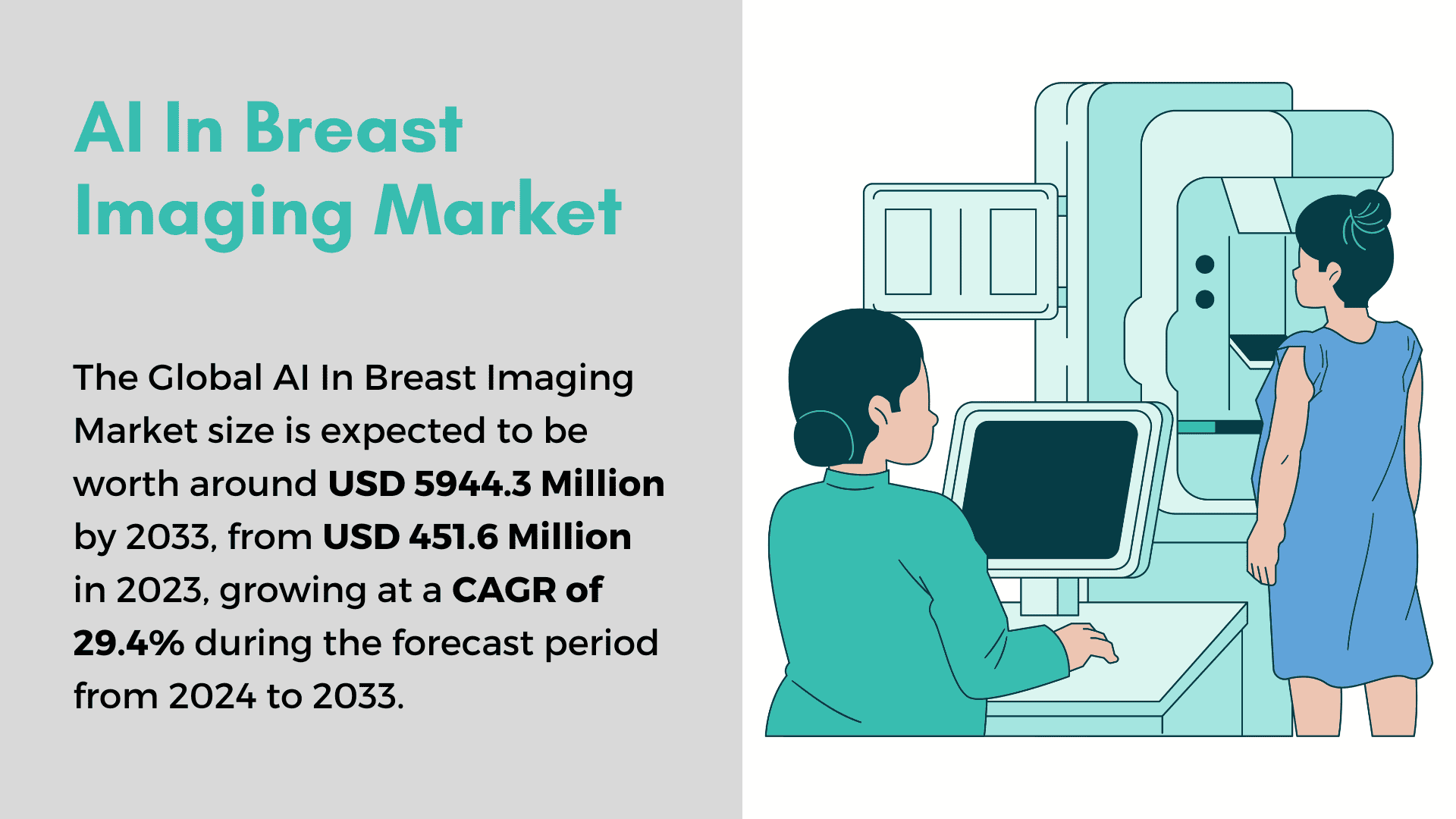
AI in Breast Imaging Market Set for Explosive Growth

The global AI in breast imaging market is on a remarkable growth trajectory, projected to swell from USD 451.6 million in 2023 to an impressive USD 5944.3 million by 2033. This represents a compound annual growth rate (CAGR) of 29.4%, primarily driven by cutting-edge advancements in AI technologies that significantly enhance diagnostic accuracy, facilitate early detection, and boost healthcare efficiency.

Virtual Real Estate: Navigating Investments in Metaverse Platforms

Virtual real estate in metaverses is becoming a focal point for investors worldwide, with digital plots of land mirroring traditional real estate value based on location, size, and platform popularity.

The Transformative Power of AI in In-Vitro Diagnostics

Artificial intelligence (AI) and machine learning are at the forefront of revolutionizing in-vitro diagnostic (IVD) tools, redefining diagnostics and enhancing healthcare outcomes on multiple fronts.

The Future of Life Sciences: A Vision for 2030

As we edge closer to 2030, the life sciences industry stands on the threshold of transformative changes. With a global valuation exceeding $2 trillion, the sector is poised for significant growth, driven by technological advancements and an aging population.

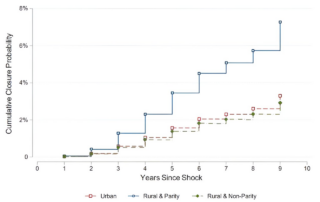
Telehealth: A Boon for Patients, A Challenge for Rural Hospitals

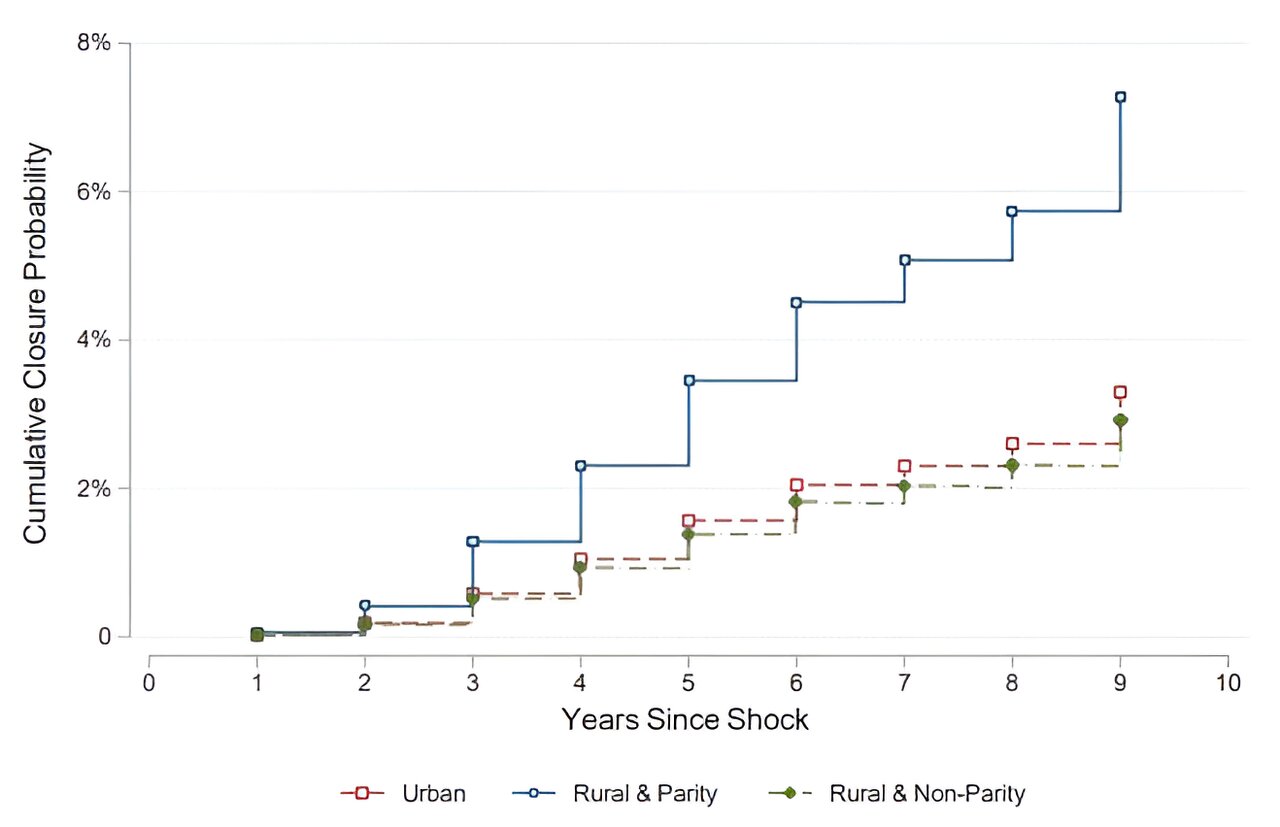
The advent of telehealth has revolutionized the way patients, particularly those in rural areas, access health care. By offering remote consultations and follow-up care, telehealth provides a convenient alternative to traveling long distances to urban hospitals. However, this technological advancement brings with it a set of challenges that could reshape the rural health care landscape.

By |December 20, 2024|Categories: Article, Health/Medicine, Technology|Tags: , |0 Comments