Massachusetts lawmakers are banking on accessory dwelling units (ADUs) to help tackle the state’s housing crisis, one in-law suite at a time. The recently signed Affordable Homes Act paves the way for these secondary dwellings statewide, potentially easing housing shortages. However, the clock is ticking for cities and towns to amend their zoning bylaws to align with the new state law by February 2.
In Berkshire County, only three of the 21 towns with ADU bylaws currently comply with the new legislation. The remaining municipalities face a daunting task of revising their zoning laws, a process fraught with questions and ambiguities yet to be clarified by the state. Cornelius Hoss, a community planner, notes the challenge, especially for volunteer planning boards with limited resources.
Despite the state law superseding local bylaws, failure to amend them could hinder towns’ abilities to regulate ADU construction and rental. Hoss emphasizes the importance of implementing “reasonable” restrictions, such as additional size limitations or site plan reviews.
Understanding ADUs
ADUs, also known as “granny flats” or “in-law apartments,” are secondary dwellings with their own facilities on the same lot as a principal dwelling. Massachusetts Housing Secretary Ed Augustus describes them as “low-hanging fruit” for quick housing solutions.
The new law standardizes ADU definitions and restrictions, prohibiting special permits for single ADUs and limiting their size to half the gross floor area of the principal dwelling or 900 square feet, whichever is smaller. Only Great Barrington, Williamstown, and Lanesborough currently meet these criteria.
Incentives for Amendment
While towns are not obligated to amend their bylaws, doing so allows them to tailor restrictions, such as short-term rental limitations, to local needs. Alexandria Glover, a civil litigator, warns that failing to update bylaws could lead to confusion and outdated regulations.
Lenox, for instance, plans to amend its zoning bylaw by May, removing the special permit requirement and adjusting size limitations. However, the town grapples with concerns over short-term rentals and absentee landlords.
Waiting and Watching
Some towns, like Florida, are adopting a “wait and see” approach, allowing the state law to take effect without immediate local amendments. This strategy buys time to gauge community opinion and receive further guidance from the state.
As municipalities across Berkshire County navigate these changes, they share a sense of urgency and anticipation. The original article from The Berkshire Eagle highlights the complexities and opportunities presented by the Affordable Homes Act, prompting a reevaluation of housing strategies in the region.
More Articles
Getting licensed or staying ahead in your career can be a journey—but it doesn’t have to be overwhelming. Grab your favorite coffee or tea, take a moment to relax, and browse through our articles. Whether you’re just starting out or renewing your expertise, we’ve got tips, insights, and advice to keep you moving forward. Here’s to your success—one sip and one step at a time!
The financial landscape in South Korea is poised for a seismic shift as KBank, a major digital bank, grapples with a legislative curveball. The bank, which is heavily reliant on deposits from Upbit, Korea’s dominant cryptocurrency exchange, is facing a potential profit squeeze. The new Virtual Asset User Protection Act, set to take effect on July 19, 2024, mandates that banks must pay interest on crypto exchange deposits, a move that could severely impact KBank's bottom line.
AI's ability to analyze vast amounts of data is paving the way for a profound change in medical diagnostics. Khosla predicted that AI could take over up to 80% of standard medical tasks, reducing errors and biases in human diagnosis. This is particularly evident in fields like radiology and pathology, where AI's proficiency in analyzing medical imaging allows for the early detection of diseases such as cancer, significantly improving treatment outcomes.
The COVID-19 pandemic has dramatically reshaped the housing market landscape, resulting in an unprecedented surge in home prices throughout the United States.
In a world where technology is rapidly evolving, artificial intelligence (AI) is proving to be a game-changer in the healthcare sector. AI-powered tools are improving patient outcomes, enhancing operational efficiency, and reducing costs, reshaping the very fabric of healthcare delivery.
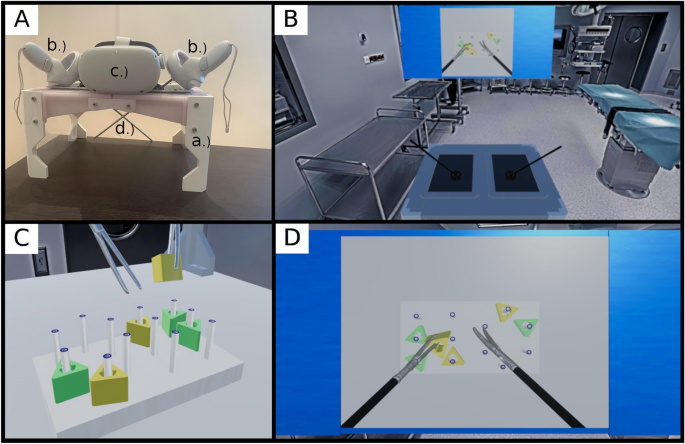
In a groundbreaking study published by Nature, researchers have unveiled a novel approach to surgical training using a low-fidelity virtual reality (VR) simulator enhanced with artificial intelligence (AI) for objective assessment. This pioneering method is poised to transform how medical students acquire laparoscopic skills, offering a cost-effective and efficient alternative to traditional training models.
AI in healthcare is projected to grow into a $188 billion industry worldwide by 2030, promising to revolutionize the field. From drug development to improved diagnostics, AI is already making significant strides, transforming medical practices and enhancing patient care efficiency.