Massachusetts lawmakers are banking on accessory dwelling units (ADUs) to help tackle the state’s housing crisis, one in-law suite at a time. The recently signed Affordable Homes Act paves the way for these secondary dwellings statewide, potentially easing housing shortages. However, the clock is ticking for cities and towns to amend their zoning bylaws to align with the new state law by February 2.
In Berkshire County, only three of the 21 towns with ADU bylaws currently comply with the new legislation. The remaining municipalities face a daunting task of revising their zoning laws, a process fraught with questions and ambiguities yet to be clarified by the state. Cornelius Hoss, a community planner, notes the challenge, especially for volunteer planning boards with limited resources.
Despite the state law superseding local bylaws, failure to amend them could hinder towns’ abilities to regulate ADU construction and rental. Hoss emphasizes the importance of implementing “reasonable” restrictions, such as additional size limitations or site plan reviews.
Understanding ADUs
ADUs, also known as “granny flats” or “in-law apartments,” are secondary dwellings with their own facilities on the same lot as a principal dwelling. Massachusetts Housing Secretary Ed Augustus describes them as “low-hanging fruit” for quick housing solutions.
The new law standardizes ADU definitions and restrictions, prohibiting special permits for single ADUs and limiting their size to half the gross floor area of the principal dwelling or 900 square feet, whichever is smaller. Only Great Barrington, Williamstown, and Lanesborough currently meet these criteria.
Incentives for Amendment
While towns are not obligated to amend their bylaws, doing so allows them to tailor restrictions, such as short-term rental limitations, to local needs. Alexandria Glover, a civil litigator, warns that failing to update bylaws could lead to confusion and outdated regulations.
Lenox, for instance, plans to amend its zoning bylaw by May, removing the special permit requirement and adjusting size limitations. However, the town grapples with concerns over short-term rentals and absentee landlords.
Waiting and Watching
Some towns, like Florida, are adopting a “wait and see” approach, allowing the state law to take effect without immediate local amendments. This strategy buys time to gauge community opinion and receive further guidance from the state.
As municipalities across Berkshire County navigate these changes, they share a sense of urgency and anticipation. The original article from The Berkshire Eagle highlights the complexities and opportunities presented by the Affordable Homes Act, prompting a reevaluation of housing strategies in the region.
More Articles
Getting licensed or staying ahead in your career can be a journey—but it doesn’t have to be overwhelming. Grab your favorite coffee or tea, take a moment to relax, and browse through our articles. Whether you’re just starting out or renewing your expertise, we’ve got tips, insights, and advice to keep you moving forward. Here’s to your success—one sip and one step at a time!
Florida homeowners — especially in hard‑hit South Florida — are set to see rare and substantial reductions in their property insurance premiums. Gov. Ron DeSantis announced an average statewide Citizens Insurance decrease of 8.7%, with even larger savings of up to 14% in counties like Miami-Dade, Broward, and Palm Beach. State officials credit recent legal and regulatory reforms for stabilizing the market, attracting new insurers, and delivering the first meaningful rate relief Floridians have seen in years.
Tampa’s commercial real estate market isn’t slowing—it’s maturing. With strong population growth, rising office demand, a normalized industrial sector, resurgent retail, and an emerging health‑care real estate boom, investors are shifting from speed to strategy. Tighter underwriting, cautious capital and increased due‑diligence are shaping a more disciplined market, creating new opportunities for informed professionals.
Florida homeowners are finally seeing relief as Citizens Property Insurance announces a major 8.7% average rate decrease—far larger than originally proposed. Driven by legislative reforms, fewer lawsuits, and a calm hurricane season, the state’s once‑unstable insurance market is showing real signs of recovery. But with reduced coverage limits and shifting legal protections, experts warn that lower premiums may come with hidden trade‑offs.
After a decade of rising premiums and retreating carriers, Florida homeowners are finally seeing long‑awaited relief. Dozens of insurers have filed for rate decreases—some as high as 11%—thanks to legislative reforms and a stabilizing market. Early approvals are already hitting counties across the state, and experts say the momentum could boost buyer confidence, affordability, and competition throughout Florida’s real estate and insurance sectors.
After years of slowed activity caused by rising interest rates, the self‑storage industry is heating up again. New data from Marcus & Millichap shows a fresh market cycle emerging, driven by renewed buyer confidence, recalibrated pricing, and stronger lender participation. Acquisitions are rebounding, development is resetting in a healthier direction, and financing conditions are improving—creating one of the most promising investment landscapes the sector has seen in years.
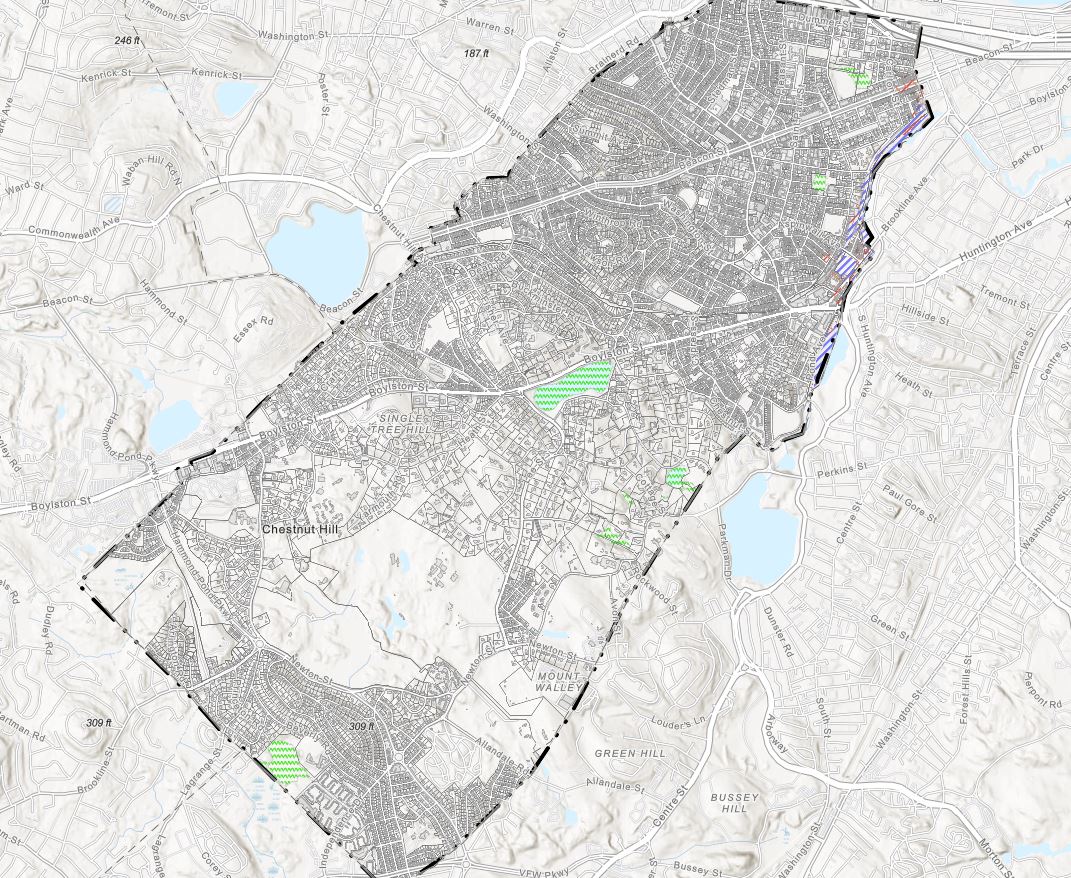
Brookline’s newly updated FEMA flood maps identify 97 high‑risk parcels, but local experts warn the true threat is far greater. While FEMA highlights river‑based flooding around Leverett Pond and the Muddy River, alternative models show more than 1,300 Brookline properties at risk within 30 years. Hidden vulnerabilities along major corridors like Beacon Street, rising rainfall intensity, aging infrastructure, and climate‑driven storm patterns suggest that many “low‑risk” areas may be anything but safe.