Massachusetts lawmakers are banking on accessory dwelling units (ADUs) to help tackle the state’s housing crisis, one in-law suite at a time. The recently signed Affordable Homes Act paves the way for these secondary dwellings statewide, potentially easing housing shortages. However, the clock is ticking for cities and towns to amend their zoning bylaws to align with the new state law by February 2.
In Berkshire County, only three of the 21 towns with ADU bylaws currently comply with the new legislation. The remaining municipalities face a daunting task of revising their zoning laws, a process fraught with questions and ambiguities yet to be clarified by the state. Cornelius Hoss, a community planner, notes the challenge, especially for volunteer planning boards with limited resources.
Despite the state law superseding local bylaws, failure to amend them could hinder towns’ abilities to regulate ADU construction and rental. Hoss emphasizes the importance of implementing “reasonable” restrictions, such as additional size limitations or site plan reviews.
Understanding ADUs
ADUs, also known as “granny flats” or “in-law apartments,” are secondary dwellings with their own facilities on the same lot as a principal dwelling. Massachusetts Housing Secretary Ed Augustus describes them as “low-hanging fruit” for quick housing solutions.
The new law standardizes ADU definitions and restrictions, prohibiting special permits for single ADUs and limiting their size to half the gross floor area of the principal dwelling or 900 square feet, whichever is smaller. Only Great Barrington, Williamstown, and Lanesborough currently meet these criteria.
Incentives for Amendment
While towns are not obligated to amend their bylaws, doing so allows them to tailor restrictions, such as short-term rental limitations, to local needs. Alexandria Glover, a civil litigator, warns that failing to update bylaws could lead to confusion and outdated regulations.
Lenox, for instance, plans to amend its zoning bylaw by May, removing the special permit requirement and adjusting size limitations. However, the town grapples with concerns over short-term rentals and absentee landlords.
Waiting and Watching
Some towns, like Florida, are adopting a “wait and see” approach, allowing the state law to take effect without immediate local amendments. This strategy buys time to gauge community opinion and receive further guidance from the state.
As municipalities across Berkshire County navigate these changes, they share a sense of urgency and anticipation. The original article from The Berkshire Eagle highlights the complexities and opportunities presented by the Affordable Homes Act, prompting a reevaluation of housing strategies in the region.
More Articles
Getting licensed or staying ahead in your career can be a journey—but it doesn’t have to be overwhelming. Grab your favorite coffee or tea, take a moment to relax, and browse through our articles. Whether you’re just starting out or renewing your expertise, we’ve got tips, insights, and advice to keep you moving forward. Here’s to your success—one sip and one step at a time!
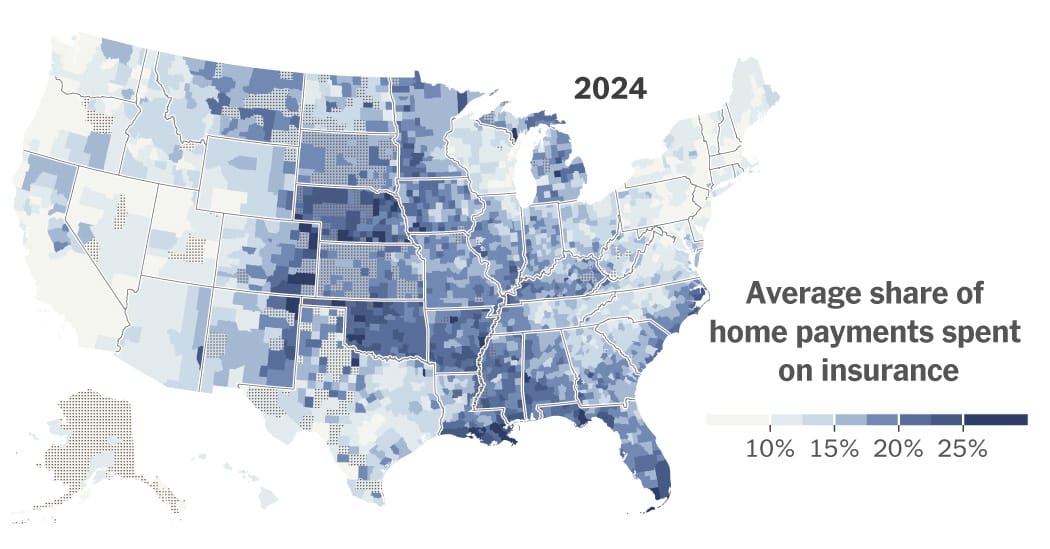
A surge in home insurance premiums is reshaping housing markets across the country, hitting disaster‑prone regions the hardest. From Louisiana to Colorado and California, deals are collapsing, buyers are backing out, and home values are dropping as insurance becomes a central affordability hurdle. New data shows climate‑driven risk repricing and soaring reinsurance costs are stripping tens of thousands of dollars from property values, forcing some homeowners to sell at a loss—or go uninsured altogether.
After years of sluggish activity, the National Association of REALTORS predicts 2026 could mark the long‑awaited rebound for the housing market. With a projected 14% jump in home sales, steadier rates near 6%, and rising buyer activity, NAR economists say momentum is already building. Early signs—like a 31% surge in mortgage applications, continued job growth, and stabilizing prices—suggest a stronger, more confident market ahead, creating fresh opportunities for both seasoned professionals and aspiring agents preparing to enter the field.
A surge of global capital is reshaping real estate heading into 2026, with investors shifting toward hands‑on strategies, cross‑border diversification, and high‑growth asset classes like data centers. Colliers’ 2026 Global Investor Outlook highlights rising confidence, improving liquidity, and a major pivot toward direct investing and value‑add opportunities. From office market rebounds to Asia Pacific’s rapid fundraising growth, the report outlines trends every real estate professional should understand as the industry enters a more dynamic, opportunity‑rich cycle.
Culver City just became the first place in California to legalize six‑story apartment buildings with only one staircase — a simple change that could reshape mid‑rise housing statewide. By freeing up as much as 7% more usable floor space, architects say single‑stair designs allow bigger units, more windows, and the kind of elegant layouts common in New York and Europe. If the city’s six‑year experiment succeeds, it may spark a broader rethinking of U.S. building codes and open the door to more flexible, affordable multifamily development across California.
Stratford homeowners are receiving their 2025 Notices of Assessment Change, marking the town’s first property revaluation since 2019. Officials emphasize that rising assessments do not equal higher tax bills, as a new mill rate won’t be set until spring 2026. Residents can challenge or review their updated valuations through informal hearings hosted by Vision Government Solutions, with appointments available for one week after receiving a notice.
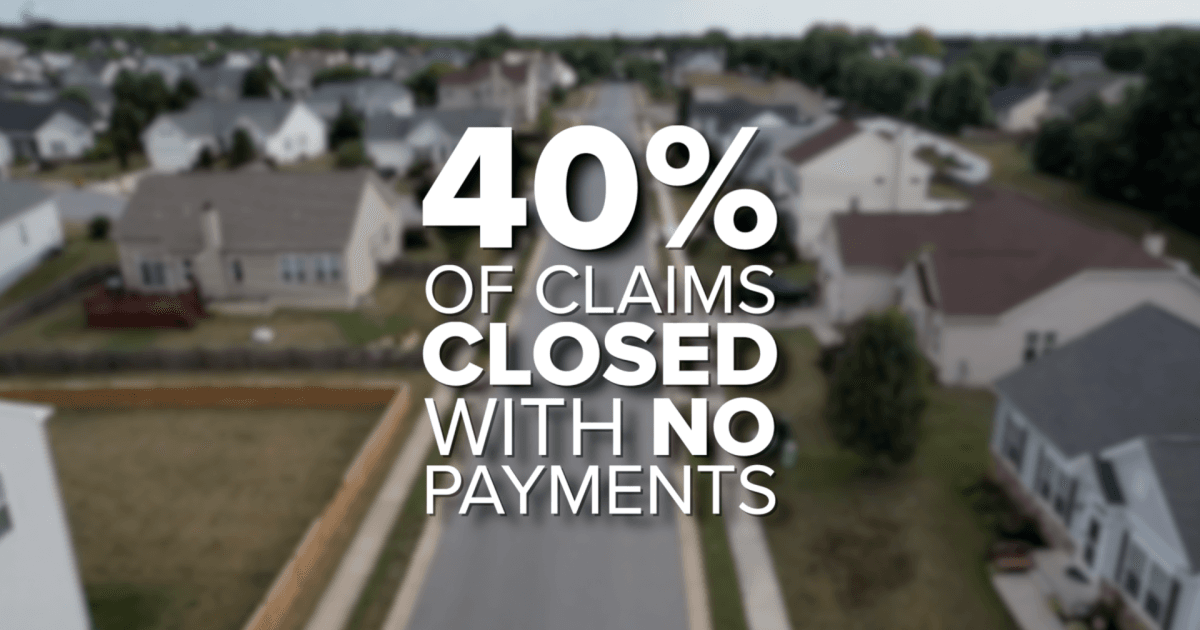
New reporting reveals Florida homeowners now face an average insurance premium of $5,838 per year — nearly triple the national average. With skyrocketing rates, denied claims, and mounting non-renewals, residents are being pushed to tough financial decisions while lawmakers scramble to implement reforms. From retirees skipping coverage to families battling insurers for fair payouts, Florida’s insurance crisis is reshaping both the housing market and the daily lives of homeowners statewide.