In a landmark move set to reshape the rental landscape in Massachusetts, a new law coming into effect on August 1, 2025, will prohibit landlords from requiring new tenants to pay broker fees unless the tenant hired the broker themselves. This legislation, signed by Governor Maura Healey, is part of the state budget for the upcoming fiscal year and aims to alleviate the financial burden on renters amidst soaring housing costs.


Traditionally, renters in Massachusetts have been expected to pay substantial upfront costs when moving into a new apartment, including first and last month’s rent, a security deposit, and a broker fee—often equivalent to one month’s rent. Housing advocates have long criticized these fees, arguing they can make moving financially unfeasible even for those who can afford the rent itself.


Ed Augustus, Housing and Livable Communities Secretary, emphasized, “Renter-paid broker’s fees have added to an up-front cost that can put moving into a new apartment out of reach for individuals and families even when they can afford the rent.”


However, the new law has sparked debate. While tenants and housing advocates welcome the change, many landlords are concerned it will lead to increased rents as they seek to offset the costs previously covered by broker fees. This concern is fueled by a New York Post report that noted a 15% rent increase in New York City following a similar regulation.


Conversely, an analysis by StreetEasy suggests that the impact on rents in New York was less dramatic, with increases of less than 1% on average for properties previously requiring broker fees.


Confusion and Compliance

Despite the law’s intentions, its implementation has not been without challenges. Greg Vasil, CEO of the Greater Boston Real Estate Board, highlighted the confusion among real estate agents and landlords due to the law’s brief and ambiguous wording. With less than a month to prepare, stakeholders are scrambling to understand the new requirements.


Vasil noted, “We’re basically trying to educate a whole lot of people in three weeks. It’s a monumental task.” The law specifies that the party who initially engaged with the broker should pay the fee, which is often the landlord, but the lack of clarity on terms like “entered into a contract” has led to differing interpretations.


Looking Ahead

While the reform is a step towards more affordable housing, experts like Demetrios Salpoglou, CEO of BostonPads, argue that increasing the housing supply is crucial to genuinely bring down costs. Carolyn Chou, executive director of Homes for All Massachusetts, echoed this sentiment, stating that broker fee reform alone will not suffice if rent hikes continue to displace residents.


For more insights, visit the original article on MassLive.

More Articles

Getting licensed or staying ahead in your career can be a journey—but it doesn’t have to be overwhelming. Grab your favorite coffee or tea, take a moment to relax, and browse through our articles. Whether you’re just starting out or renewing your expertise, we’ve got tips, insights, and advice to keep you moving forward. Here’s to your success—one sip and one step at a time!

Massachusetts Investment Firm Makes Strategic Move Into Connecticut With $3.65M Red Robin-Anchored Purchase

Newman Properties, a Massachusetts-based investment firm, has expanded its footprint into Connecticut with the $3.65 million acquisition of a 6,350‑square‑foot retail building in Enfield. Anchored by national restaurant chain Red Robin, the property offers the type of stable tenancy investors seek when entering new markets. The deal underscores growing confidence in anchored retail assets and provides a valuable real-world example for real estate professionals studying market analysis, investment strategy, and portfolio expansion.

JPMorgan Flags a Sunbelt Slowdown as Florida and Texas See Sharp Home Price Drops

JPMorgan now expects national home prices to flatten in 2026, but the Sunbelt is telling a very different story. Florida home values are down 5.1%, Texas is down 2.4%, and analysts warn that years of rapid building are finally catching up to the region. As demand stabilizes and inventory swells, real estate professionals — especially in Florida — face a market full of challenges, opportunities, and critical timing decisions.

AI Is Reshaping Mortgage Underwriting in 2026 as Industry Pros Brace for Major Change

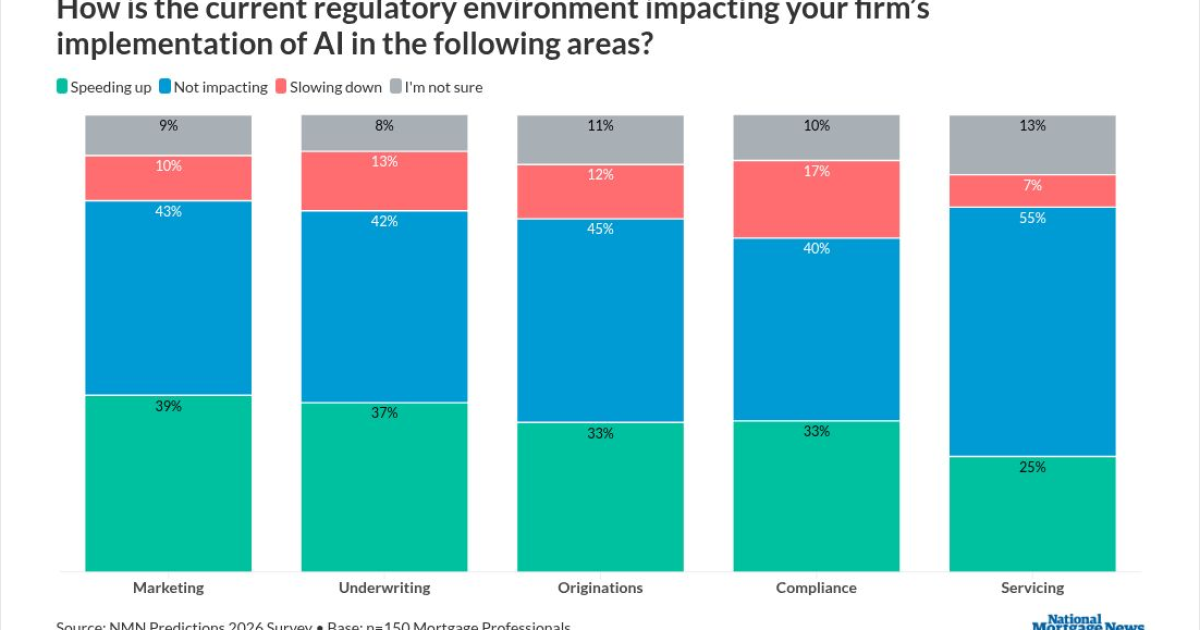
Artificial intelligence is finally stepping into the mortgage underwriting spotlight, with 57% of mortgage professionals predicting it will drive the most transformative industry shift in 2026. Thanks to major advancements in language models and workflow automation, AI is now capable of navigating the messy, document-heavy realities that have long slowed underwriting. From faster preapprovals to improved credit analysis and real‑time income verification, AI is streamlining processes while allowing underwriters to focus on true risk management. As regulatory winds shift and grassroots pressure builds within lending teams, the industry is entering a pivotal era where AI‑powered underwriting becomes not just an advantage — but an expectation.

Portland’s Commercial Market Suffers a Historic $2 Billion Collapse

Portland’s top 20 office towers have lost an unprecedented 70% of their value since 2019—plunging from $3 billion to under $1 billion—triggering tax revenue shortfalls, budget crises, and a surge in appeals as the city grapples with its biggest commercial real estate reset in modern history.

When Virtual Reality Becomes the New Penthouse Tour: Miami Students Step Inside a $1M Tech-Driven Luxury Tower Experience

South Florida’s luxury real estate market just raised the bar again — this time with a $1 million virtual reality system that lets buyers walk through Dolce & Gabbana’s upcoming Miami tower long before construction wraps. Real estate master’s students were given an immersive look inside the project, discovering how VR is transforming high‑end development, influencing buyer psychology, and shaping the future skills today’s professionals need.

Long Island’s Latest Commercial Moves: From Pizza Huts to Auto Parts Warehouses

Long Island’s commercial real estate scene is kicking off 2026 with a surge of activity—industrial leases in Medford, neighborhood retail trades in Bohemia, Pizza Hut’s new DELCO expansion in Centereach, mixed‑use acquisitions in Melville, and major investor interest in bank‑leased and franchise-backed properties. From warehouses to restaurant rebrands, these deals highlight a region evolving fast and offering fresh opportunities for agents, investors, and professionals looking to stay ahead in the market.