Massachusetts Pushes for Stronger Fair Housing Training for Agents
Massachusetts is moving forward with a powerful new initiative to strengthen protections for homebuyers and renters. The passage of S.2947 marks a serious push to reduce discrimination and elevate the professional standards expected of real estate agents across the Commonwealth.
The bill, unanimously approved by the Massachusetts Senate, introduces tougher penalties for fair housing violations and mandates additional education requirements for both current and aspiring real estate professionals. It now heads to the House of Representatives for further review.
Why This Matters: Persistent Housing Discrimination in the Commonwealth
Despite long-standing laws prohibiting discrimination based on race, national origin, disability, age, religion, and income source, unfair treatment remains a clear and measurable problem in housing across Massachusetts.
A study by the Boston Foundation and Suffolk University revealed an alarming pattern: 71 percent of Black participants encountered discrimination during their housing search. Many were ignored, ghosted, or denied opportunities by real estate professionals.
Income-based discrimination remains widespread as well, especially among renters using housing vouchers who were often denied property tours or applications.
What S.2947 Means for Real Estate Agents
Current agents: Must complete an additional 2 hours of fair housing education with every license renewal cycle.
Future agents: Will be required to complete 4 hours of dedicated fair housing training before being licensed.
In addition, the bill doubles the minimum suspension for fair housing violations from 90 days to 180 days. These violations can now be submitted directly to the Board of Registration of Real Estate Brokers and Salespersons by the attorney general and various fair housing agencies.
A Step Toward Equity and Professional Accountability
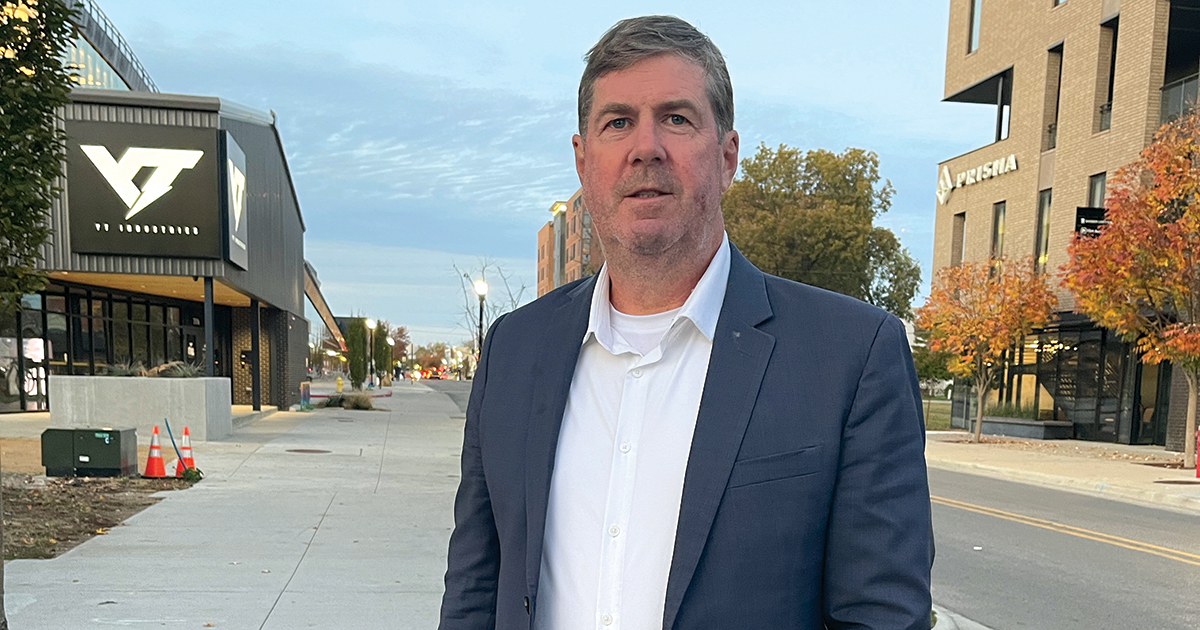
Lead sponsor Senator Adam Gomez emphasized the importance of this initiative, calling fair housing a cornerstone of equity and opportunity throughout Massachusetts. He highlighted the need to ensure real estate professionals fully understand their responsibilities in upholding these essential principles.
Legislation like S.2947 underscores the growing national focus on ethics, fairness, and consumer protection within the housing market. As education requirements expand, high-quality professional training becomes increasingly important.
What This Means for Professionals in Training
Whether you are renewing your license or preparing for your very first real estate exam, one thing is clear: the industry is raising the bar. States nationwide continue to increase educational requirements, and staying ahead of these changes is one of the smartest moves an agent can make.
Schools like Cameron Academy have long prioritized comprehensive, success-focused education that prepares students not just to pass exams, but to excel ethically in the real world. Our flexible curriculum helps future agents stay aligned with evolving standards without unnecessary stress.
To dive deeper into the ongoing conversation around Massachusetts housing reform, visit the original report at Boston Agent Magazine. Stay tuned as we continue to track this important bill as it moves through the House.
More Articles
Getting licensed or staying ahead in your career can be a journey—but it doesn’t have to be overwhelming. Grab your favorite coffee or tea, take a moment to relax, and browse through our articles. Whether you’re just starting out or renewing your expertise, we’ve got tips, insights, and advice to keep you moving forward. Here’s to your success—one sip and one step at a time!
The realm of Artificial Intelligence (AI) within intellectual property is undergoing a transformative phase. On January 14, 2025, the U.S. Patent and Trademark Office (USPTO) unveiled its comprehensive AI Strategy, an initiative designed to navigate the intricate landscape of AI's integration into intellectual property (IP) policy, agency operations, and the broader innovation ecosystem.
The comprehensive analysis presented by Deloitte in their 2025 Commercial Real Estate Outlook sheds light on the multifaceted challenges and opportunities that lie ahead.
In the evolving landscape of the restaurant industry, remote work is redefining the way businesses operate. As more employees embrace hybrid and remote work environments, a shift in dining habits is emerging, prompting fast-casual chains to adapt their strategies.
In the rapidly evolving landscape of real estate, technology is the driving force behind transformative changes, with proptech—short for property technology—leading the charge. As the real estate sector, valued at approximately $614 trillion globally, finally embraces digitalization, 2024 marks a pivotal year for the industry to bridge any technological gaps.
The Federal Reserve's recent decision to lower the federal funds rate by a total of 0.75 percentage points over its last two meetings has sparked discussions on its impact on the commercial real estate market in Northwest Arkansas. A potential additional cut of 0.25 percentage points by the end of the year has been signaled, promising further implications for the region's economic landscape.