Massachusetts Pushes for Stronger Fair Housing Training for Agents
Massachusetts is moving forward with a powerful new initiative to strengthen protections for homebuyers and renters. The passage of S.2947 marks a serious push to reduce discrimination and elevate the professional standards expected of real estate agents across the Commonwealth.
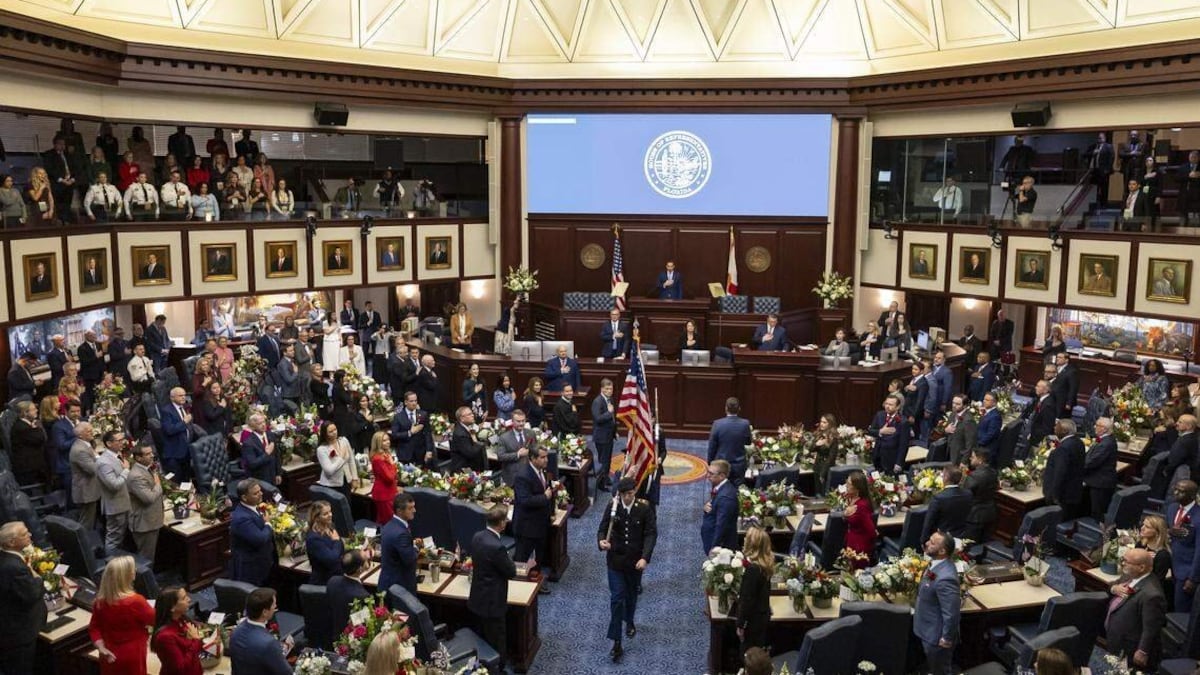
The bill, unanimously approved by the Massachusetts Senate, introduces tougher penalties for fair housing violations and mandates additional education requirements for both current and aspiring real estate professionals. It now heads to the House of Representatives for further review.
Why This Matters: Persistent Housing Discrimination in the Commonwealth
Despite long-standing laws prohibiting discrimination based on race, national origin, disability, age, religion, and income source, unfair treatment remains a clear and measurable problem in housing across Massachusetts.
A study by the Boston Foundation and Suffolk University revealed an alarming pattern: 71 percent of Black participants encountered discrimination during their housing search. Many were ignored, ghosted, or denied opportunities by real estate professionals.
Income-based discrimination remains widespread as well, especially among renters using housing vouchers who were often denied property tours or applications.
What S.2947 Means for Real Estate Agents
Current agents: Must complete an additional 2 hours of fair housing education with every license renewal cycle.
Future agents: Will be required to complete 4 hours of dedicated fair housing training before being licensed.
In addition, the bill doubles the minimum suspension for fair housing violations from 90 days to 180 days. These violations can now be submitted directly to the Board of Registration of Real Estate Brokers and Salespersons by the attorney general and various fair housing agencies.
A Step Toward Equity and Professional Accountability
Lead sponsor Senator Adam Gomez emphasized the importance of this initiative, calling fair housing a cornerstone of equity and opportunity throughout Massachusetts. He highlighted the need to ensure real estate professionals fully understand their responsibilities in upholding these essential principles.
Legislation like S.2947 underscores the growing national focus on ethics, fairness, and consumer protection within the housing market. As education requirements expand, high-quality professional training becomes increasingly important.
What This Means for Professionals in Training
Whether you are renewing your license or preparing for your very first real estate exam, one thing is clear: the industry is raising the bar. States nationwide continue to increase educational requirements, and staying ahead of these changes is one of the smartest moves an agent can make.
Schools like Cameron Academy have long prioritized comprehensive, success-focused education that prepares students not just to pass exams, but to excel ethically in the real world. Our flexible curriculum helps future agents stay aligned with evolving standards without unnecessary stress.
To dive deeper into the ongoing conversation around Massachusetts housing reform, visit the original report at Boston Agent Magazine. Stay tuned as we continue to track this important bill as it moves through the House.
More Articles
Getting licensed or staying ahead in your career can be a journey—but it doesn’t have to be overwhelming. Grab your favorite coffee or tea, take a moment to relax, and browse through our articles. Whether you’re just starting out or renewing your expertise, we’ve got tips, insights, and advice to keep you moving forward. Here’s to your success—one sip and one step at a time!
Artificial intelligence has shifted from futuristic idea to everyday assistant for real estate professionals. Instead of replacing agents, AI now enhances their workflows—automating repetitive tasks, improving communication, strengthening branding, and turning complex market data into clear insights. From smarter CRMs to AI-powered marketing tools, today’s agents can focus more on relationships and client service while technology handles the busywork behind the scenes.
A Florida House committee is advancing a bill that would crack down on insurers shifting profits to affiliated companies — a practice highlighted by recent investigative reporting. With premiums soaring and options shrinking, the proposed oversight could reshape the state’s insurance landscape and create ripple effects across the real estate market, impacting buyers, agents, and investors statewide.
Proptech podcast *Tangent* marks its 100th episode with an inside look at Airbnb’s evolving role in multifamily housing. Featuring Airbnb Real Estate Marketing Leader Eliza Lochner, the episode explores the rapid growth of Airbnb‑friendly apartments, the rise of flexible‑living models, and why renters and property owners are increasingly embracing hosting as a way to balance affordability, transparency, and control. For today’s real estate professionals—especially in fast‑changing markets like Florida—the conversation highlights major shifts in tenant expectations, property management strategies, and the intersection of technology, hospitality, and residential development.
A Tampa Heights homeowner has joined the growing wave of Floridians dropping property insurance altogether after his 2026 renewal skyrocketed to $14,523. With up to 20% of residents now going bare, experts warn that soaring rates, shrinking coverage options, and post‑storm losses are pushing many to take risky measures — even as alternatives like liability‑only plans, dropped wind coverage, or home‑hardening upgrades may offer relief.
A major ERAS overhaul is coming in 2027, replacing the familiar “publications” field with a more rigorous category called “scholarly works.” Only peer‑reviewed submissions—such as manuscripts, abstracts, book chapters, and presentations—will qualify, shifting greater emphasis toward high‑quality research. While the change aims to give residency directors clearer insight into applicants’ academic contributions, many students worry that advocacy and policy work may lose visibility. As programs lean more heavily on research output in a post–Step 1 pass/fail era, future applicants will need to showcase not just what they’ve produced, but the depth and meaning behind it.
Mortgage rates have ticked back up to 6.25% after a brief dip, signaling a return to stability in the housing market. With rising inventory, moderating prices, and forecasts calling for steady rates through 2026, real estate and finance professionals can expect a more predictable environment ahead. This shift opens the door to smoother transactions, improved buyer confidence, and stronger opportunities for career growth across mortgage, real estate, insurance, and related fields.