“`html

Instagram SEO: A Game-Changer for Social Media Visibility

In the ever-evolving world of social media, Instagram remains a powerhouse with over 2 billion active users monthly. As users increasingly turn to the platform’s search engine to discover brands and content, mastering Instagram SEO has become essential for businesses aiming to boost their visibility and engagement.
Hootsuite’s recent article, “Instagram SEO made easy: Expert tips + a free tool for success”, penned by social media strategist Laura Wong, delves into the intricacies of optimizing Instagram content for search. The piece highlights the significance of Instagram SEO and offers practical steps to enhance a brand’s presence on the platform.
What is Instagram SEO?
Instagram SEO refers to the practice of tailoring your content to achieve maximum discoverability in search results. By optimizing content with relevant keywords and hashtags, businesses can increase their reach organically without relying on paid advertisements. Hootsuite’s free Instagram SEO tool aids in crafting SEO-optimized captions, further enhancing a brand’s visibility.

Key Strategies for Instagram SEO

The article outlines several strategies to effectively optimize Instagram content:
  • Understand Your Audience: Conduct thorough research to identify the keywords your target audience uses when searching for your products or services.
  • Keyword and Hashtag Research: Utilize tools like Google Trends and Hootsuite’s Social Listening to discover trending keywords and hashtags relevant to your brand.
  • Incorporate Keywords: Naturally weave keywords into captions, titles, and alt text to improve searchability.
Moreover, the article emphasizes the importance of avoiding common SEO mistakes such as keyword stuffing and using irrelevant keywords. Instead, businesses should focus on creating engaging content that resonates with their audience.

Instagram’s SEO Ranking Factors

According to Instagram, the platform considers several factors when ranking content in search results:
  1. Search Text: The keywords users type in the search bar play a crucial role in determining relevant results.
  2. User Activity: Instagram prioritizes content from accounts and hashtags users frequently interact with.
  3. Popularity Signals: The popularity of content, determined by likes, shares, and follows, influences its ranking.
  4. Publish Date: Recent content is more likely to appear in search results.
In a video shared by Instagram chief Adam Mosseri, he provides insights on ensuring content gets recommended on the platform, highlighting the importance of adhering to Instagram’s Recommendation Guidelines.

Expert Insights on Instagram SEO

Laura Wong’s article features interviews with social media experts who share valuable tips for optimizing Instagram content. Evelina Milenova, SEO & Growth Manager at Opinion Stage, advises businesses to define their content pillars and create keyword lists to streamline the integration of relevant keywords into their content.
Ali Cameron, Disability Advocate & Creator of Seated Perspectives, emphasizes the importance of understanding the audience’s perspective when conducting keyword research. Instead of using industry jargon, businesses should focus on the language their target audience uses to describe their products or services.

Conclusion

As Instagram continues to evolve, mastering Instagram SEO is crucial for businesses seeking to expand their reach and engagement on the platform. By implementing the strategies outlined in Hootsuite’s article, brands can effectively optimize their content for search, ensuring they remain visible to their target audience.
For those looking to delve deeper into Instagram SEO, the original article on Hootsuite’s blog offers a wealth of information and resources, including a free social SEO checklist to guide businesses in optimizing their social media presence.
“`

More Articles

Getting licensed or staying ahead in your career can be a journey—but it doesn’t have to be overwhelming. Grab your favorite coffee or tea, take a moment to relax, and browse through our articles. Whether you’re just starting out or renewing your expertise, we’ve got tips, insights, and advice to keep you moving forward. Here’s to your success—one sip and one step at a time!

Commercial Real Estate Slows Again as Investors Flock to Larger, Safer Deals

November marked another cooldown for commercial real estate, with total deal volume dropping 10% year over year and falling below even 2020’s levels. While overall activity is slowing, investors are concentrating their money on bigger, more resilient assets—driving a 51% surge in deals over $100 million and pushing average transaction sizes well above historical norms. Multifamily remains the strongest sector, office deals are becoming more strategically focused, and medical office and data centers continue to outperform as long‑term demand stays solid.

Lower Rates Could Spark a Commercial Real Estate Comeback in 2026

After years of stalled activity, commercial real estate may finally be nearing a rebound. Experts say that expected interest‑rate drops in 2026 could reignite investor confidence, unlock sidelined capital, and boost deal flow across multiple sectors. But the outlook isn’t uniformly sunny—multifamily faces oversupply, industrial is cooling after years of rapid growth, and weakening employment conditions may slow absorption. For professionals across real estate, mortgage, insurance, and finance, the shifting landscape presents both challenges and major opportunities for those who stay informed and properly licensed.

Consumer Reports Warns Congress About Rising Fintech Risks in 2026

Consumer Reports delivered a major warning to Congress, highlighting how rapidly expanding fintech tools—especially AI‑driven platforms—are outpacing consumer protections. In testimony before the House Subcommittee on Digital Assets, Financial Technology and AI, CR called for stronger, clearer rules to prevent hidden fees, predatory practices, and confusion within digital financial products. For professionals in real estate, mortgages, insurance, and finance, these emerging regulations may soon influence lending decisions, underwriting, credit evaluations, and compliance expectations across the industry.

Amazon’s Massive Corporate Shakeup Signals a New Era of AI‑Driven Workforce Transformation

Amazon is preparing to cut up to 30,000 corporate jobs by mid‑2026 as it pivots aggressively toward automation and AI. Following 14,000 layoffs in late 2025, the company is eliminating layers of management to redirect billions into robotics, generative AI systems, and supercomputing partnerships. While warehouse hiring continues for seasonal demand, Amazon’s internal shift reveals a broader nationwide trend: white‑collar roles across tech, finance, logistics, and more are being reshaped by automation at unprecedented speed.

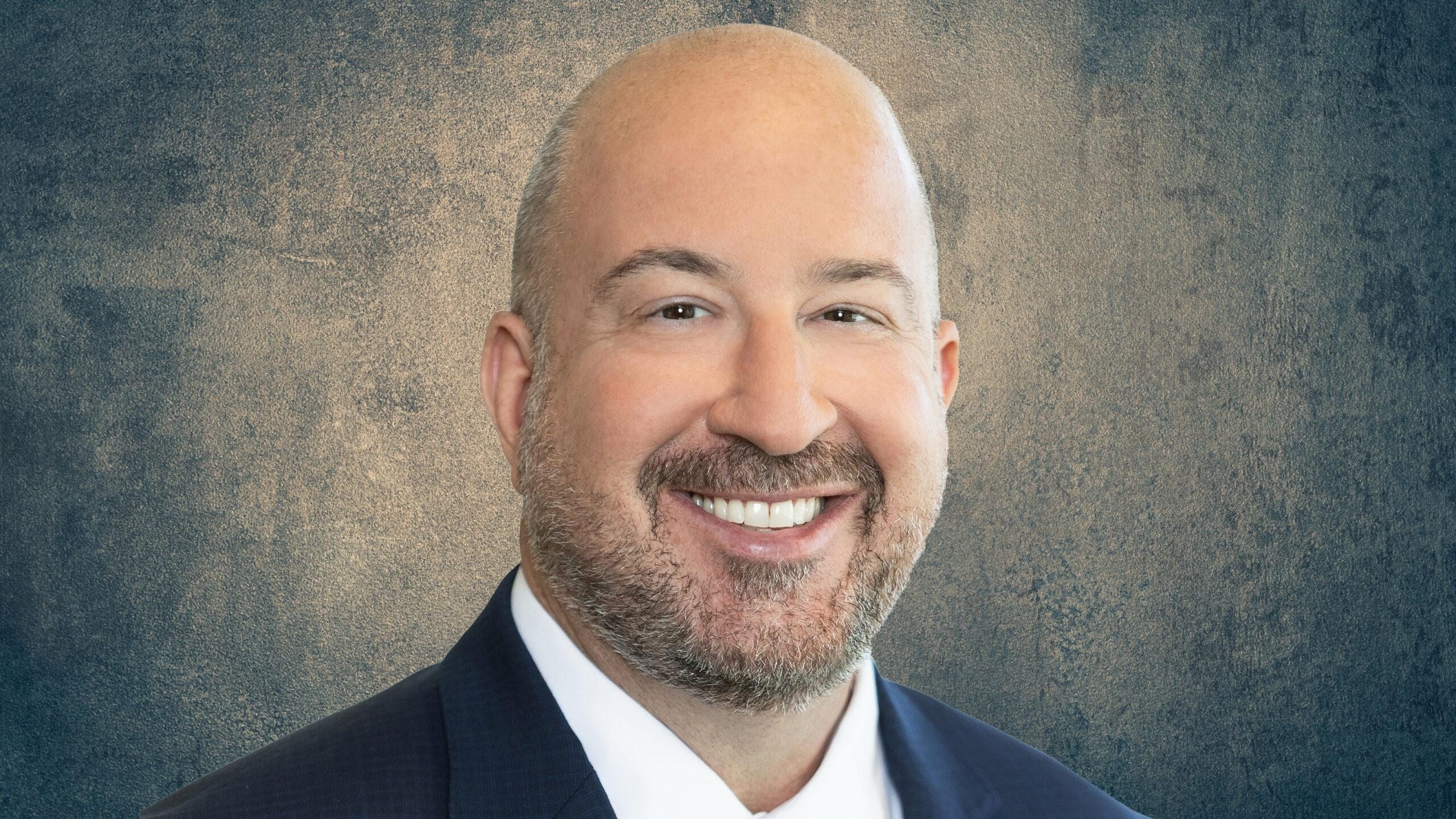
Chuck Bonfiglio Steps In as 2026 Florida Realtors President, Signaling a Year of Big Industry Shifts

Florida’s real estate market enters 2026 with new leadership at the helm as Chuck Bonfiglio, broker-owner of AAA Realty Group, is officially installed as President of Florida Realtors. With more than 230,000 members behind the association, Bonfiglio highlights affordability, insurance reform, and taxes as key priorities while expressing optimism about easing mortgage rates, stabilizing prices, and growing inventory. Backed by years of statewide and national Realtor leadership, he aims to guide professionals through another transformative year alongside a newly appointed 2026 leadership team.

Tampa’s Real Estate Market Enters Its Selective Era

Tampa isn’t cooling off—it’s getting smarter. After years of rapid expansion, the city’s commercial real estate market has shifted into a more disciplined, selective phase. Population growth remains strong, office leasing is outperforming national trends, industrial activity is normalizing sustainably, and retail is seeing renewed investor confidence. With capital becoming more cautious and health care real estate emerging as a major growth sector, Tampa is entering a new era focused on strategy, execution, and long‑term fundamentals.