In the bustling real estate market of New York City, first impressions are paramount, especially when selling a co-op or condo. As potential buyers navigate through both new condos and resales, sellers must ensure their property stands out, styled to compete with brand-new apartments. This is where the art of staging comes into play, transforming spaces to highlight their full potential and appeal to discerning buyers.

Brokers and stagers often enlist the expertise of professional photographers to capture the right angles and lighting, crucial in a city where condo developers create pristine model apartments. Michael J. Franco, a broker at Compass, emphasizes the importance of not letting a resale apartment appear lackluster. Daniela Schneider, founder of the staging company Quadra, likens staging to makeup, enhancing beauty while disguising flaws.

Whether hiring a staging pro or taking a DIY approach, certain pitfalls must be avoided. Here are some key points to consider:

  1. Not Painting the Space: A fresh coat of paint, preferably in one of the countless shades of white, can create a clean, fresh, and bright atmosphere. This is especially important given the “HGTV effect,” where buyers expect move-in-ready apartments.
  2. Installing Curtains Badly—or Not at All: Window treatments are crucial. Neutral curtains can add warmth and contrast, while improperly hung curtains can make a space feel smaller.
  3. Underestimating Lighting Fixtures: Lighting is the “jewelry of the space,” according to Schneider. Proper lighting can enhance intimacy and highlight focal points, contributing significantly to the overall ambiance.
  4. Leaving Personal Items on Display: Personal items can hinder a buyer’s ability to connect emotionally with the space. It’s essential to create a blank canvas for potential buyers to envision themselves living there.
  5. Going Too Wild with Patterns: Mismatched furniture and excessive patterns can confuse buyers. Keeping decor minimal and using color strategically can help maintain a calm and inviting atmosphere.
  6. Being Boring and Cookie-Cutter: While it’s important not to be overly eccentric, avoiding a generic, cookie-cutter look is crucial. Unique touches and calculated design risks can make a listing stand out.
  7. Ignoring Clutter: Decluttering is vital. An organized, airy space is more appealing and allows buyers to imagine their lives in the apartment.
  8. Letting the TV Dominate the Room: A large TV can detract from the room’s warmth and beauty. Consider incorporating it into a gallery wall or using creative staging techniques during open houses.
  9. Not Adding a Home Office: With remote work becoming the norm, showcasing a potential workspace is essential. A desk in the primary bedroom or other creative spaces can demonstrate functionality.
  10. Blocking Your Sightlines: Open floor plans can be challenging to navigate. Use furniture to delineate areas but avoid overcrowding, ensuring clear sightlines throughout the space.
  11. Crowding Your Space with Furniture: Large furniture can emphasize awkward layouts. Opt for smaller, sleeker pieces to maintain a bright and airy feel.
  12. Making Your Place Too Austere: While cleanliness is key, adding warmth through textures like fur throws and fresh flowers can make a space feel inviting.
  13. Foregoing Staging Entirely: Staging can be costly, but it’s a worthwhile investment. Even minimal staging can make a significant difference, as empty apartments often appear small and lack personality.
Staging is an art that balances creativity and strategy, aiming to make a property more inviting and exciting than others on the market. By avoiding these common mistakes, sellers can enhance their chances of securing a sale in the competitive NYC real estate landscape. For more insights and detailed tips, visit the original article on Brick Underground.

More Articles

Getting licensed or staying ahead in your career can be a journey—but it doesn’t have to be overwhelming. Grab your favorite coffee or tea, take a moment to relax, and browse through our articles. Whether you’re just starting out or renewing your expertise, we’ve got tips, insights, and advice to keep you moving forward. Here’s to your success—one sip and one step at a time!

Why Today’s High Mortgage Rates Matter More Than Ever for the Housing Market

A growing share of American homeowners now carry mortgage rates above 5%—a dramatic shift that’s reshaping refinancing, inventory, and buyer behavior nationwide. With more than 30% of borrowers locked into rates over 5% and 20% above 6%, the market is split between owners holding on to low pandemic‑era loans and new buyers taking on higher‑rate mortgages. Federal efforts to push rates down could unlock millions of refinancing opportunities, while buyers see only modest monthly savings. For real estate professionals, understanding these rate dynamics is crucial as they increasingly drive inventory levels, affordability, and market activity.

CRE Deal Volume Dips in December, but Office Sector Stages an Unexpected Comeback

New Moody’s data shows commercial real estate deal volume slipped 20% in December, marking a second monthly decline. Yet the full year tells a different story: 2025 ended with a 17% gain, signaling a quiet but resilient recovery. The biggest surprise came from the office sector, which posted a 21% jump in activity as return‑to‑office trends and AI‑driven job growth boosted demand. Multifamily, retail, and alternative assets like data centers also saw strong momentum, giving real estate professionals a market full of fresh opportunities heading into 2026.

Florida Kicks Off 2026 With Major Auto Insurance Rate Cuts and Market Stability

Florida drivers and industry professionals are heading into 2026 with good news: auto insurance rates are dropping across the state as the market shows strong signs of stabilization. USAA leads the latest wave with a 7% average rate decrease expected in May 2026, saving members more than $125 million annually. They join several major insurers — including State Farm, Progressive, AAA, Allstate, and Florida Farm Bureau — all approving significant reductions. Officials credit recent legislative reforms, especially tort reform, for the improved loss ratios and renewed insurer confidence. With both auto and home insurance markets strengthening, Florida’s real estate, mortgage, and insurance professionals can expect more consumer confidence, smoother transactions, and expanding career opportunities.

The 2024 Housing Shortage: Why America Is Still 1.2 Million Homes Behind

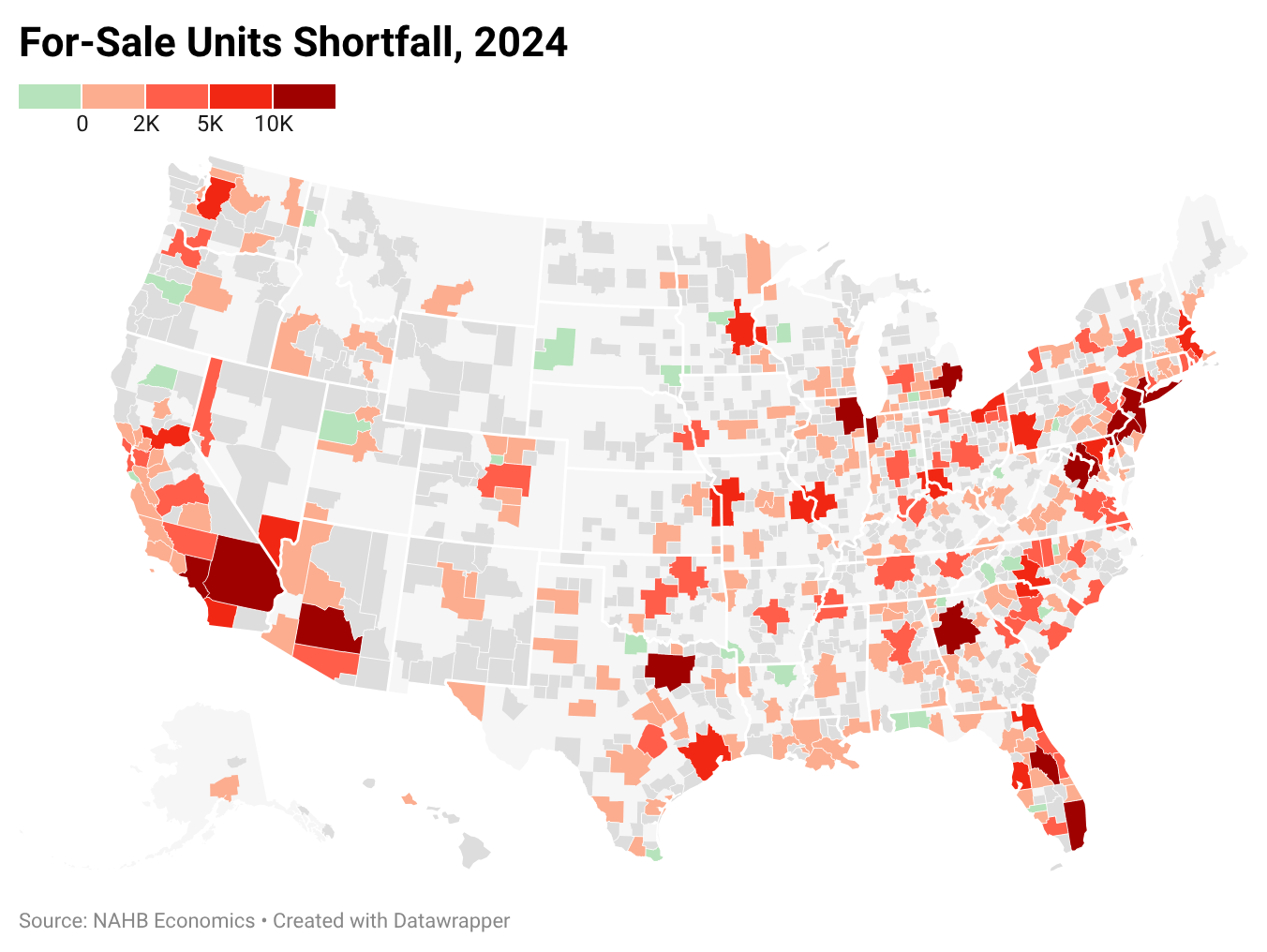
New data from Eye On Housing and the NAHB shows the U.S. remains short more than 1.2 million housing units, keeping pressure on both rents and home prices. Record‑low vacancy rates, slow single‑family construction, and restrictive zoning continue to fuel intense competition in 2024. Major metros like Chicago, New York, and Atlanta face some of the deepest deficits, and the true nationwide shortfall may be even higher when accounting for overcrowding and aging homes. For real estate professionals, the ongoing shortage means sustained demand, tighter inventory, and major opportunities for those who understand the evolving market.

AI Isn’t the Shiny Object Anymore — It’s the New System Driving Real Estate Success

Top real estate coach Jason Pantana says the divide between agents today isn’t about who has “tried” AI — it’s about who is immersed in it. In a new HousingWire interview, he explains why AI isn’t a gimmick but a full business system that amplifies output, improves authenticity, and reshapes how clients search for agents. From prompt mastery to AI‑driven visibility on Google, Pantana reveals how agents who commit even 15 minutes a day to learning AI are already outperforming those who hesitate.

DFW Commercial Real Estate 2025: Industrial Surges, Retail Shines, Office Struggles

Dallas–Fort Worth’s commercial real estate market closed 2025 with a split personality. Industrial dominated with massive new deliveries and soaring leasing demand, retail held steady with some of the market’s strongest fundamentals in years, and office continued to falter under remote‑work pressures. High vacancies, weak absorption, and rising demand for top‑tier space show the sector’s ongoing reset. Meanwhile, industrial and retail strength position the Metroplex for another powerhouse year heading into 2026.