“`html

Material Costs Surging: Implications for Housing Affordability and Construction

The housing and construction sectors are grappling with unprecedented challenges as the prices of building materials soar in 2024. This surge marks the highest year-over-year growth since early 2023, raising significant concerns about housing affordability. A multitude of factors, including supply chain disruptions, inflationary pressures, and global geopolitical issues, are exacerbating the situation. Builders are striving to mitigate the impact on consumers while safeguarding their profit margins.

The ripple effect of these price hikes is extensive. Builders are employing innovative strategies to control expenditures in response to high costs. These strategies include negotiating long-term contracts to stabilize prices, optimizing material usage, and exploring alternative sustainable building practices. Although potentially more expensive, these practices support eco-friendly construction.

Moreover, builders face additional pressure from labor shortages, affecting productivity in construction-related industries. Solutions such as advanced workforce development and enhanced compensation packages are essential to attract skilled labor. Meanwhile, the industry is adapting by prioritizing more affordable housing solutions and embracing partnerships to share costs and potential risks.

Factors Contributing to Rising Costs

  • Supply and Demand: The classic economic principle of supply and demand plays a crucial role as the demand for building materials increases while supply remains limited due to global shortages and disruptions.
  • Inflation: Inflationary pressures are contributing to higher material costs, impacting the price of construction materials.
  • Global Factors: Geopolitical tensions and trade disputes, particularly in commodities like softwood lumber, steel, and aluminum, disrupt supply chains and lead to price increases.
  • Sustainability Initiatives: The demand for eco-friendly, sustainable building materials is rising, increasing costs as these specialty materials often come with a higher price tag.

As builders adapt to these challenging economic conditions, they remain cautious of the long-term implications for homebuyer affordability and the industry’s financial health. By focusing on innovative technologies and strategic collaborations, the construction industry aims to sustain progress amid these material cost fluctuations, benefiting both consumers and businesses.

“`

More Articles

Getting licensed or staying ahead in your career can be a journey—but it doesn’t have to be overwhelming. Grab your favorite coffee or tea, take a moment to relax, and browse through our articles. Whether you’re just starting out or renewing your expertise, we’ve got tips, insights, and advice to keep you moving forward. Here’s to your success—one sip and one step at a time!

America’s Housing Affordability Crisis: A Deep Dive into 2024

The American dream of homeownership is slipping further out of reach for many as the nation grapples with a severe housing affordability crisis.

By |October 17, 2024|Categories: Article, Economic Issues, Housing Affordability|Tags: , |0 Comments

The Economic Payoff of Climate Resilience Investments

Each dollar spent on disaster preparedness can yield a remarkable $13 in savings on economic impact, damage, and cleanup costs. By investing in resilience today, we can safeguard our economic futures against the uncertainties of tomorrow.

By |October 16, 2024|Categories: Article, Climate Resilience, Economics|Tags: |0 Comments

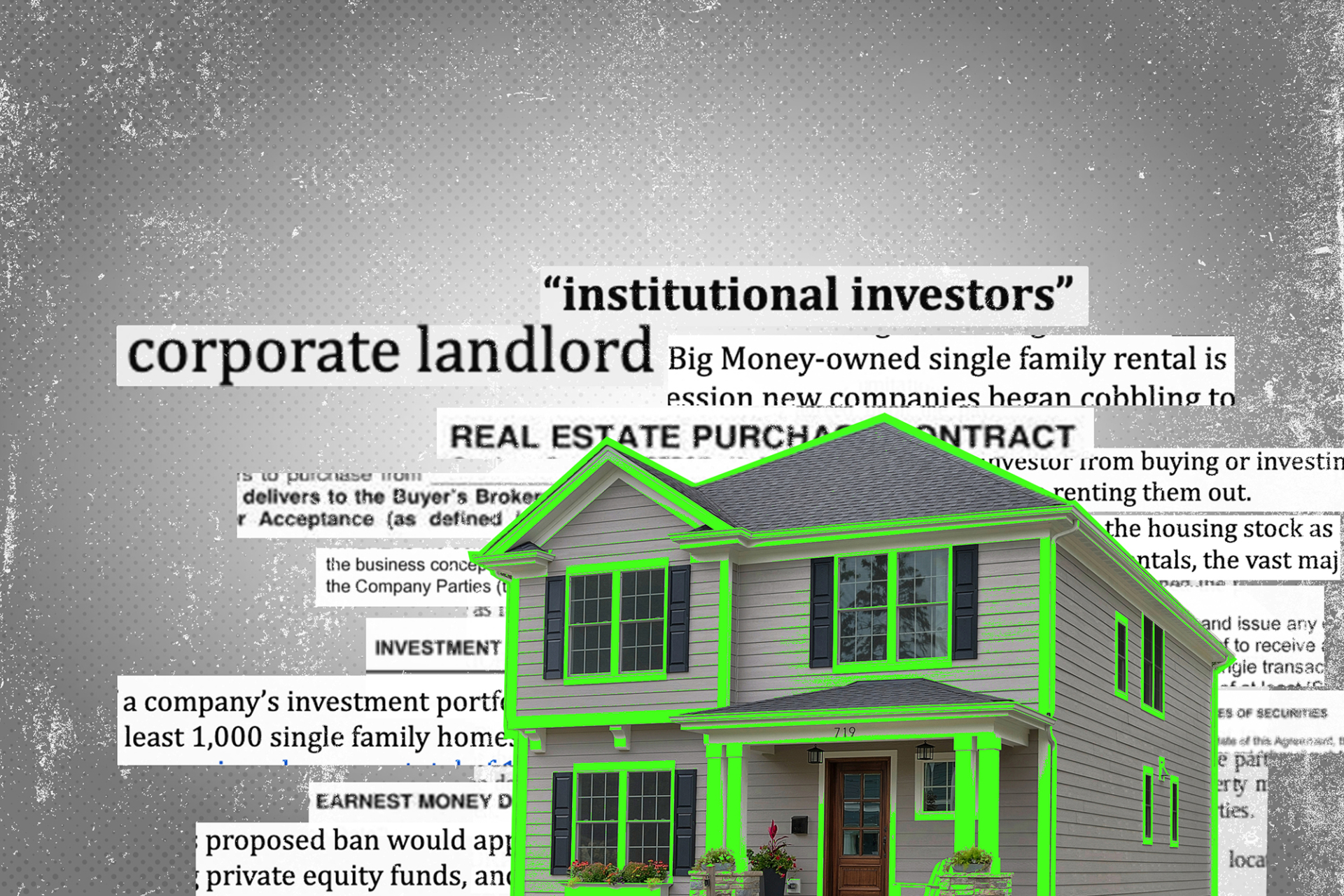
California Legislators Target Corporate Landlords in Housing Market Shake-Up

California's housing market is in the crosshairs of some of the state's most influential lawmakers, who are determined to curb the influence of institutional investors. This legislative session, at least three bills are being considered to prevent these corporate landlords from amassing a significant number of the state's single-family homes.

Proposition 33: A Pivotal Moment in California’s Rent Control Debate

Proposition 33 has sparked a heated debate. Proponents argue that repealing Costa–Hawkins would allow cities to tailor rent control measures to their unique needs, potentially easing the financial burdens on renters.

By |October 16, 2024|Categories: Article, Housing, Legislation|Tags: , |0 Comments

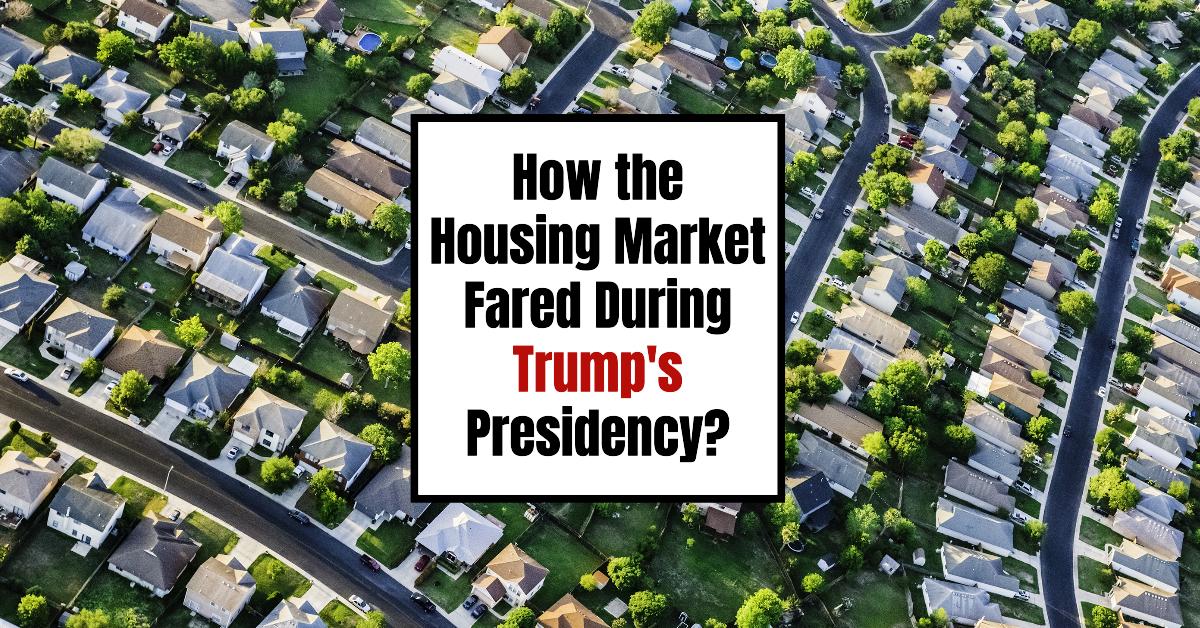
The Trump Era: A Transformative Journey in the U.S. Housing Market

The presidency of Donald Trump ushered in a period of notable shifts in the U.S. housing market, characterized by tax cuts, deregulation, and the unforeseen impact of a global pandemic. This era, marked by both growth and uncertainty, offers a complex narrative of economic policy and market dynamics.

Donald Trump’s Intricate Family Web

Donald Trump, a name synonymous with real estate, reality television, and politics, presents a complex family tapestry woven with professional and personal threads. His family, deeply enmeshed in his business ventures and political pursuits, forms a network of intricate connections.


By |October 15, 2024|Categories: Article, Family, Politics|Tags: , |0 Comments