“`html

Material Costs Surging: Implications for Housing Affordability and Construction

The housing and construction sectors are grappling with unprecedented challenges as the prices of building materials soar in 2024. This surge marks the highest year-over-year growth since early 2023, raising significant concerns about housing affordability. A multitude of factors, including supply chain disruptions, inflationary pressures, and global geopolitical issues, are exacerbating the situation. Builders are striving to mitigate the impact on consumers while safeguarding their profit margins.

The ripple effect of these price hikes is extensive. Builders are employing innovative strategies to control expenditures in response to high costs. These strategies include negotiating long-term contracts to stabilize prices, optimizing material usage, and exploring alternative sustainable building practices. Although potentially more expensive, these practices support eco-friendly construction.

Moreover, builders face additional pressure from labor shortages, affecting productivity in construction-related industries. Solutions such as advanced workforce development and enhanced compensation packages are essential to attract skilled labor. Meanwhile, the industry is adapting by prioritizing more affordable housing solutions and embracing partnerships to share costs and potential risks.

Factors Contributing to Rising Costs

  • Supply and Demand: The classic economic principle of supply and demand plays a crucial role as the demand for building materials increases while supply remains limited due to global shortages and disruptions.
  • Inflation: Inflationary pressures are contributing to higher material costs, impacting the price of construction materials.
  • Global Factors: Geopolitical tensions and trade disputes, particularly in commodities like softwood lumber, steel, and aluminum, disrupt supply chains and lead to price increases.
  • Sustainability Initiatives: The demand for eco-friendly, sustainable building materials is rising, increasing costs as these specialty materials often come with a higher price tag.

As builders adapt to these challenging economic conditions, they remain cautious of the long-term implications for homebuyer affordability and the industry’s financial health. By focusing on innovative technologies and strategic collaborations, the construction industry aims to sustain progress amid these material cost fluctuations, benefiting both consumers and businesses.

“`

More Articles

Getting licensed or staying ahead in your career can be a journey—but it doesn’t have to be overwhelming. Grab your favorite coffee or tea, take a moment to relax, and browse through our articles. Whether you’re just starting out or renewing your expertise, we’ve got tips, insights, and advice to keep you moving forward. Here’s to your success—one sip and one step at a time!

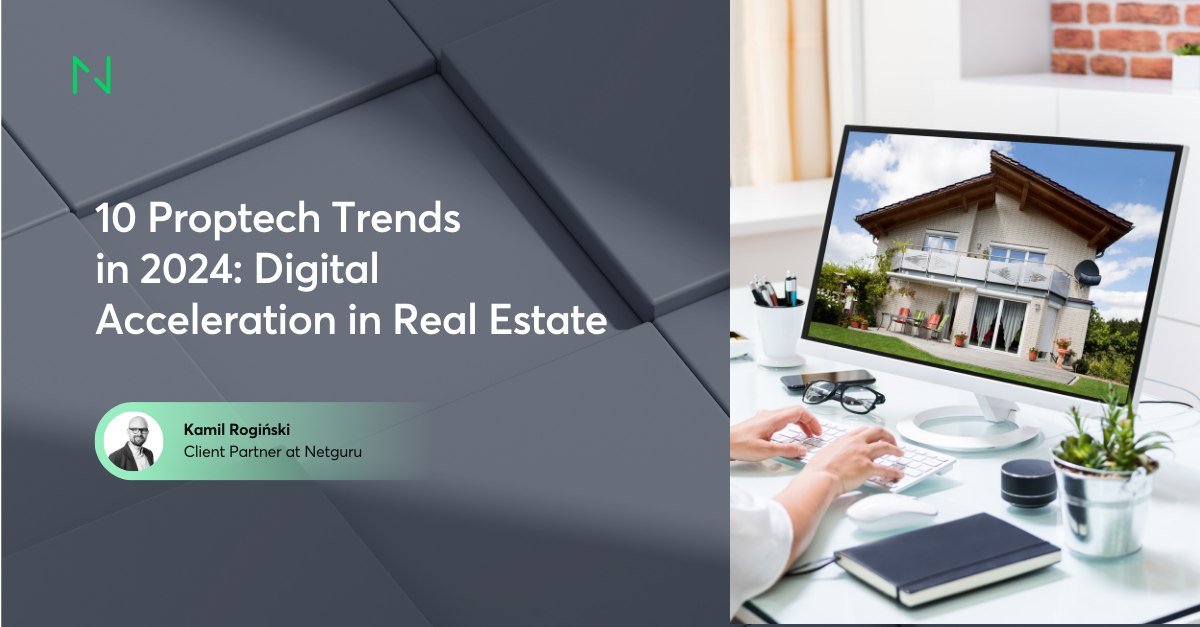
Proptech Trends 2024: How Technology is Transforming Real Estate

The real estate industry is poised on the brink of a digital revolution, as proptech trends in 2024 promise to reshape the market landscape. After a turbulent period marked by skyrocketing mortgage payments, the sector is now stabilizing, creating fertile ground for technological innovation.

By |October 13, 2024|Categories: Article, Real Estate, Technology|Tags: , |0 Comments

Exploring the Cheapest Places to Buy a House in America in 2024

As the cost of living continues to rise, finding an affordable place to call home has become a priority for many Americans. A recent analysis by Norada Real Estate Investments highlights the top 10 cheapest housing markets in the United States for 2024, providing potential homebuyers with economically viable options.

By |October 13, 2024|Categories: Article, Personal Finance, Real Estate|Tags: , |0 Comments

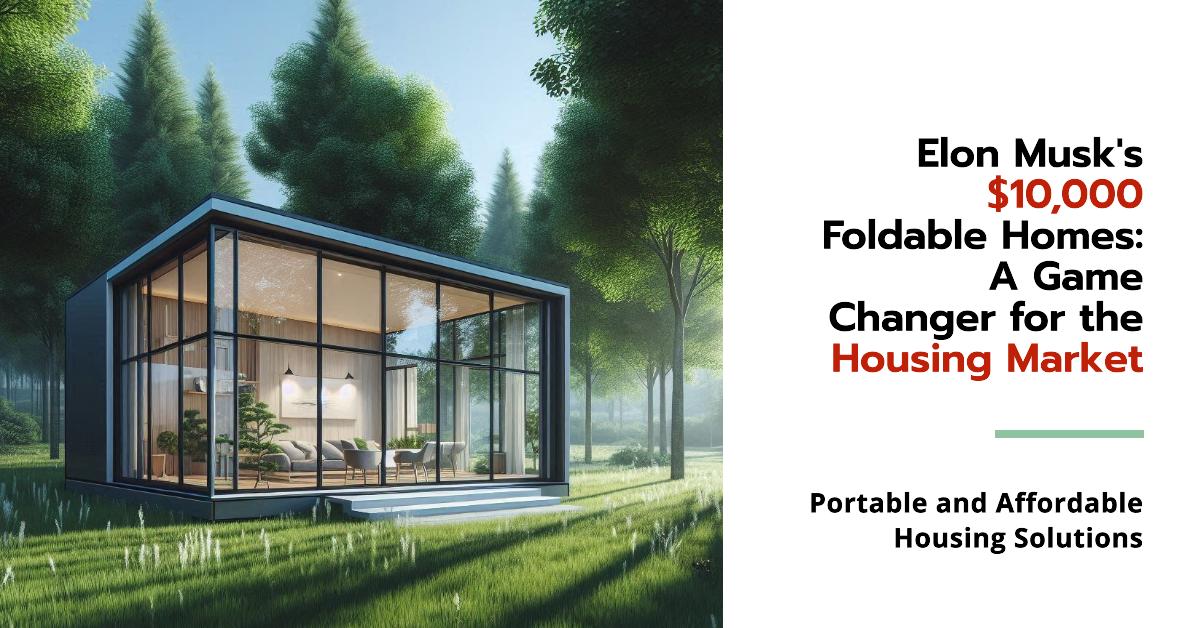
Elon Musk’s Revolutionary $10,000 Homes: A New Era in Affordable Housing

Musk's initiative could significantly reshape the housing market. By offering competitively priced, sustainable homes, the project could inspire other builders to focus on cost-effective, eco-friendly solutions. This shift might also encourage a cultural change, where smaller, more efficient homes gain popularity over traditional larger properties.

The Transformation of Real Estate in India Due to Remote Work

The real estate sector in India is experiencing a profound transformation, driven by the rise of remote working. As professionals embrace flexibility, their preferences for living spaces have evolved, impacting both residential and commercial real estate dynamics.

By |October 13, 2024|Categories: Article, Real Estate, Remote Work|Tags: , |0 Comments

The Shifting Landscape of Commercial Real Estate in 2025

The commercial real estate sector is bracing for a tumultuous year ahead, as it navigates the unpredictable waters of economic uncertainty and fluctuating interest rates.

Real Estate Investment Insights for International Buyers in the U.S.

Non-resident individuals must navigate complex U.S. tax laws and carefully choose suitable holding structures to maximize their investment and minimize risk.