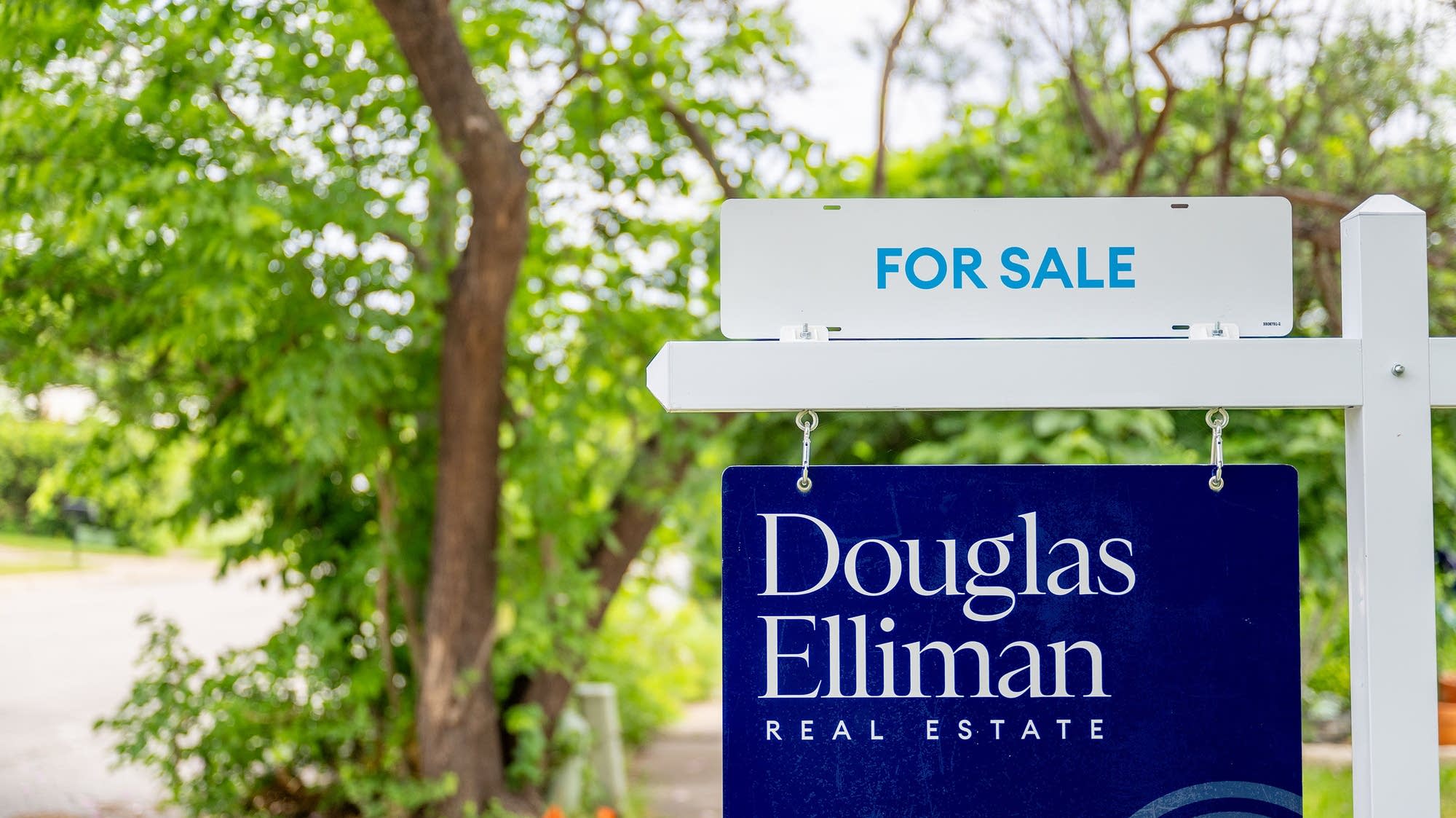
In the bustling world of real estate, even a seller’s market demands strategic finesse to fetch top dollar for your home. This is not just a transaction; it’s a calculated endeavor. According to a recent article by Bankrate, there are ten pivotal tips to ensure your property stands out and commands the highest price.

  1. Engage a Real Estate Agent: The first step is to find a local real estate agent with unparalleled knowledge of your area. Data from the National Association of Realtors highlights a stark contrast in outcomes: homes sold with a Realtor’s assistance garnered a median price of $405,000, compared to $310,000 for those without.

  2. Invest in Value-Adding Improvements: Focus on strategic enhancements like minor kitchen upgrades. As San Diego Realtor Jade Lee-Duffy suggests, “The heart of the home is the kitchen.” Simple updates like resurfacing cabinets or replacing countertops can yield significant returns.

  3. Boost Curb Appeal: First impressions are crucial. Ensure your front yard is immaculate, and consider easy updates like touching up exterior paint or adding vibrant potted plants.

  4. Conduct a Pre-Listing Inspection: A home inspection can preempt surprises that might give buyers leverage to negotiate a lower price or back out of the deal.

  5. Highlight with Professional Photos: High-quality photography can make your home stand out online. As Lee-Duffy notes, “If the photos pop, it can translate into a higher sale price.”

  6. Stage Your Home: Effective staging involves decluttering and keeping decor neutral. Consider hiring a professional stager to enhance your home’s appeal.

  7. Set the Right Asking Price: Pricing requires precision. A knowledgeable agent can help determine how much your house is worth and set a competitive price that attracts buyers.

  8. Remove Personal Items: Allow potential buyers to envision their lives in your home by minimizing personal belongings, especially if you are still living in the home.

  9. Be Ready to Move Fast: Once listed, things can move quickly. Prepare all necessary documents and be responsive to offers to avoid losing potential buyers.

  10. Use Your Head, Not Your Heart: Detach emotionally and view the sale as a business transaction. Be open to reasonable concessions to avoid losing a buyer.

In the competitive realm of real estate, these strategies, as detailed by Bankrate, can be the difference between a good sale and a great one. The original article serves as a comprehensive guide for sellers aiming to maximize their home’s value in today’s market.


More Articles

Getting licensed or staying ahead in your career can be a journey—but it doesn’t have to be overwhelming. Grab your favorite coffee or tea, take a moment to relax, and browse through our articles. Whether you’re just starting out or renewing your expertise, we’ve got tips, insights, and advice to keep you moving forward. Here’s to your success—one sip and one step at a time!

Emerging Greenhouse Risks and Insurance Trends Shaping 2026

The greenhouse industry is entering 2026 with a complex wave of overlapping risks — from rising insurance costs and extreme weather to cyber threats, labor shortages, and unstable supply chains. These challenges aren’t isolated; they compound one another, increasing pressure on growers and business owners alike. Insights from industry experts reveal the key trends shaping risk management in the year ahead and what operators must do now to stay resilient.

Bank Regulations Are Shifting — How New FDIC Rules Are Reshaping Commercial Real Estate

New FDIC reporting rules are changing how banks classify and disclose commercial real estate loans, replacing the old Troubled Debt Restructuring label with clearer “financial difficulty” modifications and expanding transparency across structured products and capital requirements. These updates may briefly tighten lending but ultimately promise stronger liquidity, cleaner risk data, and more predictable CRE financing as banks adapt.

AI in Real Estate: The Market Shift Every Professional Must Prepare For

Artificial intelligence is no longer an upcoming trend—it's already reshaping how real estate professionals work, compete, and win. With the AI real estate sector set to surge from $222B in 2024 to nearly $1T by 2029, the industry is undergoing a rapid transformation in valuations, virtual tours, listings, investment analysis, and client management. Agents and investors who embrace AI tools are gaining unprecedented efficiency and insight, while those who resist risk falling behind.

The 50‑Year Mortgage Debate: Lifeline for Buyers or Decades of Debt?

The Federal Housing Finance Agency is weighing the idea of 50‑year mortgages, a move that could make monthly payments more affordable but dramatically increase total interest costs. Supporters say it may help young professionals break into the housing market, while critics warn it could trap families in half a century of debt. As the industry debates this controversial loan option, real estate and mortgage professionals must stay informed to guide clients through the shifting landscape.

December Mortgage Outlook: Why Rates May Rise Despite Market Confusion

December is shaping up to be another unpredictable month for mortgage rates. With the Federal Reserve signaling mixed messages, key economic reports running behind schedule, and lenders already looking ahead to 2026, rates could face upward pressure. Experts from Fannie Mae and the MBA project an average 30‑year rate around 6.3% for late 2025, suggesting a potential December bump. For real estate and mortgage professionals, understanding this volatility isn’t just helpful — it’s a competitive edge.

The Housing Market Hits a Winter Chill

Sellers are cutting prices at record levels, delistings are surging to highs not seen since 2017, and buyers remain hesitant despite slightly lower mortgage rates. With affordability still strained and new construction slowing, the 2025 housing market is entering a deeper‑than‑usual winter slowdown marked by caution on all sides.