In the bustling world of real estate, even a seller’s market demands strategic finesse to fetch top dollar for your home. This is not just a transaction; it’s a calculated endeavor. According to a recent article by Bankrate, there are ten pivotal tips to ensure your property stands out and commands the highest price.

  1. Engage a Real Estate Agent: The first step is to find a local real estate agent with unparalleled knowledge of your area. Data from the National Association of Realtors highlights a stark contrast in outcomes: homes sold with a Realtor’s assistance garnered a median price of $405,000, compared to $310,000 for those without.

  2. Invest in Value-Adding Improvements: Focus on strategic enhancements like minor kitchen upgrades. As San Diego Realtor Jade Lee-Duffy suggests, “The heart of the home is the kitchen.” Simple updates like resurfacing cabinets or replacing countertops can yield significant returns.

  3. Boost Curb Appeal: First impressions are crucial. Ensure your front yard is immaculate, and consider easy updates like touching up exterior paint or adding vibrant potted plants.

  4. Conduct a Pre-Listing Inspection: A home inspection can preempt surprises that might give buyers leverage to negotiate a lower price or back out of the deal.

  5. Highlight with Professional Photos: High-quality photography can make your home stand out online. As Lee-Duffy notes, “If the photos pop, it can translate into a higher sale price.”

  6. Stage Your Home: Effective staging involves decluttering and keeping decor neutral. Consider hiring a professional stager to enhance your home’s appeal.

  7. Set the Right Asking Price: Pricing requires precision. A knowledgeable agent can help determine how much your house is worth and set a competitive price that attracts buyers.

  8. Remove Personal Items: Allow potential buyers to envision their lives in your home by minimizing personal belongings, especially if you are still living in the home.

  9. Be Ready to Move Fast: Once listed, things can move quickly. Prepare all necessary documents and be responsive to offers to avoid losing potential buyers.

  10. Use Your Head, Not Your Heart: Detach emotionally and view the sale as a business transaction. Be open to reasonable concessions to avoid losing a buyer.

In the competitive realm of real estate, these strategies, as detailed by Bankrate, can be the difference between a good sale and a great one. The original article serves as a comprehensive guide for sellers aiming to maximize their home’s value in today’s market.


More Articles

Getting licensed or staying ahead in your career can be a journey—but it doesn’t have to be overwhelming. Grab your favorite coffee or tea, take a moment to relax, and browse through our articles. Whether you’re just starting out or renewing your expertise, we’ve got tips, insights, and advice to keep you moving forward. Here’s to your success—one sip and one step at a time!

Florida’s Long‑Standing Condo Lending Restrictions May Finally End This December

After nearly 20 years under uniquely harsh lending rules, Florida may finally see its condo market freed from a 25% down payment requirement imposed only on the state. Industry leaders say Fannie Mae could announce changes as early as December—potentially restoring the standard 10% down payment used everywhere else in the country. Experts believe the shift would boost maintenance funding, improve affordability, and stabilize Florida’s condo market after years of strain.

Confidence Surges in Phoenix as Commercial Real Estate Rebounds in 2025

Phoenix’s commercial real estate market is shaking off years of uncertainty as broker optimism hits its highest level since interest rates began climbing. The latest ASU Commercial Broker Sentiment Index soared to 62.7, signaling strong confidence across multifamily, retail, office, and capital markets. With population growth accelerating, interest rates easing, and AI boosting industry efficiency, Phoenix is positioning itself for a powerful run into 2026—offering meaningful opportunities for both new and seasoned real estate professionals.

Michigan Lawmakers Consider Allowing All Continuing Education Hours to Be Completed Online

Michigan’s House Rules Committee heard testimony on a proposal that would let licensed professionals complete all required continuing education online. Supporters say the change would modernize outdated rules, reduce costs, and improve access for rural and busy workers. The state licensing department backs the measure, and lawmakers noted it could reshape CE options across industries from real estate to insurance and healthcare.

Florida’s Home Insurance Crisis Reaches a Breaking Point as Premiums Skyrocket

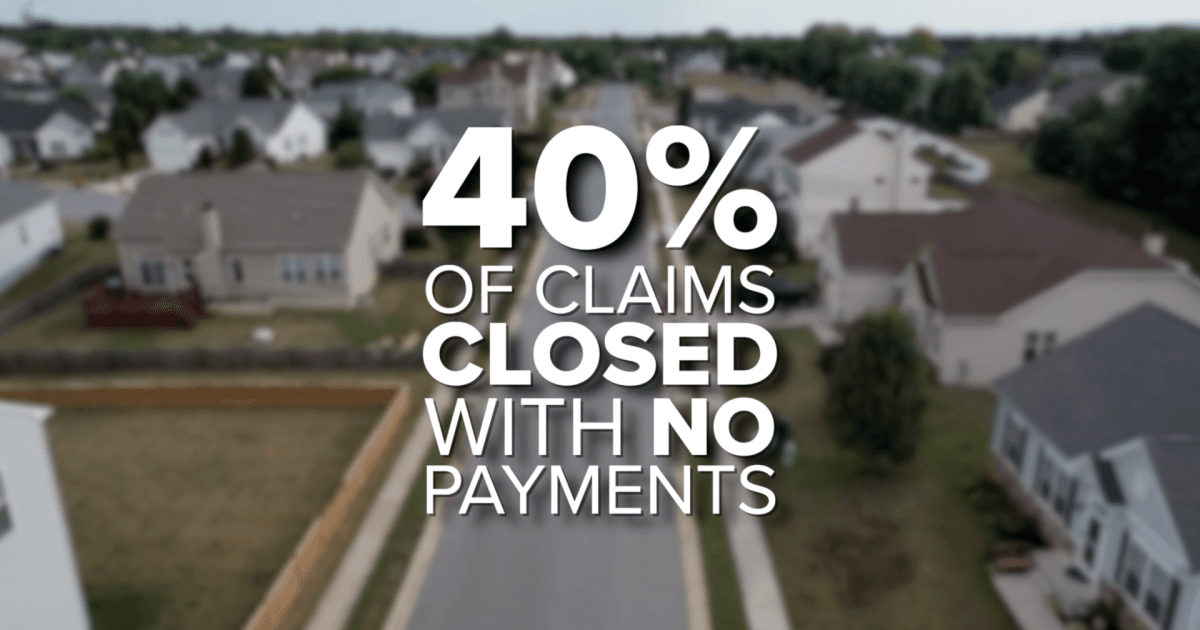
Florida homeowners are now paying an average of $5,838 per year for insurance — nearly $3,000 above the national average — making it one of the most expensive states in the country. As premiums continue to triple for some residents, many are being forced into tough decisions, from delaying home improvements to dropping coverage altogether. With more than 40% of claims closed with no payment and lawmakers pushing for aggressive reforms, the crisis is reshaping Florida’s housing market and placing growing pressure on real estate, mortgage, and insurance professionals statewide.

Griffin Funding Names John Jones SVP of Growth as It Sets Sights on $3B Non-QM Volume by 2030

Griffin Funding has elevated John Jones to Senior Vice President of Growth and EOS Integrator, marking a major step in the company’s long-term expansion strategy. Already a key operational leader since April 2025, Jones will now drive performance optimization, market expansion, and leadership development as the lender pursues an ambitious goal of reaching $3 billion in annual non-QM loan volume by 2030. His promotion underscores Griffin Funding’s commitment to scaling strategically while strengthening its position in the fast-growing non-QM space.

Why Lower Rates Still Haven’t Unlocked Commercial Real Estate

Despite recent Federal Reserve rate cuts, commercial real estate remains frozen. Long‑term Treasury yields continue to climb, keeping borrowing costs high and preventing the relief investors expected. With nearly $1 trillion in commercial loans coming due, refinancing at today’s elevated rates is squeezing owners, slowing transactions, and creating a widening gap between buyers and sellers. For patient, well‑capitalized investors, this period of recalibration may offer some of the strongest opportunities in years.