In the ever-evolving landscape of real estate investment, landlords are increasingly turning to Limited Liability Companies (LLCs) to manage their rental properties. This shift is not without reason; the benefits of forming an LLC are numerous, ranging from tax advantages to liability protection.

According to a recent article by Avail Landlord Software, forming an LLC can be a strategic move for landlords. The article, last updated on May 8, 2025, provides a comprehensive guide on the subject, emphasizing the importance of understanding state-specific regulations and fees.

Understanding the Basics of an LLC

A Limited Liability Company, or LLC, is a business structure that offers protection for the owner’s personal assets. This means that if the business incurs debt or faces a lawsuit, the owner’s personal savings and home are typically shielded from legal claims.

Benefits of Using an LLC for Rental Properties

  • Create a business bank account: This helps in separating rental transactions from personal ones.
  • Gain access to broader tax deductions: More expenses, such as maintenance or repairs, can be deducted, especially with an S-corp designation.
  • Contract work under your LLC: This improves tax deductions and limits personal liability.
  • Better manage your operations: Formalize roles such as property manager and maintenance staff.

How Is Rental Income Taxed in an LLC?

Generally, an LLC is considered a pass-through entity for tax purposes. This means the LLC itself doesn’t pay taxes on the rental income it generates. Instead, the income “passes through” the LLC and is reported on personal tax returns. This is further detailed in Avail’s article on rental income taxation.

Tax Benefits of Creating an LLC

Some key benefits include limiting personal liability, separating rental properties, enabling pass-through taxation, and simplifying estate transfers. Additionally, LLCs can expedite tax deductions for depreciation, as discussed in Avail’s article on buying rental properties through an LLC.

Best Practices for Managing Your Rental Property LLC

  • Keep Rigorous Financial Records: Maintain separate bank accounts and credit cards for your LLC to clearly differentiate between personal and business transactions.
  • Obtain Adequate Insurance: Beyond the LLC’s protection, landlord insurance is essential for covering unforeseen events.
  • Consult With Tax Professionals: Work with a CPA or tax advisor familiar with real estate and LLCs to maximize tax benefits and ensure compliance.

Conclusion

Creating an LLC for your rental property is a smart choice for property owners looking to reduce liability risk, separate assets, and take advantage of tax benefits. For those considering this move, Avail offers a suite of tools to streamline property management, ensuring compliance and efficiency.

For more detailed guidance, visit the original article on Avail’s website.

More Articles

Getting licensed or staying ahead in your career can be a journey—but it doesn’t have to be overwhelming. Grab your favorite coffee or tea, take a moment to relax, and browse through our articles. Whether you’re just starting out or renewing your expertise, we’ve got tips, insights, and advice to keep you moving forward. Here’s to your success—one sip and one step at a time!

2025 Commercial Real Estate Outlook: Navigating a New Era

The commercial real estate landscape is on the brink of transformation as leaders seek to navigate the challenges of recent years and position their organizations for future opportunities.

The Emerging Mental Health Crisis Among Healthcare Workers During the COVID-19 Pandemic

The pandemic has ushered in a wave of mental health challenges that affect healthcare workers profoundly. From the onset of COVID-19, these professionals have been at the forefront, facing immense pressure, long hours, and the constant fear of exposure.

By |December 18, 2024|Categories: Article, Healthcare Workers, Mental Health|Tags: , |0 Comments

Ethical Concerns of Large Language Models in Healthcare

Exploring the dual nature of LLMs offers substantial benefits in healthcare but also raises significant ethical concerns, underscoring the need for well-defined guidelines and human oversight.

The Role of Wearable Devices in Chronic Disease Monitoring and Patient Care: A Comprehensive Review

Wearable devices have become integral in managing chronic conditions by providing continuous health data, empowering patients and healthcare professionals with insights that were previously unattainable.

AI Training Mandates: Navigating Legal Waters in Dentistry

The integration of artificial intelligence (AI) into dental practices is more than a technological trend; it represents a seismic shift in the industry. This transformation is reshaping skill sets and prompting a thorough examination of legal and ethical implications.

By |December 17, 2024|Categories: Article, Legal, Technology|Tags: , |0 Comments

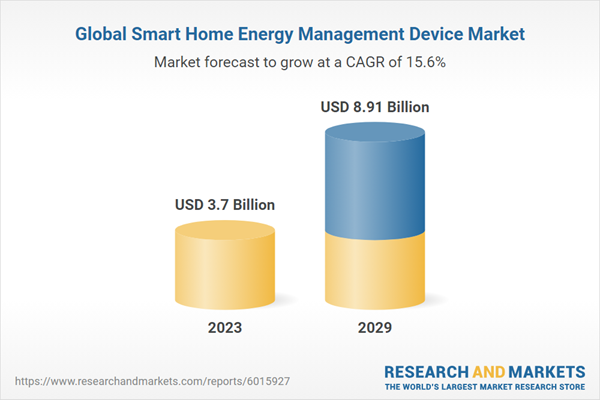
Smart Home Energy Management Devices: A Market Poised for Growth

The Global Smart Home Energy Management Device Market is on the brink of a significant transformation, driven by escalating demands for energy-efficient solutions and the increasing adoption of smart home technologies.