In the ever-evolving world of real estate, the digital landscape is reshaping how professionals connect with potential buyers and sellers. As we look ahead to 2024, the significance of a robust online presence has never been more apparent. With 96% of homebuyers relying on the internet during their property search, optimizing your real estate website is crucial for attracting new clients and building your brand.
Real Estate Lead Generation: A Digital Imperative
The HousingWire article, “6 Best Real Estate Lead Generation Websites for 2024,” underscores the importance of harnessing digital tools to stay ahead. It highlights six platforms that are setting the standard for lead generation, each offering unique features to help real estate professionals connect with their audience.
Placester: Known for its done-for-you support team and marketing services, Placester offers a starting price of $79/month. It provides IDX integration and CRM tools, making it ideal for agents looking to enhance their online presence. Visit Placester
PropertyBase: With a focus on lead scoring and creating “sticky” customer relations, PropertyBase integrates Salesforce-based CRM with IDX. Starting at $79/month, it offers robust SEO features and lead capture tools. Visit PropertyBase
Sierra Interactive: Best for advanced IDX feed integration, Sierra Interactive provides high conversion rates and supports multiple MLS feeds. Pricing requires an inquiry, but its SEO and CRM tools make it a strong contender. Visit Sierra Interactive
iNCOM: Offering cost-effective IDX integration at $49.95/month plus a setup fee, iNCOM is perfect for budget-conscious agents. It features personalized ad targeting and strong SEO capabilities. Visit iNCOM
Zillow Premier Agent: Known for matching with buyers, this platform requires no minimum monthly fee but charges per lead. It connects agents with buyers through a user-friendly dashboard. Visit Zillow Premier Agent
CINC: Ideal for hyperlocal leads, CINC offers advanced demographic targeting and a comprehensive CRM. Starting at $900, it promises a guaranteed return on investment. Visit CINC
Key Features for Success
To transform a real estate website into a lead-generating powerhouse, certain features are indispensable. These include email capture capabilities, buyer and seller-specific landing pages, CRM integration with automated drip campaigns, excellence in branding, and a mobile-friendly design.
The Full Picture
In today’s fast-paced market, staying ahead of the tech curve is not just a choice but a necessity for real estate success. The digital landscape offers abundant opportunities to connect with potential clients online. The best lead generation website depends on your unique circumstances and objectives. Assess your specific requirements, budget constraints, and target audience before choosing the right platform for your business.
In conclusion, as the real estate industry continues to evolve, embracing digital tools and strategies is essential. Whether you’re a seasoned agent or a newcomer, leveraging these platforms can significantly enhance your lead generation efforts and help you thrive in the digital age.
More Articles
Getting licensed or staying ahead in your career can be a journey—but it doesn’t have to be overwhelming. Grab your favorite coffee or tea, take a moment to relax, and browse through our articles. Whether you’re just starting out or renewing your expertise, we’ve got tips, insights, and advice to keep you moving forward. Here’s to your success—one sip and one step at a time!
A growing share of American homeowners now carry mortgage rates above 5%—a dramatic shift that’s reshaping refinancing, inventory, and buyer behavior nationwide. With more than 30% of borrowers locked into rates over 5% and 20% above 6%, the market is split between owners holding on to low pandemic‑era loans and new buyers taking on higher‑rate mortgages. Federal efforts to push rates down could unlock millions of refinancing opportunities, while buyers see only modest monthly savings. For real estate professionals, understanding these rate dynamics is crucial as they increasingly drive inventory levels, affordability, and market activity.
New Moody’s data shows commercial real estate deal volume slipped 20% in December, marking a second monthly decline. Yet the full year tells a different story: 2025 ended with a 17% gain, signaling a quiet but resilient recovery. The biggest surprise came from the office sector, which posted a 21% jump in activity as return‑to‑office trends and AI‑driven job growth boosted demand. Multifamily, retail, and alternative assets like data centers also saw strong momentum, giving real estate professionals a market full of fresh opportunities heading into 2026.
Florida drivers and industry professionals are heading into 2026 with good news: auto insurance rates are dropping across the state as the market shows strong signs of stabilization. USAA leads the latest wave with a 7% average rate decrease expected in May 2026, saving members more than $125 million annually. They join several major insurers — including State Farm, Progressive, AAA, Allstate, and Florida Farm Bureau — all approving significant reductions. Officials credit recent legislative reforms, especially tort reform, for the improved loss ratios and renewed insurer confidence. With both auto and home insurance markets strengthening, Florida’s real estate, mortgage, and insurance professionals can expect more consumer confidence, smoother transactions, and expanding career opportunities.
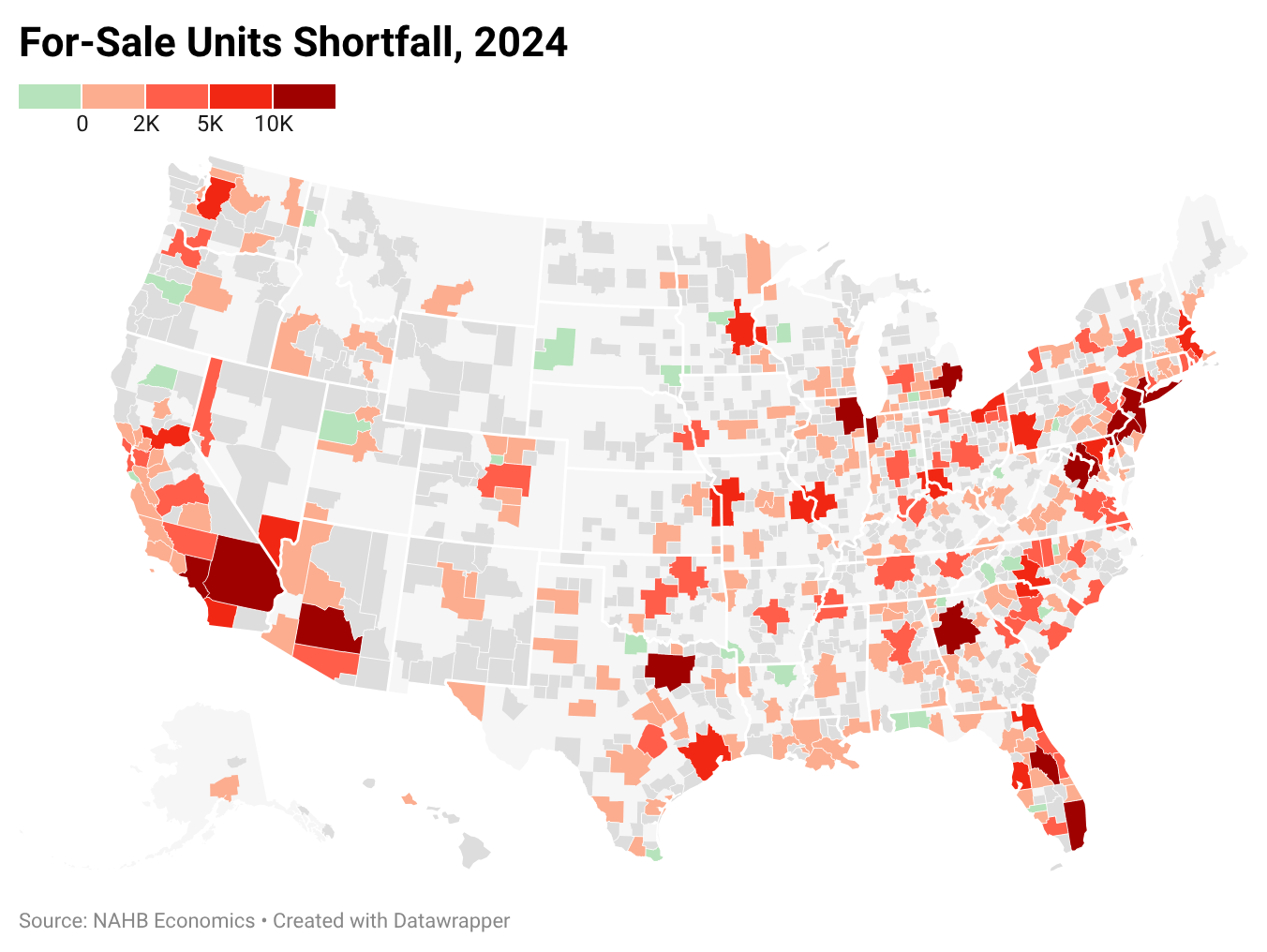
New data from Eye On Housing and the NAHB shows the U.S. remains short more than 1.2 million housing units, keeping pressure on both rents and home prices. Record‑low vacancy rates, slow single‑family construction, and restrictive zoning continue to fuel intense competition in 2024. Major metros like Chicago, New York, and Atlanta face some of the deepest deficits, and the true nationwide shortfall may be even higher when accounting for overcrowding and aging homes. For real estate professionals, the ongoing shortage means sustained demand, tighter inventory, and major opportunities for those who understand the evolving market.
Top real estate coach Jason Pantana says the divide between agents today isn’t about who has “tried” AI — it’s about who is immersed in it. In a new HousingWire interview, he explains why AI isn’t a gimmick but a full business system that amplifies output, improves authenticity, and reshapes how clients search for agents. From prompt mastery to AI‑driven visibility on Google, Pantana reveals how agents who commit even 15 minutes a day to learning AI are already outperforming those who hesitate.
Dallas–Fort Worth’s commercial real estate market closed 2025 with a split personality. Industrial dominated with massive new deliveries and soaring leasing demand, retail held steady with some of the market’s strongest fundamentals in years, and office continued to falter under remote‑work pressures. High vacancies, weak absorption, and rising demand for top‑tier space show the sector’s ongoing reset. Meanwhile, industrial and retail strength position the Metroplex for another powerhouse year heading into 2026.