Medical Schools Falling Behind in Digital Health Training

As the world of medicine continues to embrace the digital revolution, a recent study published in BMC Medical Education highlights a pressing issue: top-ranked medical schools are not adequately preparing future physicians to harness the power of Digital Health Technology (DHT). Despite the increasing prominence of technologies such as wearable devices and virtual reality in healthcare, medical curricula seem to be lagging, leaving a significant gap in the education of upcoming doctors.


Lagging Behind the Digital Curve

The study, conducted through a descriptive landscape analysis of 60 top-ranked medical schools worldwide, reveals a stark reality. Out of the 57 universities analyzed, none explicitly mentioned DHT in their mission statements, and only nine made vague references to innovation. This lack of emphasis on digital health in foundational educational documents underscores the need for a major curricular overhaul.


In the study’s second phase, researchers delved into the actual curricular offerings regarding DHT. The findings were concerning: only four universities had integrated some form of digital health education into their programs. Notable examples include Stanford University and Johns Hopkins University, which have incorporated DHT through elective courses and innovation programs emphasizing problem-based learning and multidisciplinary collaboration.


Implications for Future Physicians

This gap in digital health education poses significant implications for the future of healthcare. As technologies like wearable tech and virtual reality continue to evolve, the ability to effectively utilize these tools will be crucial for enhancing patient care. However, without structured training, future physicians may find themselves ill-equipped to leverage these advancements.


The study’s authors call for urgent curricular adjustments to bridge this educational gap. They emphasize the importance of integrating digital health and innovation into medical education to ensure that future doctors are well-prepared to meet the demands of modern healthcare.


Moving Forward

The findings of this study serve as a wake-up call for medical schools worldwide. As the healthcare landscape continues to evolve, educational institutions must adapt their curricula to keep pace with technological advancements. By doing so, they can equip future physicians with the competencies necessary to improve the quality of care and meet the needs of an increasingly digital world.


For more insights into the study, visit the original article on BMC Medical Education.

More Articles

Getting licensed or staying ahead in your career can be a journey—but it doesn’t have to be overwhelming. Grab your favorite coffee or tea, take a moment to relax, and browse through our articles. Whether you’re just starting out or renewing your expertise, we’ve got tips, insights, and advice to keep you moving forward. Here’s to your success—one sip and one step at a time!

Exploring the Top Real Estate Trends of 2024

As we navigate the ever-evolving landscape of real estate, 2024 presents a fascinating array of trends that are reshaping the industry. According to a comprehensive report by Exploding Topics, nine pivotal trends are poised to redefine the market over the next 18-24 months.

By |November 13, 2024|Categories: Article, Market Trends, Real Estate|Tags: , |0 Comments

The Rapid Evolution of Telehealth Under Medicare

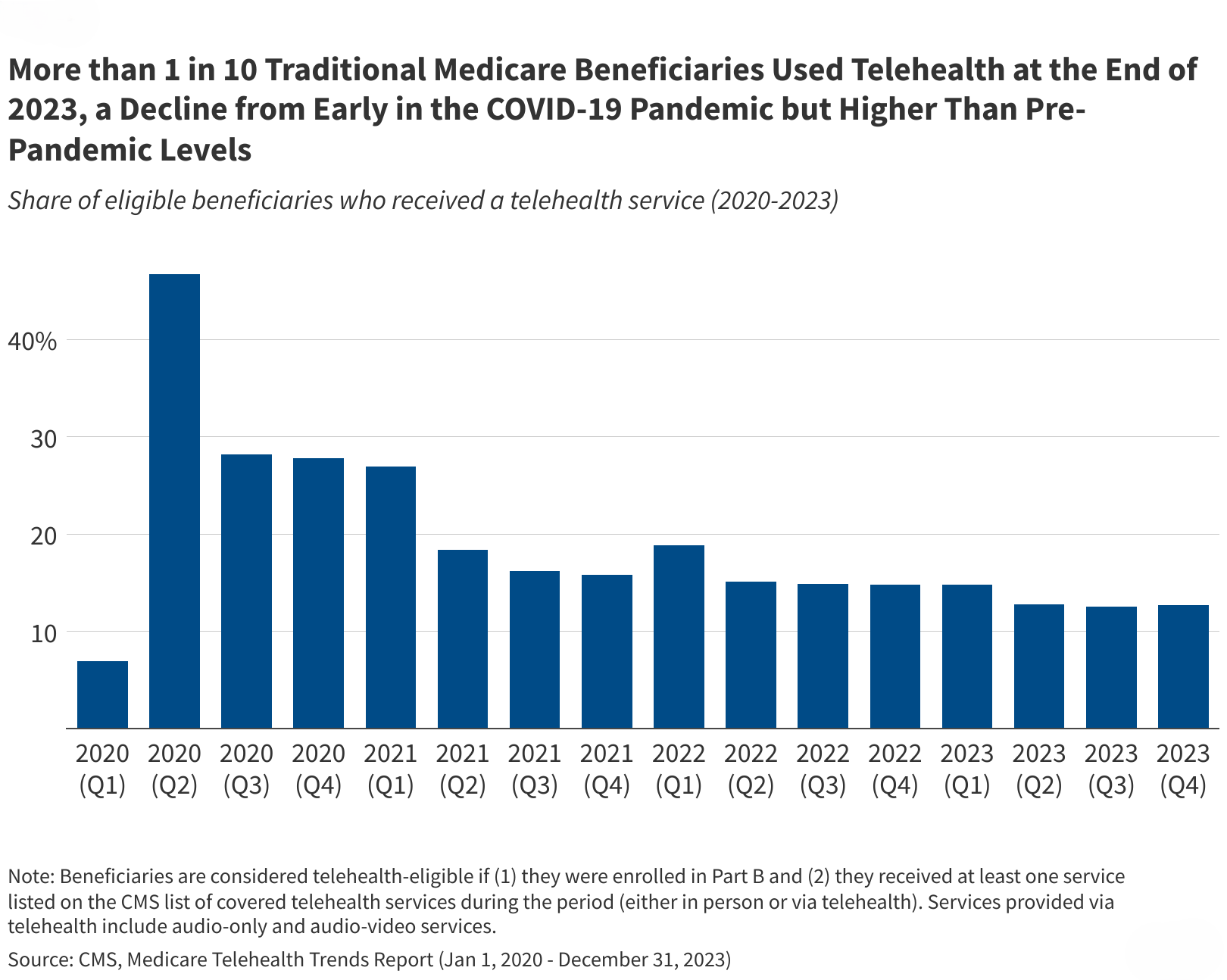
The landscape of healthcare has dramatically shifted in recent years, with telehealth emerging as a key player in the delivery of medical services. This transformation has been particularly evident in the realm of Medicare, where telehealth has seen a significant uptick in utilization.

By |November 12, 2024|Categories: Article, Healthcare, Medicare|Tags: , |0 Comments

The Rise of Central Bank Digital Currencies: Reshaping Global Finance

Central bank digital currencies (CBDCs) are reshaping the financial landscape, emerging as a pivotal innovation in the digital age. Nations such as Jamaica, Nigeria, and The Bahamas have already implemented CBDCs, signaling a new era in digital finance. Despite these hurdles, the move towards digital currencies marks a transformative phase for global economies.

By |November 12, 2024|Categories: Article, Finance, Technology|Tags: , |0 Comments

Navigating Real Estate Tactics: Protecting Your Interests

Real estate transactions often involve significant sums of money, making them prime targets for unscrupulous tactics. By being aware of these tactics and taking proactive steps, buyers and sellers can navigate the real estate market with confidence and avoid potential pitfalls.

Global Surge in Wearable Healthcare Devices Market

The global wearable healthcare devices market is on a remarkable growth trajectory, projected to escalate from USD 39.9 billion in 2023 to an impressive USD 114.8 billion by 2033.

By |November 12, 2024|Categories: Article, Healthcare, Technology|Tags: |0 Comments

Generative AI: Transforming the Real Estate Landscape

Generative AI is revolutionizing the way real estate agents, appraisers, and brokers operate. By automating tasks such as creating property descriptions and analyzing market trends, AI tools are freeing up professionals to focus on strategic, high-value responsibilities. This shift is expected to generate up to $180 billion in value for the industry.

By |November 12, 2024|Categories: Article, Real Estate, Technology|Tags: , |0 Comments