Miami-Dade County: America’s Most Competitive Rental Market

In a striking revelation, Miami-Dade County has been crowned the hottest rental market in America for 2023. This accolade comes courtesy of RentCafe’s annual report, which attributes the county’s allure to its burgeoning tech industry and a business-friendly climate.
High Demand and Lease Renewals Miami-Dade’s Rental Competitivity Index (RCI) soared to 122, outpacing other regions across the nation. This index considers factors like lease renewal rates and occupancy levels. In 2023, a remarkable 71.2% of renters opted to renew their leases, with each available rental unit attracting an average of 22 eager applicants.
Economic Magnetism The county’s dynamic tech sector is a magnet for global innovators and entrepreneurs, drawn by Miami’s lack of income tax and growth opportunities. This economic dynamism has cemented Miami as a top destination for renters, both local and international.
Rising Rents and Housing Supply Despite a 3.7% increase in housing supply, rental costs remain stubbornly high. In November, the average rent in Miami reached $3,280, placing it among the most expensive metro areas nationwide. The increased supply has not yet translated into reduced demand or rental costs.
Affordability Challenges The Miami Metro Affordability Report highlights the severe housing affordability issue in the region. Homeowners allocate a staggering 81.96% of their income to mortgage and property taxes, reflecting the gap between housing costs and income levels. Moreover, Miami’s real estate market witnessed a 6.7% price increase, the second-highest in the country, underscoring the ongoing affordability crisis.

Conclusion

Miami-Dade County’s recognition as the hottest rental market underscores the region’s economic vitality and challenges. As the tech sector continues to thrive, the demand for housing is expected to remain high, necessitating strategic planning to address affordability and sustain growth.

More Articles

Getting licensed or staying ahead in your career can be a journey—but it doesn’t have to be overwhelming. Grab your favorite coffee or tea, take a moment to relax, and browse through our articles. Whether you’re just starting out or renewing your expertise, we’ve got tips, insights, and advice to keep you moving forward. Here’s to your success—one sip and one step at a time!

Unlocking Real Estate Wealth in 2025: Strategies for Success

Step into 2025, where the real estate market emerges as a resilient beacon amidst economic unpredictability. Investors are increasingly drawn to secondary cities like Austin and Manchester, attracted by their growth potential, affordability, and enhanced quality of life.

By |February 18, 2025|Categories: Article, Investment Strategies, Real Estate|Tags: , |0 Comments

AI and Urbanization Drive Home Services Market Growth

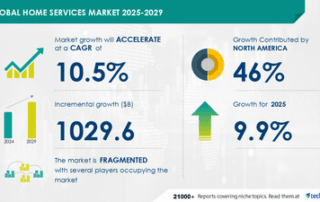
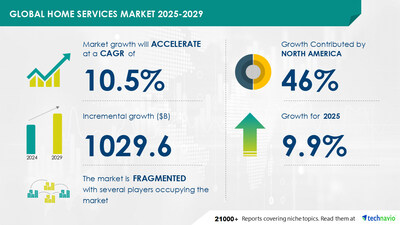
The global home services market is poised for significant growth, with projections indicating an increase of USD 1.03 trillion from 2025 to 2029. This forecasted expansion is attributed to increasing urbanization and the transformative impact of AI on market trends, according to a recent report by Technavio.

Decoding the U.S. Housing Crisis: A Study of Historic Policy Missteps and Demographic Shift

In a revealing study by USC, the roots of the current housing crisis in the United States are traced back to policy missteps and demographic changes that have been unfolding since the early 2000s. The study highlights how these factors have left millennials and people of color disproportionately affected.

Best Real Estate Crowdfunding Platforms for February 2025: Investopedia’s Top Picks

Fundrise stands out for offering investors a chance to diversify their portfolios with real estate exposure through proprietary funds. With a minimum investment as low as $10, it opens doors to beginners and seasoned investors alike.

Top Real Estate Investment Apps of 2025: A Guide for First-Time and Experienced Investors

Business Insider has reviewed a range of platforms available in 2025, focusing on key factors like fees, accessibility for accredited vs. non-accredited investors, and the types of real estate investments offered.