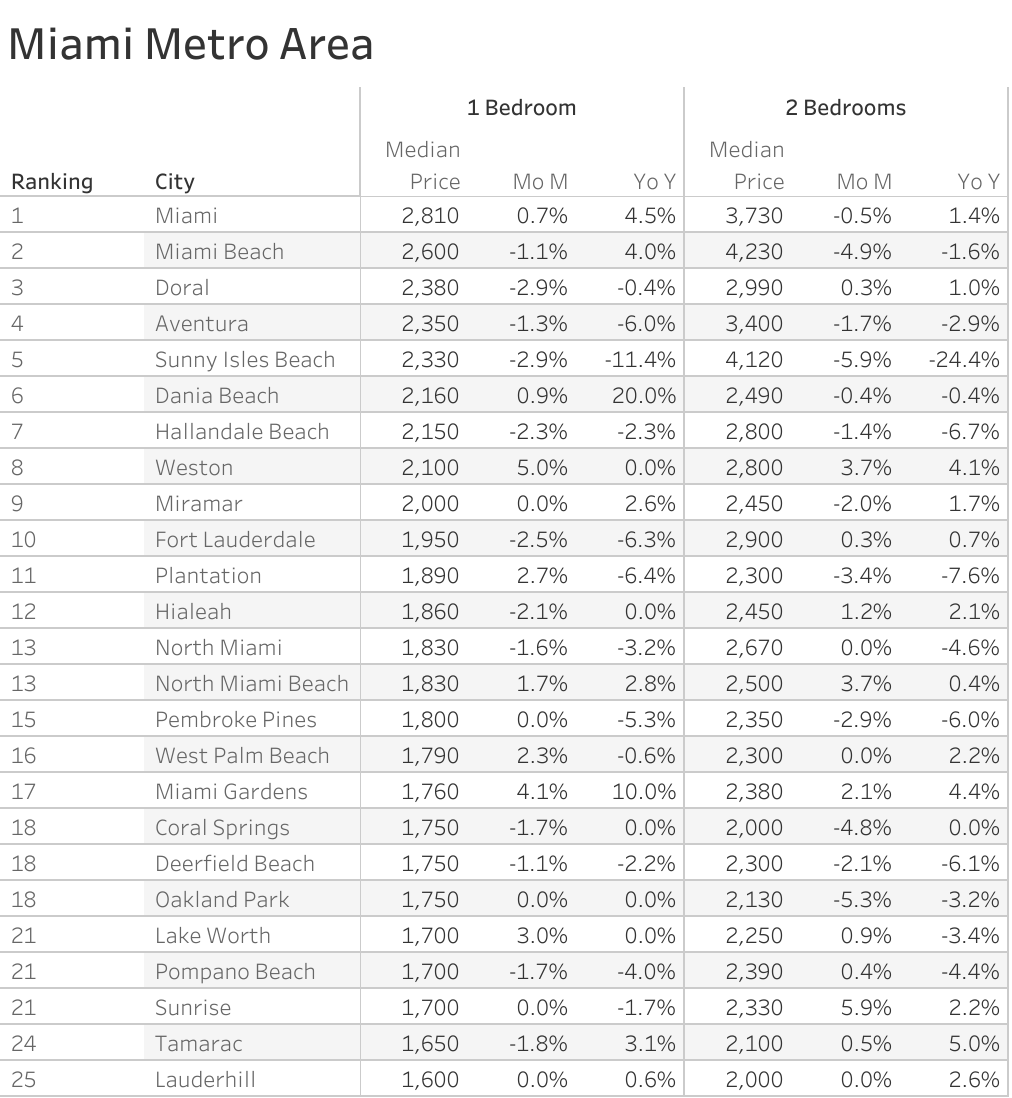
The Miami housing market continues to defy expectations with its impressive growth trajectory. According to a recent report by Norada Real Estate Investments, both single-family homes and luxury condominiums are experiencing significant sales increases, showcasing Miami’s enduring appeal despite economic fluctuations.
Rising Sales and Prices
As of August 2024, single-family home sales in Miami-Dade County have surged by 1.7% year-over-year. This uptick is part of a broader trend that has seen the market thrive in eight of the last ten months. The median sale price for these homes has also risen, reaching $640,000, marking a 3.2% increase from the previous year.
Meanwhile, the luxury condominium market is booming, with sales of properties priced at $1 million and above soaring by an astounding 122.2% compared to pre-pandemic levels. This remarkable growth is largely driven by an influx of affluent buyers seeking high-end properties in the area.
Inventory Challenges and Market Dynamics
Despite the robust sales figures, Miami faces persistent inventory challenges. The total active listings in August 2024 stood at 14,277, which is 42.2% below historical averages. This shortage has created a seller’s market, with approximately 4.7 months supply for single-family homes and 9.5 months for condominiums, both below the balanced market threshold of six to nine months.
Forecast and Investment Potential
Looking ahead, the Miami housing market is expected to maintain its upward trajectory. With recent Federal Reserve rate cuts and mortgage rates dropping to 6% as of September 2024, further buying activity is anticipated. Projections suggest mortgage rates may decline to as low as 5% by the end of 2025, creating a fertile ground for real estate investment.
The city’s population growth, bolstered by both domestic and international migration, continues to fuel demand for housing. Miami’s vibrant culture, strong economy, and international appeal make it a magnet for investors, as highlighted in the Rental Property Investing guide.
Neighborhoods on the Rise
Investors should keep an eye on neighborhoods like Downtown North and Little Haiti South, which have shown significant appreciation since 2000. These areas offer promising opportunities for those looking to capitalize on Miami’s dynamic real estate market.
For a detailed analysis and further insights, you can explore the full article on Norada Real Estate Investments.
“`
More Articles
Getting licensed or staying ahead in your career can be a journey—but it doesn’t have to be overwhelming. Grab your favorite coffee or tea, take a moment to relax, and browse through our articles. Whether you’re just starting out or renewing your expertise, we’ve got tips, insights, and advice to keep you moving forward. Here’s to your success—one sip and one step at a time!
The commercial real estate sector closed out 2025 with renewed stability, as the Real Estate Roundtable’s latest sentiment index shows rising confidence and improving market fundamentals. Executives report better access to capital, stronger performance in residential, retail, and hospitality, and early signs of recovery in the office market. With financing loosening and asset values climbing, the outlook for 2026 is increasingly optimistic, creating fresh opportunities for both seasoned professionals and newcomers preparing to enter the field.
The CFPB is proposing changes to how lenders evaluate “disparate impact” under the Equal Credit Opportunity Act, potentially tightening the scrutiny on credit decisions that unintentionally disadvantage protected groups. These updates could reshape underwriting models, lending criteria, and compliance requirements — ultimately influencing mortgage approvals, buyer qualifications, and day‑to‑day real estate activity.
Florida’s insurance crisis has become the defining issue heading into 2026, with Republicans touting recent market improvements while Democrats argue families are still being crushed by soaring premiums. From billion‑dollar auto insurance refunds to condo markets destabilized by post‑Surfside rate spikes, the state’s political divide is shaping the future of real estate, insurance, and affordability for millions.
October 2025 brought a wave of major regulatory updates across insurance, finance, and compliance. From stricter oversight on retail insurers and new FCA rules on ESG and travel insurance, to EIOPA’s EU‑wide consultations and refreshed corporate governance standards, regulators signaled higher expectations and faster change ahead. For professionals—and those pursuing licenses—these shifts directly impact risk management, product design, and consumer outcomes, making regulatory awareness a critical competitive advantage.
After nearly two years of sluggish activity, commercial real estate lending is finally accelerating—fast. New data from CBRE shows loan closings jumped 112% year‑over‑year in Q3 2025, reaching their highest level since 2018. With interest rates stabilizing and credit spreads tightening, investors are returning, banks are re‑entering the market, and multifamily financing is dominating once again. The long‑stalled deal flow is thawing, signaling renewed momentum heading into 2026.
Farmers Insurance is lifting its cap on new homeowner policies in California after two years of limiting growth, signaling a shift in the state’s strained insurance market. The expansion comes with a proposed 6.99 percent rate increase that still needs regulatory approval. Supporters call it a turning point driven by new wildfire‑risk rules, while consumer advocates warn the reforms contain loopholes and could lead to higher costs for homeowners.