Michigan Committee Hears Push to Expand Online Continuing Education for Licensed Professionals
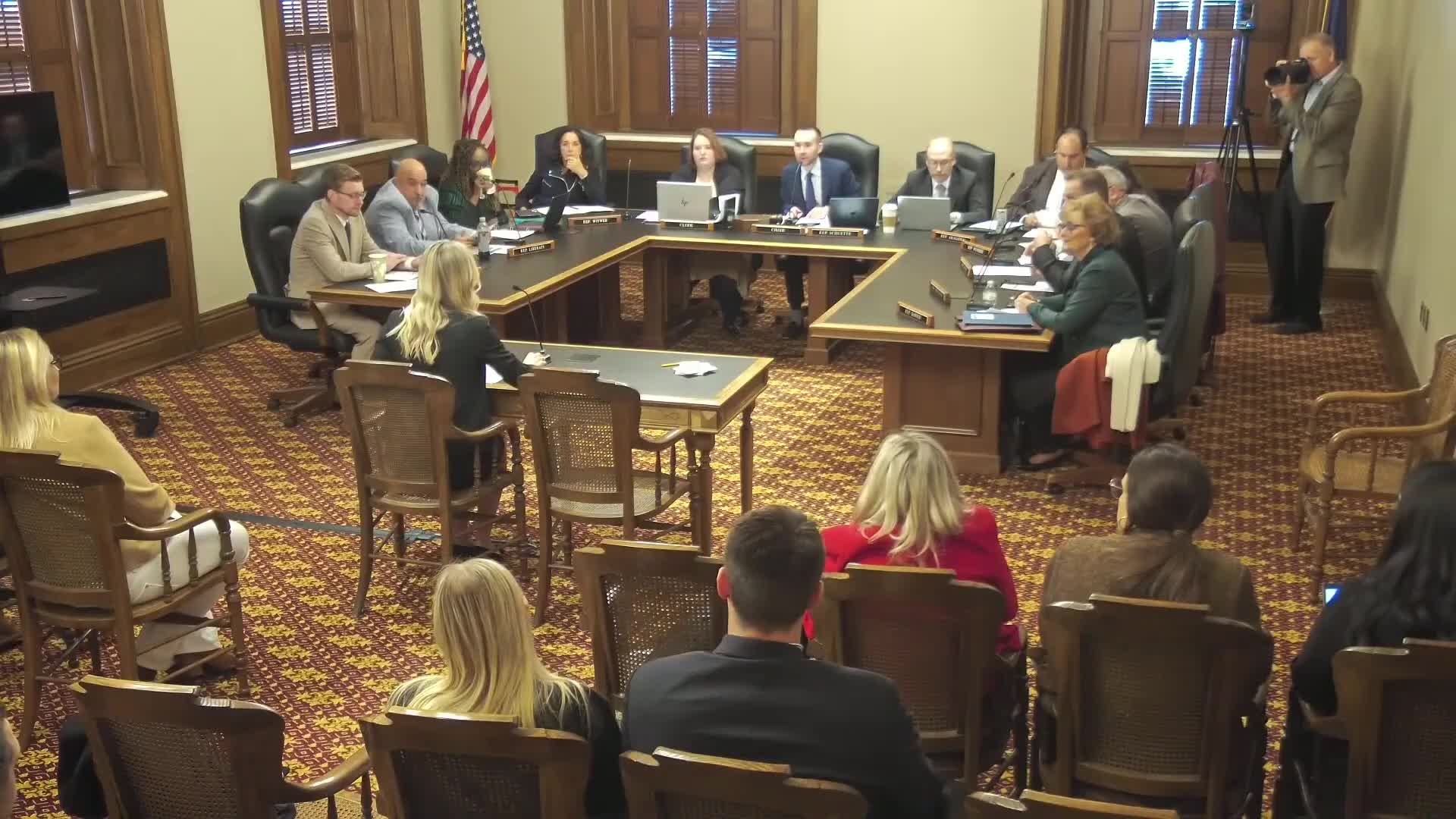
Government committee hearing

A bold proposal to modernize professional continuing education requirements took the spotlight as the House Rules Committee heard testimony on House Bill 4895, a measure introduced by Representative Linting that would allow licensed professionals to complete all of their required continuing education hours online. This marks a significant push toward flexible, accessible learning for today’s workforce.

This reform does not lower professional standards,” Linting assured committee members. “It simply allows workers the flexibility to meet them without needless barriers.” She emphasized the challenges faced by rural professionals and those balancing multiple jobs or childcare when required to attend in‑person CE sessions — including travel time, added cost, and limited scheduling options.

Linting also highlighted that several professions already allow digital CE pathways and confirmed that the state’s licensing department collaborated on the bill language. According to her testimony, LARA supports the proposal, and — importantly — the transition would not require additional rulemaking to implement.

Concerns About In‑Person Providers Addressed

Representative Martin voiced a question on many minds: Would in‑person CE providers lose business? Linting responded that she had not encountered any organized opposition and emphasized that in‑person learning will remain available for professionals who prefer the traditional classroom setting. She also offered to follow up with further details if requested.

Why This Matters for Today’s Licensed Professionals

As more professionals seek flexible ways to maintain and elevate their credentials, fully online CE options could reshape industries ranging from real estate and insurance to healthcare and finance. For busy professionals, digital access becomes a game‑changer — reducing friction, removing geographic barriers, and enhancing educational consistency.

At Cameron Academy, where we support students nationwide in completing their pre‑licensing and continuing education requirements, we see this shift firsthand. Legislation like HB 4895 is more than policy — it’s a recognition that modern professionals need modern tools. Online learning isn’t just convenient; it’s essential for a thriving, adaptive workforce.

Source: CitizenPortal.ai

More Articles

Getting licensed or staying ahead in your career can be a journey—but it doesn’t have to be overwhelming. Grab your favorite coffee or tea, take a moment to relax, and browse through our articles. Whether you’re just starting out or renewing your expertise, we’ve got tips, insights, and advice to keep you moving forward. Here’s to your success—one sip and one step at a time!

Tampa Bay Real Estate Surges Into 2026 With Stability, Growth, and a Lifestyle-Driven Boom

Tampa Bay’s real estate market is entering a rare sweet spot in 2026—balancing rising inventory, steady demand, and booming commercial development. With housing supply up to 4.3 months and prices stabilizing, the region is shifting from frenzy to sustainable growth. Population migration, modernized commercial spaces, and lifestyle-focused districts like Water Street and Midtown continue to fuel Tampa’s evolution. But even amid luxury expansion, affordability remains the top challenge shaping the next phase of opportunity for real estate professionals.

AZ Big 100 Reveals the Leaders Defining Arizona’s Commercial Real Estate in 2026

Each year, AZ Big Media spotlights the visionaries shaping Arizona’s fast‑growing commercial real estate landscape. The 2026 AZ Big 100 list highlights 50 influential builders, developers, architects, and innovators who are driving sustainable growth, expanding infrastructure, and redefining community-focused design. For professionals in real estate, construction, finance, and related fields, this roundup offers a powerful look at the leadership and trends guiding Arizona’s next era of development.

State Farm Proposes First Rate Drop in Years — A Possible Turning Point for Florida Insurance

After years of relentless premium increases, State Farm has filed for a 10% homeowners insurance rate reduction in Florida, signaling that recent legislative reforms may finally be stabilizing the state’s turbulent insurance market. This move could pressure other insurers to follow and marks one of the first meaningful signs of relief for Florida homeowners and real estate professionals.

Illinois Tightens Supplier Diversity Reporting Rules for Insurance Industry in 2026

Illinois has updated its insurance supplier diversity reporting requirements, impacting insurers, HMOs, dental plan corporations, and accredited reinsurers with at least $50 million in admitted assets. Beginning April 1, 2026, companies must use the state’s new PDF template and file through SERFF, following strict formatting rules for procurement, certification types, and diversity goals. The update signals a stronger statewide push for transparency and equitable contracting, making accurate compliance essential for insurance and finance professionals.

MrBeast Enters Fintech with Major Acquisition Aimed at Transforming Youth Money Skills

YouTube superstar MrBeast has officially moved into the world of finance with his acquisition of Step, a fast‑growing youth money management app backed by Stripe and major venture investors. Now operating under Beast Industries, Step is poised to bring modern financial tools—like credit building, investing, and budgeting—to millions of teens and young adults. With MrBeast’s massive reach and Step’s existing user base of over 7 million, this move could reshape how the next generation learns essential financial skills, giving future professionals a stronger foundation whether they pursue real estate, mortgage, insurance, finance, or any career where smart money decisions matter.

Long Island Breaks Commercial Real Estate Record with $4.1B in 2025 Deals

Long Island’s commercial market just hit an all‑time high, closing $4.1 billion in commercial real estate sales across Nassau and Suffolk counties in 2025—a 71 percent jump from the prior year. Specialty-use properties like assisted living and self‑storage led the surge, fueled by lower interest rates and renewed investor confidence.