Michigan Committee Hears Push to Expand Online Continuing Education for Licensed Professionals
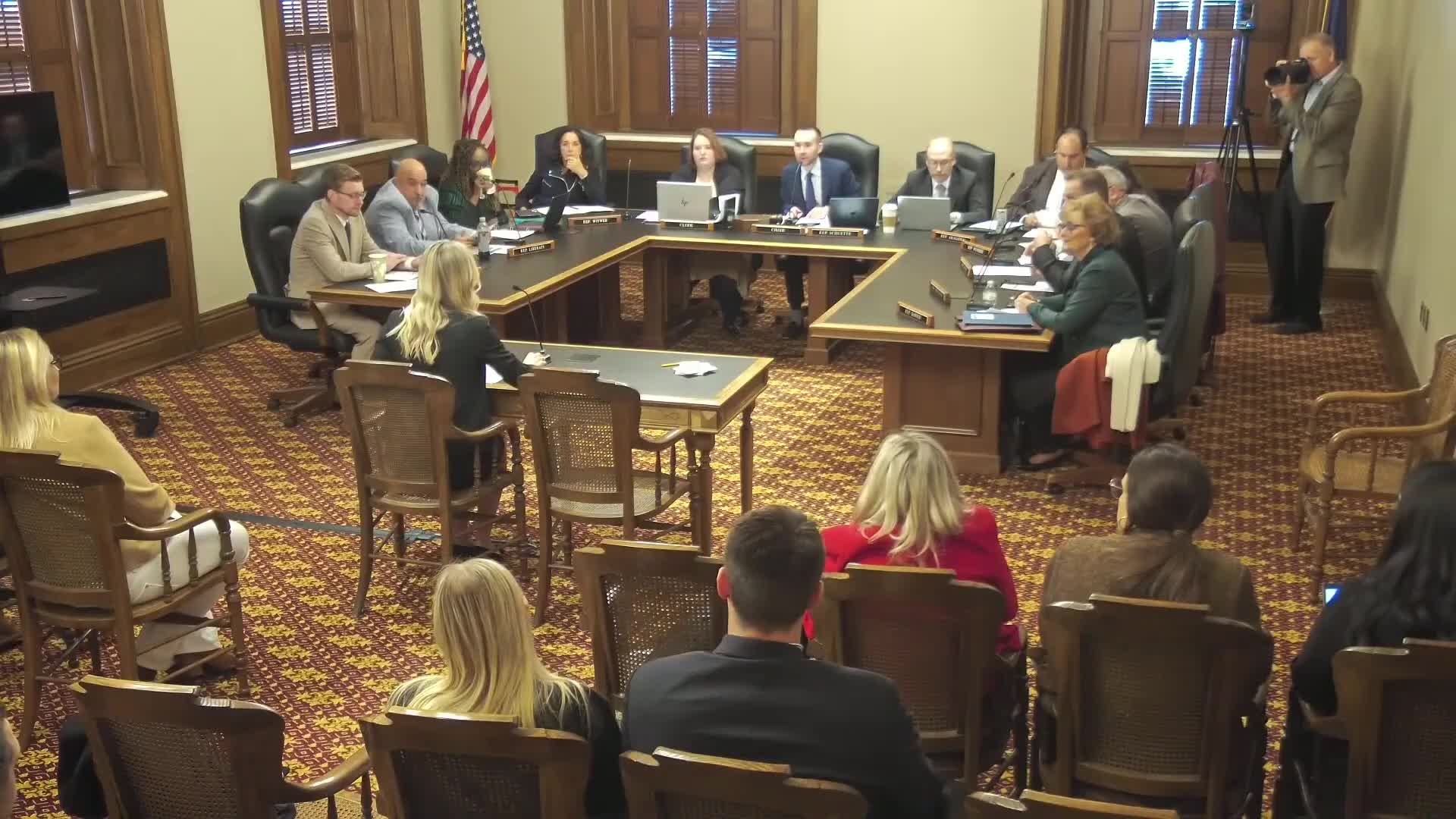
A bold proposal to modernize professional continuing education requirements took the spotlight as the House Rules Committee heard testimony on House Bill 4895, a measure introduced by Representative Linting that would allow licensed professionals to complete all of their required continuing education hours online. This marks a significant push toward flexible, accessible learning for today’s workforce.
“This reform does not lower professional standards,” Linting assured committee members. “It simply allows workers the flexibility to meet them without needless barriers.” She emphasized the challenges faced by rural professionals and those balancing multiple jobs or childcare when required to attend in‑person CE sessions — including travel time, added cost, and limited scheduling options.
Linting also highlighted that several professions already allow digital CE pathways and confirmed that the state’s licensing department collaborated on the bill language. According to her testimony, LARA supports the proposal, and — importantly — the transition would not require additional rulemaking to implement.
Concerns About In‑Person Providers Addressed
Representative Martin voiced a question on many minds: Would in‑person CE providers lose business?
Linting responded that she had not encountered any organized opposition and emphasized that in‑person learning will remain available for professionals who prefer the traditional classroom setting. She also offered to follow up with further details if requested.
Why This Matters for Today’s Licensed Professionals
As more professionals seek flexible ways to maintain and elevate their credentials, fully online CE options could reshape industries ranging from real estate and insurance to healthcare and finance. For busy professionals, digital access becomes a game‑changer — reducing friction, removing geographic barriers, and enhancing educational consistency.
At Cameron Academy, where we support students nationwide in completing their pre‑licensing and continuing education requirements, we see this shift firsthand. Legislation like HB 4895 is more than policy — it’s a recognition that modern professionals need modern tools. Online learning isn’t just convenient; it’s essential for a thriving, adaptive workforce.
Source: CitizenPortal.ai