Michigan Committee Hears Push to Expand Online Continuing Education for Licensed Professionals
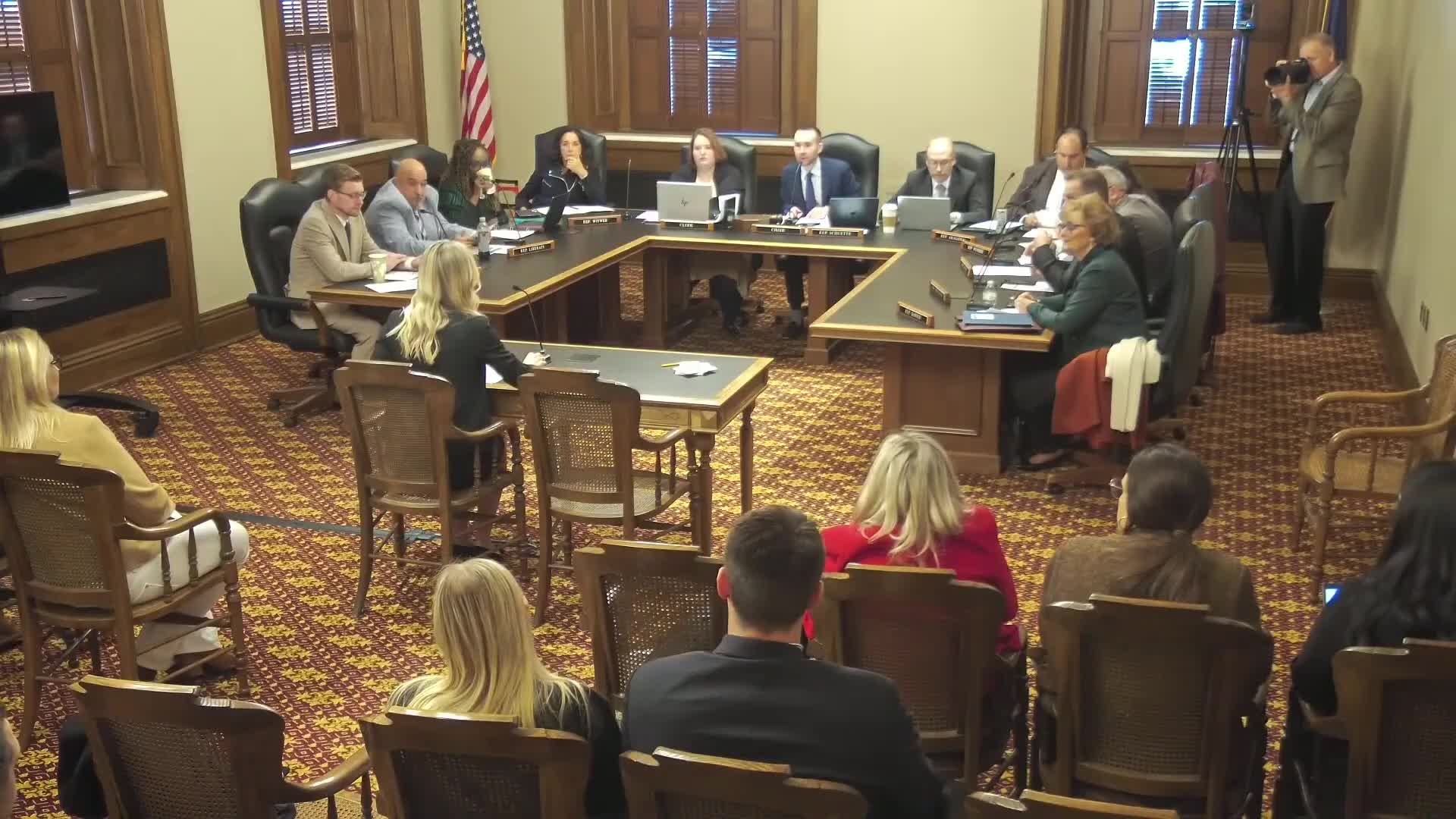
Government committee hearing

A bold proposal to modernize professional continuing education requirements took the spotlight as the House Rules Committee heard testimony on House Bill 4895, a measure introduced by Representative Linting that would allow licensed professionals to complete all of their required continuing education hours online. This marks a significant push toward flexible, accessible learning for today’s workforce.

This reform does not lower professional standards,” Linting assured committee members. “It simply allows workers the flexibility to meet them without needless barriers.” She emphasized the challenges faced by rural professionals and those balancing multiple jobs or childcare when required to attend in‑person CE sessions — including travel time, added cost, and limited scheduling options.

Linting also highlighted that several professions already allow digital CE pathways and confirmed that the state’s licensing department collaborated on the bill language. According to her testimony, LARA supports the proposal, and — importantly — the transition would not require additional rulemaking to implement.

Concerns About In‑Person Providers Addressed

Representative Martin voiced a question on many minds: Would in‑person CE providers lose business? Linting responded that she had not encountered any organized opposition and emphasized that in‑person learning will remain available for professionals who prefer the traditional classroom setting. She also offered to follow up with further details if requested.

Why This Matters for Today’s Licensed Professionals

As more professionals seek flexible ways to maintain and elevate their credentials, fully online CE options could reshape industries ranging from real estate and insurance to healthcare and finance. For busy professionals, digital access becomes a game‑changer — reducing friction, removing geographic barriers, and enhancing educational consistency.

At Cameron Academy, where we support students nationwide in completing their pre‑licensing and continuing education requirements, we see this shift firsthand. Legislation like HB 4895 is more than policy — it’s a recognition that modern professionals need modern tools. Online learning isn’t just convenient; it’s essential for a thriving, adaptive workforce.

Source: CitizenPortal.ai

More Articles

Getting licensed or staying ahead in your career can be a journey—but it doesn’t have to be overwhelming. Grab your favorite coffee or tea, take a moment to relax, and browse through our articles. Whether you’re just starting out or renewing your expertise, we’ve got tips, insights, and advice to keep you moving forward. Here’s to your success—one sip and one step at a time!

PropTech Funding Soars to $16.7B as Real Estate Enters a New Era of AI-Driven Innovation

PropTech investment surged nearly 68% in 2025, hitting a massive $16.7 billion and surpassing pre-pandemic highs. Investors are shifting toward practical, AI-powered tools that streamline operations, improve efficiency, and deliver immediate results. With 2026 shaping up to be a year of selective but strong growth, real estate professionals who stay ahead of tech trends will gain a major competitive edge.

Florida Insurance Shake-Up: Citizens Announces Even Bigger Rate Cuts for 2026

Florida homeowners are finally seeing real relief as Citizens Property Insurance Corp. unveils an average 8.7% rate decrease for 2026—its largest cut in over a decade. Sparked by recent legislative reforms, a calm hurricane season, and renewed competition from insurers reentering the state, the drop is poised to significantly impact homeowners, real estate professionals, and industry trainees across Florida.

Tampa’s Real Estate Market Enters a Smarter, More Selective Growth Phase

Tampa’s commercial real estate market is still growing, but investors are shifting from rapid dealmaking to highly selective, detail‑driven decisions. Population growth, steady office demand, stabilizing industrial activity, and a rebound in retail are keeping the market strong, while health‑care properties are emerging as a major sector for 2026. The region’s next chapter is defined by precision, disciplined underwriting, and long‑term strategy rather than speed.

Homesage.ai Launches Lightning-Fast AI Comps, Slashing Valuation Time for Real Estate Pros

Homesage.ai has released a new AI-powered comps engine that cuts property valuation time from hours to seconds by analyzing hundreds of data points across listings, public records, and proprietary datasets. Designed for agents, investors, and lenders, the tool delivers highly accurate comparable properties and real-time market insights, giving professionals a competitive edge in today’s rapidly shifting housing landscape.

Are the Massive Realtor Settlements Truly Fair? Federal Judges Are Digging for Answers

A panel of federal judges is closely examining whether the National Association of Realtors’ billion‑dollar antitrust settlements—and similar deals struck by major brokerages—are genuinely fair to the millions of buyers and sellers affected. With plaintiffs arguing that homebuyers’ rights were improperly dismissed and compensation falls far short of true losses, the court’s upcoming decision could reshape commission practices and spark one of the most significant structural shifts in modern real estate.

The SEC’s New “Small RIA” Definition Could Reshape M&A and Spark a Wave of Breakaway Advisers

The SEC is proposing a dramatic shift in how it defines a “small” registered investment adviser — raising the threshold from under 25 million in assets to under 1 billion. The change would instantly reclassify about 96 percent of RIAs and could create ripple effects across mergers and acquisitions, integration planning, and breakaway adviser activity. While the move aims to reduce administrative burden, it may also introduce new complexities for firms scaling past the billion‑dollar mark.