Michigan Committee Hears Push to Expand Online Continuing Education for Licensed Professionals
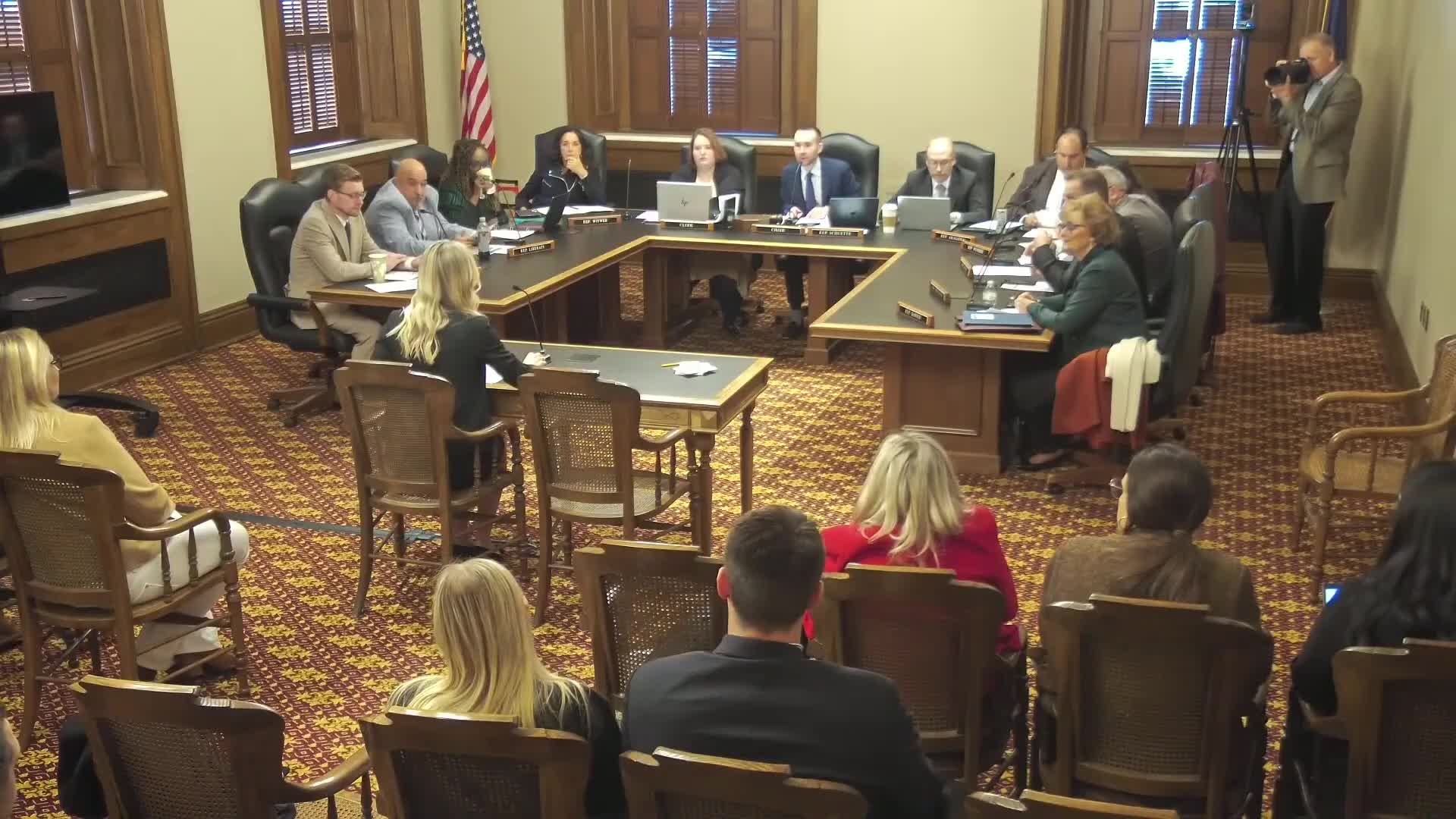
Government committee hearing

A bold proposal to modernize professional continuing education requirements took the spotlight as the House Rules Committee heard testimony on House Bill 4895, a measure introduced by Representative Linting that would allow licensed professionals to complete all of their required continuing education hours online. This marks a significant push toward flexible, accessible learning for today’s workforce.

This reform does not lower professional standards,” Linting assured committee members. “It simply allows workers the flexibility to meet them without needless barriers.” She emphasized the challenges faced by rural professionals and those balancing multiple jobs or childcare when required to attend in‑person CE sessions — including travel time, added cost, and limited scheduling options.

Linting also highlighted that several professions already allow digital CE pathways and confirmed that the state’s licensing department collaborated on the bill language. According to her testimony, LARA supports the proposal, and — importantly — the transition would not require additional rulemaking to implement.

Concerns About In‑Person Providers Addressed

Representative Martin voiced a question on many minds: Would in‑person CE providers lose business? Linting responded that she had not encountered any organized opposition and emphasized that in‑person learning will remain available for professionals who prefer the traditional classroom setting. She also offered to follow up with further details if requested.

Why This Matters for Today’s Licensed Professionals

As more professionals seek flexible ways to maintain and elevate their credentials, fully online CE options could reshape industries ranging from real estate and insurance to healthcare and finance. For busy professionals, digital access becomes a game‑changer — reducing friction, removing geographic barriers, and enhancing educational consistency.

At Cameron Academy, where we support students nationwide in completing their pre‑licensing and continuing education requirements, we see this shift firsthand. Legislation like HB 4895 is more than policy — it’s a recognition that modern professionals need modern tools. Online learning isn’t just convenient; it’s essential for a thriving, adaptive workforce.

Source: CitizenPortal.ai

More Articles

Getting licensed or staying ahead in your career can be a journey—but it doesn’t have to be overwhelming. Grab your favorite coffee or tea, take a moment to relax, and browse through our articles. Whether you’re just starting out or renewing your expertise, we’ve got tips, insights, and advice to keep you moving forward. Here’s to your success—one sip and one step at a time!

The AI Tipping Point: How Artificial Intelligence Is Rewriting the Real Estate Playbook

Artificial intelligence has shifted from a novelty to a defining force in real estate, transforming everything from listing creation to virtual staging while raising new legal and ethical risks. As AI adoption accelerates, experts warn that the agents who embrace automation and new tools now will gain a major competitive edge, while those who delay could fall behind in a rapidly evolving industry.

Want Job Security in the Age of AI? Get a State License

As AI and automation reshape the workforce, one form of career protection remains as powerful as ever: earning a state license. From real estate to trades to finance, licensed professionals stay in high demand because their work requires proven competence, accountability and human judgment—qualities technology can enhance but never replace. With trade enrollment surging, investor interest growing and licensing on the rise across the country, credentials have become a reliable path to stability, mobility and long-term earning potential.

AI Tools Are Transforming Agent‑Buyer Connections Ahead of 2026

A new wave of AI platforms is redefining how real estate agents identify buyer intent, spark conversations, and nurture relationships. From conversational home search engines to predictive opportunity alerts and relationship‑intelligence systems, these tools are helping agents connect sooner and smarter—reshaping daily workflows as the 2026 market approaches.

Texas Investors Fuel San Francisco’s Real Estate Revival

Texas money is riding hard into San Francisco, snapping up distressed downtown buildings at prices not seen in decades. From Union Square to California Street, major players like Lone Star Funds are betting big on the city’s rebound, signaling that the market may have finally hit bottom and that a new wave of opportunity is taking shape for savvy real estate professionals nationwide.

Holiday Spending Hits $1 Trillion—But CRE Experts Warn It May Be an Illusion

The 2025 holiday season is expected to break the $1 trillion sales mark, but economists say the milestone masks deeper consumer caution, income‑driven spending gaps, and weakening unit sales. Urban Land Magazine’s latest analysis shows how these mixed signals are shaping a selective, uneven landscape for U.S. commercial real estate heading into 2026—where strong locations thrive, weaker assets struggle, and affluent shoppers continue to dictate market performance.

Housing Market Predictions for 2026: Are Home Prices Finally Ready to Cool Off?

As 2025 ends, the housing market is inching toward balance with slower price growth, rising inventory, and steadier mortgage rates. Experts predict modest 1% to 2% home‑price growth in 2026—not a crash, but a calmer, more predictable market shaped by regional differences. With the Fed easing rates and inventory climbing in key cities, 2026 may become the most buyer‑friendly year in recent memory, especially for those prepared to act when the right home appears.