Michigan Committee Hears Push to Expand Online Continuing Education for Licensed Professionals
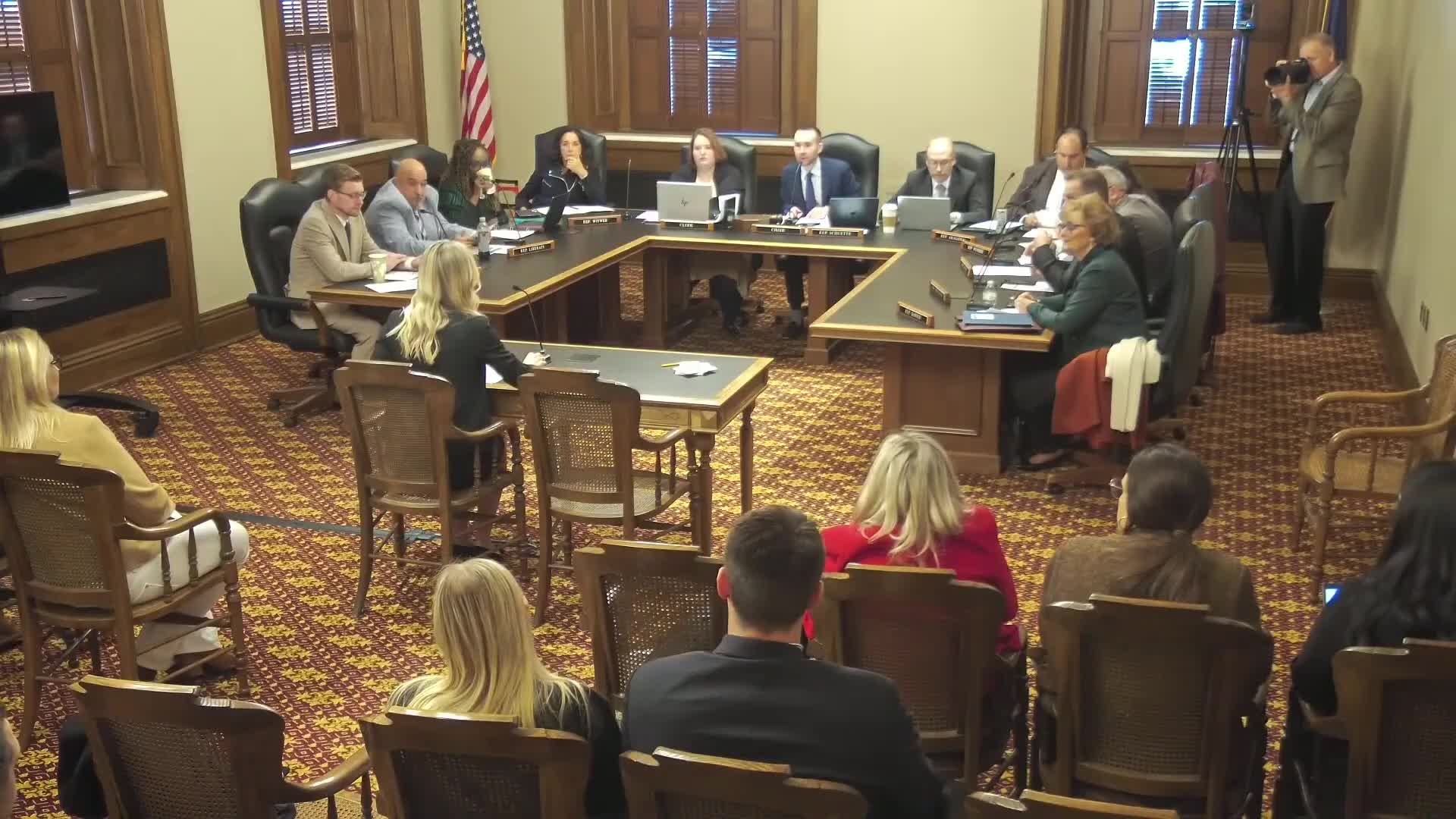
Government committee hearing

A bold proposal to modernize professional continuing education requirements took the spotlight as the House Rules Committee heard testimony on House Bill 4895, a measure introduced by Representative Linting that would allow licensed professionals to complete all of their required continuing education hours online. This marks a significant push toward flexible, accessible learning for today’s workforce.

This reform does not lower professional standards,” Linting assured committee members. “It simply allows workers the flexibility to meet them without needless barriers.” She emphasized the challenges faced by rural professionals and those balancing multiple jobs or childcare when required to attend in‑person CE sessions — including travel time, added cost, and limited scheduling options.

Linting also highlighted that several professions already allow digital CE pathways and confirmed that the state’s licensing department collaborated on the bill language. According to her testimony, LARA supports the proposal, and — importantly — the transition would not require additional rulemaking to implement.

Concerns About In‑Person Providers Addressed

Representative Martin voiced a question on many minds: Would in‑person CE providers lose business? Linting responded that she had not encountered any organized opposition and emphasized that in‑person learning will remain available for professionals who prefer the traditional classroom setting. She also offered to follow up with further details if requested.

Why This Matters for Today’s Licensed Professionals

As more professionals seek flexible ways to maintain and elevate their credentials, fully online CE options could reshape industries ranging from real estate and insurance to healthcare and finance. For busy professionals, digital access becomes a game‑changer — reducing friction, removing geographic barriers, and enhancing educational consistency.

At Cameron Academy, where we support students nationwide in completing their pre‑licensing and continuing education requirements, we see this shift firsthand. Legislation like HB 4895 is more than policy — it’s a recognition that modern professionals need modern tools. Online learning isn’t just convenient; it’s essential for a thriving, adaptive workforce.

Source: CitizenPortal.ai

More Articles

Getting licensed or staying ahead in your career can be a journey—but it doesn’t have to be overwhelming. Grab your favorite coffee or tea, take a moment to relax, and browse through our articles. Whether you’re just starting out or renewing your expertise, we’ve got tips, insights, and advice to keep you moving forward. Here’s to your success—one sip and one step at a time!

The Great Housing Reset: What Redfin Predicts for 2026

Redfin forecasts a slow but meaningful return to normalcy in the U.S. housing market starting in 2026. Instead of a crash or a rapid correction, the year marks the beginning of a “Great Housing Reset” where affordability gradually improves, mortgage rates ease into the low‑6% range, home sales tick upward, and renters, buyers, and professionals finally feel less market pressure. From wage growth outpacing home prices to rising refi activity and the rise of AI‑powered real estate tools, 2026 is shaping up to be a foundational year for real estate careers and long‑term market stability.

Climate Disasters Are Outpacing Insurance Uptake as the Global Protection Gap Nears Crisis Levels

Hurricane Melissa’s destruction in Jamaica highlights a growing global reality: climate risks are accelerating faster than insurance adoption. With more than 90% of disaster losses in developing regions going uninsured and a worldwide protection gap exceeding $1.8 trillion annually, experts warn that traditional insurance systems can no longer keep up. New models—like parametric payouts, community‑based aggregation and bundled climate tools—are emerging, but governments and corporations must step in to prevent financial shocks from destabilizing entire economies.

AI-Powered Excavators? Gravis Robotics Secures $23M to Tackle Construction’s Growing Labor Crisis

Gravis Robotics, a Zurich-based startup, just raised $23 million to bring autonomous tech to construction sites facing a massive operator shortage. As demand surges for renewable energy projects, data centers, and new housing, Gravis retrofits traditional heavy machinery with AI-driven systems that can work autonomously or via remote guidance. With trials already underway across seven countries, the company is pushing a future where humans and robots collaborate — speeding up development timelines and reshaping industries from construction to real estate.

Zillow Drops Climate Risk Scores—What It Means for Agents, Buyers, and the Future of Real Estate

Zillow has quietly removed its climate‑risk scores after months of pressure from agents, homeowners, and listing services who said the warnings were scaring off buyers. The move has sparked a national debate: Is this a win for real estate sales or a setback for consumer transparency? Critics warn that without clear climate‑risk data, families could be “flying blind” into costly surprises like insurance spikes and flood damage. As climate impacts intensify and disclosure expectations rise, real estate professionals must stay informed—because whether Zillow shows the data or not, the risks aren’t going anywhere.

Florida’s Property Insurance Battle Heats Up as 2026 Approaches

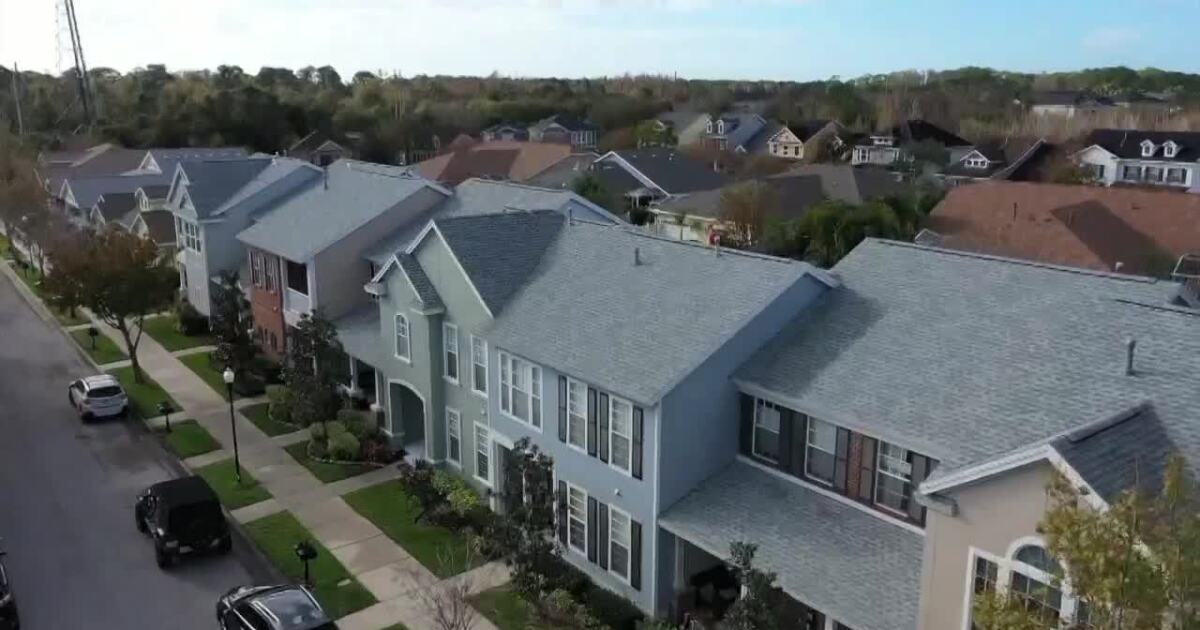
Florida’s property insurance crisis is becoming the defining issue heading into the 2026 election season. Republicans argue that recent reforms are finally stabilizing the market, pointing to reduced litigation and cooling reinsurance costs. Democrats counter that families are still facing unbearable premiums, with condo prices dropping over 8% and Floridians paying some of the highest insurance rates in the nation. As lawmakers prepare to return to Tallahassee, the future of insurance reform is set to become the central political fight—one that will directly impact homeowners, investors, and real estate professionals across the state.

The Invisible Backbone Transforming Modern Real Estate

Connectivity has become one of the most powerful differentiators in today’s real estate market. As smart buildings, automation, and sustainability demands accelerate, fiber networks are replacing outdated copper systems and reshaping property value. With lower energy use, unified smart‑building capabilities, reduced long‑term costs, and stronger tenant satisfaction, digital infrastructure is now central to investment strategy. Real estate professionals who understand this shift gain a competitive edge as the industry moves toward cleaner, smarter, more connected buildings.