Michigan Committee Hears Push to Expand Online Continuing Education for Licensed Professionals
Government committee hearing

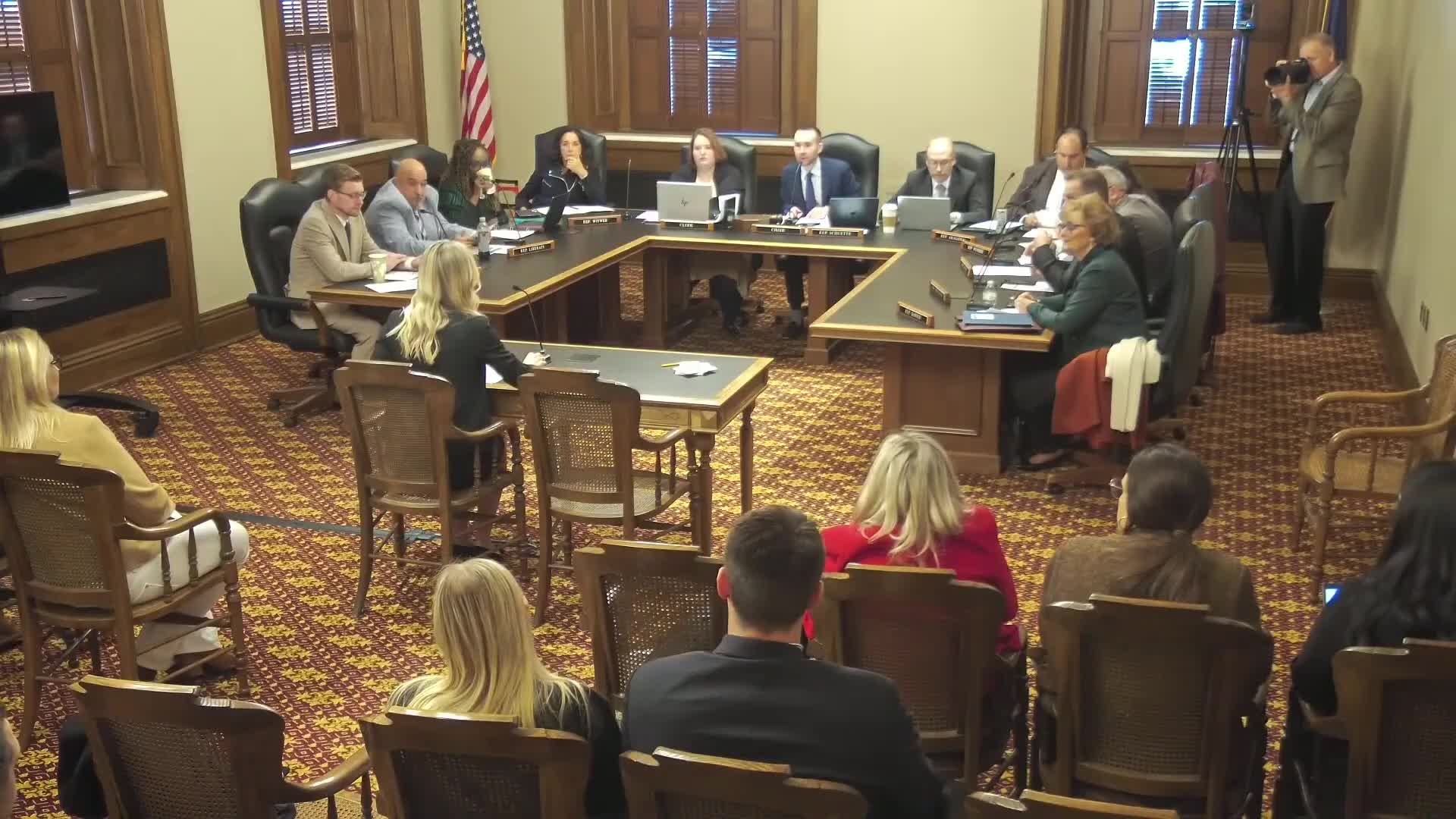
A bold proposal to modernize professional continuing education requirements took the spotlight as the House Rules Committee heard testimony on House Bill 4895, a measure introduced by Representative Linting that would allow licensed professionals to complete all of their required continuing education hours online. This marks a significant push toward flexible, accessible learning for today’s workforce.

This reform does not lower professional standards,” Linting assured committee members. “It simply allows workers the flexibility to meet them without needless barriers.” She emphasized the challenges faced by rural professionals and those balancing multiple jobs or childcare when required to attend in‑person CE sessions — including travel time, added cost, and limited scheduling options.

Linting also highlighted that several professions already allow digital CE pathways and confirmed that the state’s licensing department collaborated on the bill language. According to her testimony, LARA supports the proposal, and — importantly — the transition would not require additional rulemaking to implement.

Concerns About In‑Person Providers Addressed

Representative Martin voiced a question on many minds: Would in‑person CE providers lose business? Linting responded that she had not encountered any organized opposition and emphasized that in‑person learning will remain available for professionals who prefer the traditional classroom setting. She also offered to follow up with further details if requested.

Why This Matters for Today’s Licensed Professionals

As more professionals seek flexible ways to maintain and elevate their credentials, fully online CE options could reshape industries ranging from real estate and insurance to healthcare and finance. For busy professionals, digital access becomes a game‑changer — reducing friction, removing geographic barriers, and enhancing educational consistency.

At Cameron Academy, where we support students nationwide in completing their pre‑licensing and continuing education requirements, we see this shift firsthand. Legislation like HB 4895 is more than policy — it’s a recognition that modern professionals need modern tools. Online learning isn’t just convenient; it’s essential for a thriving, adaptive workforce.

Source: CitizenPortal.ai

More Articles

Getting licensed or staying ahead in your career can be a journey—but it doesn’t have to be overwhelming. Grab your favorite coffee or tea, take a moment to relax, and browse through our articles. Whether you’re just starting out or renewing your expertise, we’ve got tips, insights, and advice to keep you moving forward. Here’s to your success—one sip and one step at a time!

Malware Trends 2025: The New Era of Subscription‑Based Cybercrime

Cybercrime in 2025 has evolved into a full‑scale service economy, with malware now available through subscription platforms that operate like mainstream tech businesses. Bitsight’s latest analysis reveals explosive growth in Malware‑as‑a‑Service tools, rising attacks across industries like healthcare, finance, tech, and real estate, and a surge in cross‑platform malware and supply‑chain exploits. For professionals in any licensed field, the message is clear: today’s digital landscape demands heightened vigilance, stronger identity security, and proactive defense against an increasingly organized underground threat environment.

The Proptech Revolution: How Gllit Is Making Real Estate Transactions as Simple as Booking a Flight

A new proptech startup in the UAE, Gllit is redefining how property deals happen by removing agents, eliminating commissions, and integrating AI tools that let users create professional listings in seconds. With a fast, transparent, and direct-to-owner model, Gllit offers a glimpse into the future of global real estate — and a powerful case study for U.S. professionals preparing for tech-driven changes in the industry.

2026 Housing Market Outlook: What Buyers, Renters, and Agents Need to Know

The 2026 housing market is shaping up to be a year of stability with a few surprises. Mortgage rates are expected to hold steady, home price growth is slowing, and yet ownership costs continue to rise due to soaring taxes and insurance. Meanwhile, renting is becoming more attractive as affordability improves and built‑to‑rent communities expand. This breakdown highlights the biggest trends ahead — and what they mean for buyers, sellers, and real estate professionals, especially in Florida.

Florida Homeowners Slammed by Soaring Insurance Costs as Lawmakers Push for Major Reform

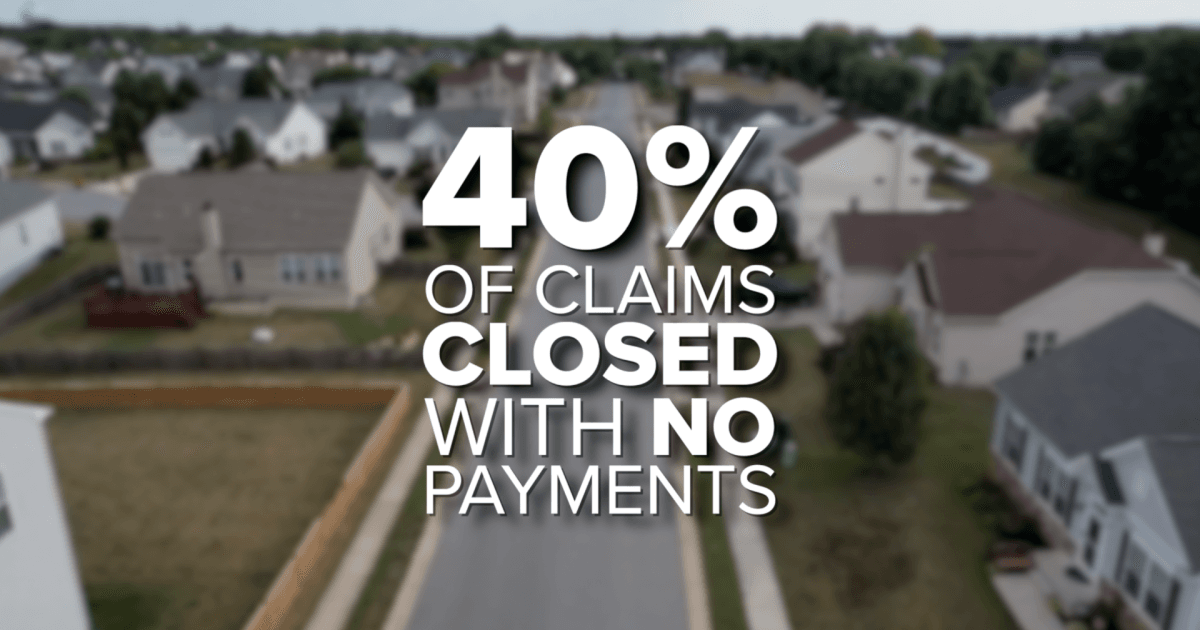
Florida homeowners are facing some of the highest insurance premiums in the nation, with average costs now topping $5,800 per year—about $3,000 above the U.S. average. Many residents report their rates have doubled or even tripled, while more than 40 percent of claims are closed with no payment. As frustration grows, state lawmakers and consumer advocates are pushing for transparency, rate caps, and incentives to help storm‑proof homes. The outcome of these reform efforts could reshape Florida’s real estate market, insurance landscape, and affordability for years to come.

Are Insurance Leaders Stuck in Silos? New Global Study Exposes a Hidden Weakness in Decision‑Making

A new global study from Risk.net and SAS reveals that many insurance companies are still making key decisions in isolated silos, despite industry-wide pushes toward data-driven strategies. While most leaders claim to have a clear vision, 38 percent admit they lack a real-time view of risks, revenue and costs. With poor data quality, limited collaboration and outdated processes holding teams back, experts say the industry is poised for a major transformation through AI, analytics and unified strategy—offering lessons for professionals across insurance, real estate, finance and other regulated fields.

Atlanta Housing Market Outlook 2025–2026: Stability, Rising Inventory, and What It Means for You

Atlanta’s housing market is shifting into a more balanced and predictable phase. Prices have leveled off, inventory has finally caught up, and mortgage rates are easing enough to bring buyers back into the game. With steady demand, growing listings, and only mild price corrections forecasted into 2026, Atlanta remains one of the Southeast’s strongest real estate markets for buyers, sellers, and investors alike.