Michigan Lawmakers Consider Expanding Online Continuing Education for Licensed Professionals

Government committee hearing

A Michigan House committee recently heard testimony on a proposed change that could make life easier for thousands of working professionals. Representative Linting presented House Bill 4895 to the House Rules Committee, explaining that the measure would allow licensed professionals to satisfy their continuing education requirements entirely online.

This reform does not lower professional standards,” Linting emphasized. “It simply allows workers the flexibility to meet them without needless barriers.”

Why the Push for Online CE?

According to Linting, many professionals in rural areas and those balancing multiple jobs or childcare face real burdens when required to complete in‑person continuing education. Travel time, transportation costs, and scheduling conflicts can make CE a stressful annual hurdle. She also noted that several professions already allow full online completion, demonstrating that digital CE can be both effective and fully compliant.

The department collaborated closely on the bill language, and, according to Linting, “LARA is in support.” Because the proposed reform aligns with existing regulatory frameworks, no additional rulemaking would be needed to implement the change.

What About In‑Person CE Providers?

Representative Martin asked whether online CE expansion might harm in‑person training providers. Linting responded that she was unaware of organized opposition and that the bill still preserves traditional classroom options for those who want them. The committee noted her willingness to follow up if further specifics on provider impacts are needed.

Why This Matters for Today’s Workforce

Across industries—from real estate to healthcare to finance—online continuing education has become a lifeline for busy professionals. Flexibility isn’t just convenient; it helps workers stay compliant and competitive without sacrificing work hours or family time.

For those in fields like real estate, mortgage, insurance, and more, the shift toward digital CE aligns with nationwide trends. Schools such as Cameron Academy have seen firsthand how online options empower professionals to advance their careers on their own schedule, without compromising quality or standards.

Explore the Source

More Articles

Getting licensed or staying ahead in your career can be a journey—but it doesn’t have to be overwhelming. Grab your favorite coffee or tea, take a moment to relax, and browse through our articles. Whether you’re just starting out or renewing your expertise, we’ve got tips, insights, and advice to keep you moving forward. Here’s to your success—one sip and one step at a time!

Global Capital Is Reshaping Real Estate for 2026

Investors worldwide are redeploying capital, embracing more active deal structures, and expanding into new regions as the 2026 market takes shape. Data centers, revived office demand, and global diversification are driving a major shift—creating fresh opportunities for real estate, mortgage, and finance professionals who understand where capital is heading next.

Florida’s Home Insurance Crisis Hits Breaking Point as Premiums Soar and Claims Go Unpaid

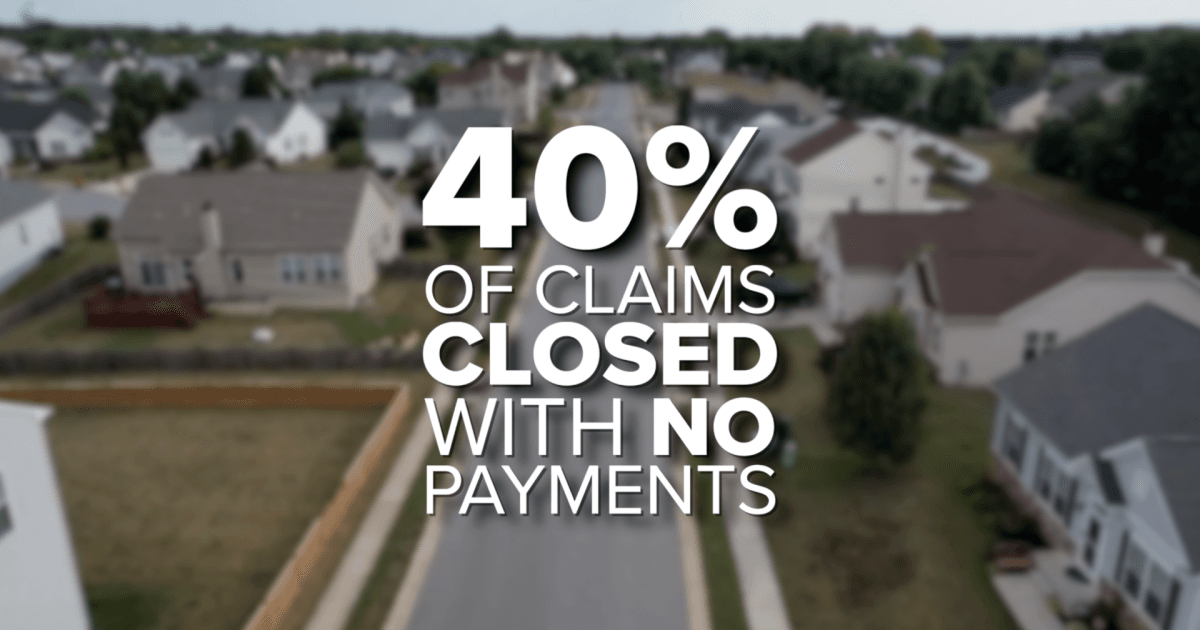
Florida homeowners now pay an average of $5,838 per year for insurance—about $3,000 more than the national average—pushing many families to the financial brink. Residents report premiums tripling, claims being severely underpaid, and insurers dropping policies at one of the highest rates in the country. As frustration mounts, lawmakers and industry experts are calling for sweeping reforms to curb rising costs, increase accountability, and stabilize a market that’s reshaping real estate decisions across the state.

Citizens Insurance Steps Back as Florida’s Private Market Surges

Florida’s insurance market has hit a major turning point. Citizens Property Insurance—once the state’s largest insurer with 1.4 million policies—has shed more than 900,000 policies as private insurers return in force. Driven by Florida’s depopulation program and the arrival of 17 new companies, nearly 200,000 policies shifted to private carriers in October alone, with about 40 percent offering lower premiums. The shift signals rising competition, stabilizing rates, and new opportunities for homeowners and industry professionals navigating Florida’s evolving insurance landscape.

NAR Unveils Biggest MLS Policy Overhaul in 20 Years, Effective 2026

The National Association of REALTORS® has approved 18 major updates to modernize its MLS policies—the largest overhaul in two decades. Announced at NAR NXT in Houston and set to take effect in January 2026, the changes aim to streamline MLS operations, improve enforcement clarity, and better align policies with how today’s real estate professionals actually work.

Inhabit Unveils New AI and Fraud Prevention Tools Transforming Property Management

Inhabit has rolled out a powerful lineup of AI-driven leasing, marketing, fraud prevention, and compliance tools designed to streamline operations and protect property teams from growing risks. From hybrid AI leasing assistants to instant income verification and upcoming portfolio-wide lease audits, these innovations aim to cut costs, eliminate inefficiencies, and strengthen regulatory confidence across the multifamily industry.

Florida’s Insurance System Is Shifting Again—But Are Homeowners Still in the Danger Zone?

Florida’s latest round of insurance reforms was meant to calm a volatile market, yet many experts warn the same deep structural problems remain. Homeowners are being pushed from Citizens into higher‑priced, lightly capitalized private insurers, ratings agencies face scrutiny for inflated grades, and political influence clouds oversight. For real estate and insurance professionals, these trends signal ongoing risk, rising costs, and a market in need of a complete rebuild.