In a compelling move towards economic rejuvenation, Michigan is considering a policy shift that could significantly bolster its workforce and population growth. The Mackinac Center for Public Policy has published an insightful piece titled “Work Without Walls,” which delves into the potential benefits of implementing universal licensing reciprocity in the state. This policy would allow Michigan to recognize occupational licenses from other states, enabling professionals to begin working immediately upon arrival.

For decades, Michigan has grappled with slow population growth. However, the introduction of universal licensing reciprocity could serve as a catalyst for change. By legally validating out-of-state occupational licenses, Michigan could attract a diverse array of skilled professionals, thereby fostering economic expansion and addressing workforce shortages.

The article highlights that 26 states have already embraced similar reforms, with recent legislative support spanning across party lines. This bipartisan backing underscores the widespread recognition of the policy’s potential to enhance interstate migration and stimulate local economies.

Michigan’s current licensing laws, which require rigorous compliance from out-of-state professionals, often act as barriers to entry. By streamlining these processes, the state could not only increase its population but also invigorate its labor market. The Mackinac Center’s research, supported by findings from the W.E. Upjohn Institute, suggests that states with generous reciprocity laws experience higher rates of interstate migration, further validating the proposed reform.

The story of Anne Davis, a psychotherapist whose transition to Michigan was delayed due to licensing complexities, exemplifies the challenges faced by professionals under the current system. Her experience, as detailed in the article, underscores the need for reform to prevent similar bureaucratic hurdles in the future.

The Mackinac Center’s proposal aligns with recommendations from the Growing Michigan Together Council, which advocates for a comprehensive review of professional licensing requirements. By adopting universal licensing reciprocity, Michigan could position itself as a welcoming hub for professionals nationwide, ultimately leading to a more vibrant and competitive economy.

For more information on this topic, including a detailed map of state licensing reciprocity laws, visit the original article on the Mackinac Center’s website.


More Articles

Getting licensed or staying ahead in your career can be a journey—but it doesn’t have to be overwhelming. Grab your favorite coffee or tea, take a moment to relax, and browse through our articles. Whether you’re just starting out or renewing your expertise, we’ve got tips, insights, and advice to keep you moving forward. Here’s to your success—one sip and one step at a time!

Why Toronto’s Real Estate Market Is a Rollercoaster Using Would You Rather Decisions

By 2022, the average cost had skyrocketed to $1.19 million. That’s, like, a 28% increase in just three years! But as with all wild parties, there was an inevitable hangover.

By |January 19, 2025|Categories: Article, Market Analysis, Real Estate|Tags: , |0 Comments

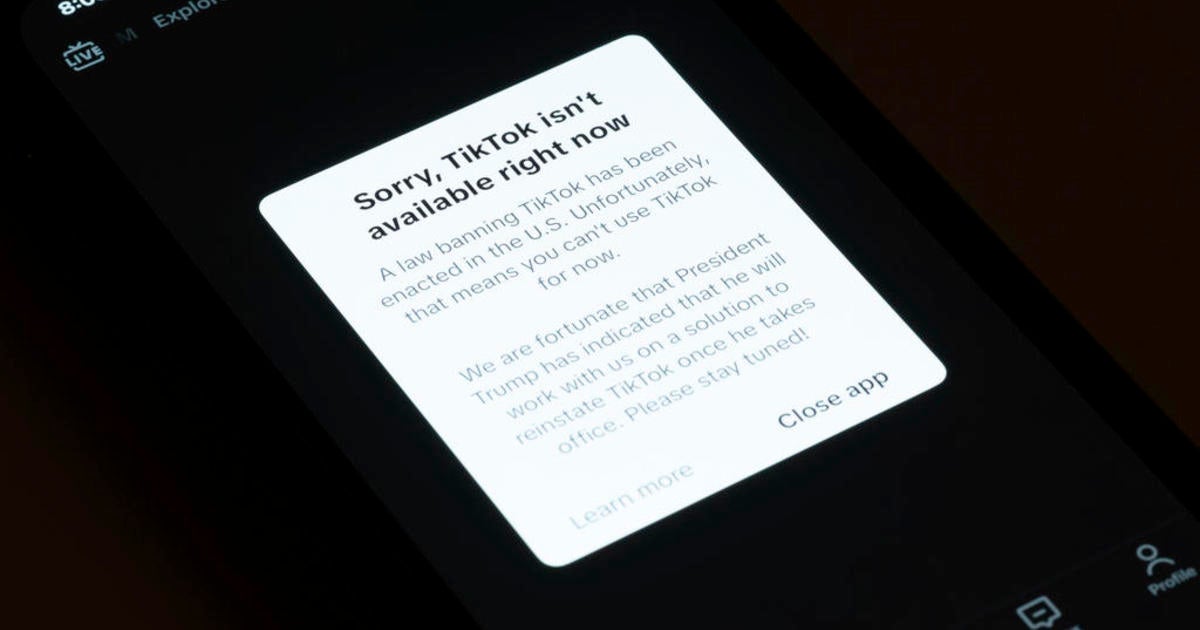
TikTok’s Ban: US Social Media Frenzy

"And let’s not forget this might be the start of a multi-platform domino effect. If TikTok is toast, Instagram Reels, YouTube Shorts, or bizarre TikTok lookalikes (looking at you, Lemon8) are poised to swoop in and capitalize."

By |January 19, 2025|Categories: Article, Humor, Technology|Tags: |0 Comments

Sutter Health’s Innovative Approach to Sepsis Management

Sutter Health is pioneering a transformative approach in critical care by introducing the FloPatch, a novel wearable device aimed at enhancing clinical decision-making. This initiative focuses on improving sepsis management within intensive care units (ICUs), leveraging real-time data to support critical treatment decisions.

TikTok Ban in the U.S.: A Landmark Moment in National Security

TikTok, the immensely popular social media app, is now banned in the United States following a Supreme Court ruling that mandated the app to sever ties with its China-based parent company, ByteDance, or face a ban.

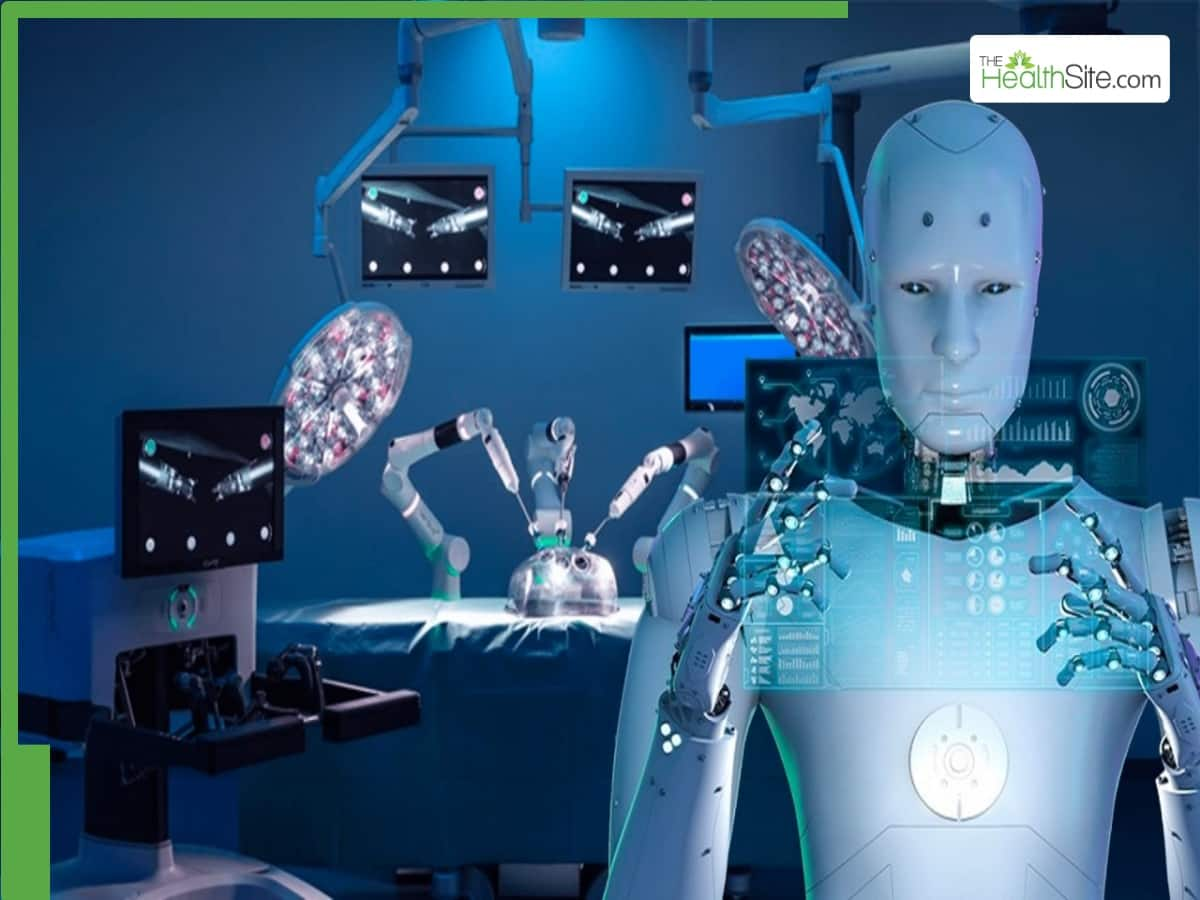
AI and Robotics Revolutionizing Indian Healthcare

AI is poised to revolutionize the diagnostic process, enabling more accurate and faster diagnoses than ever before. Traditional methods, which rely heavily on manual interpretations of medical images, often suffer from delays and errors. In contrast, AI-driven diagnostic tools can swiftly analyze vast amounts of medical data, including X-rays, MRIs, and CT scans, with remarkable precision. This technology is already being leveraged for the early detection of diseases such as cancer and diabetic retinopathy, making diagnostics more efficient and accessible than ever.

By |January 19, 2025|Categories: Article, Healthcare, Technology|Tags: , |0 Comments

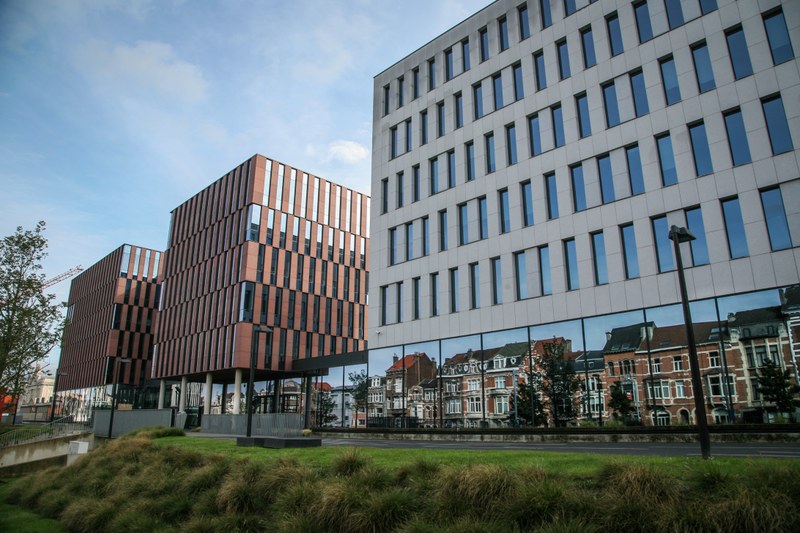
Embracing Smart Renovations: Europe’s Path to Sustainable Building

Currently, buildings account for over 30% of the EU's environmental footprint, a staggering figure that underscores the urgency of reform.