In a world where technology continually reshapes the landscape of business, Microsoft stands at the forefront, championing the transformative power of Artificial Intelligence (AI). Their recent publication, “AI-powered success—with more than 1,000 stories of customer transformation and innovation”, sheds light on the profound impact AI is having across industries.

According to IDC’s 2025 CEO Priorities, investments in AI solutions are projected to have a global cumulative impact of $22.3 trillion by 2030. This staggering figure underscores the significance of AI in driving economic growth and innovation. As we delve into these stories, we see a vivid tapestry of transformation, where AI is not just a tool but a catalyst for change.

Revolutionizing Industries


From education to healthcare, financial services to government, Microsoft AI technologies are enhancing operational efficiency and driving innovation. In education, institutions are leveraging AI to personalize learning experiences, making education more accessible and engaging. Meanwhile, in healthcare, AI is accelerating drug discovery and improving patient care, as seen in the strides made by companies like Enveda.

Boosting Productivity and Innovation


AI’s role in boosting productivity is undeniable. Organizations are using AI to automate mundane tasks, freeing up human resources for more strategic endeavors. This shift not only enhances productivity but also fosters a culture of innovation. By reshaping business processes, companies are discovering new growth opportunities, ensuring they remain competitive in a rapidly evolving market.

In the realm of financial services, AI is revolutionizing customer engagement and risk management. By analyzing vast datasets, financial institutions can offer personalized services, enhancing customer satisfaction and loyalty. Similarly, in government sectors, AI is streamlining operations, making public services more efficient and responsive to citizens’ needs.

Shaping the Future


The stories highlighted in Microsoft’s publication are a testament to the transformative power of AI. They serve as a beacon for other organizations, illustrating the potential of AI to reshape industries and drive meaningful change. As we look to the future, the integration of AI into business processes will continue to be a driving force for innovation and growth.

For those eager to explore the possibilities of AI, Microsoft offers resources like the AI Use Case Explorer and the Business Opportunity of AI study, providing insights and guidance on harnessing AI’s potential.

In conclusion, Microsoft’s commitment to AI-driven transformation is paving the way for a future where businesses are not just surviving but thriving in an AI-powered world.


More Articles

Getting licensed or staying ahead in your career can be a journey—but it doesn’t have to be overwhelming. Grab your favorite coffee or tea, take a moment to relax, and browse through our articles. Whether you’re just starting out or renewing your expertise, we’ve got tips, insights, and advice to keep you moving forward. Here’s to your success—one sip and one step at a time!

The Digital Healthcare Revolution: Transforming Patient Care with Technology

The global digital health market is set to skyrocket, with projections estimating it will reach $551.09 billion by 2027. This growth is fueled by innovations that are setting new benchmarks in healthcare delivery.

By |November 28, 2024|Categories: Article, Healthcare, Technology|Tags: , |0 Comments

University of Pennsylvania Pioneers the Planetary Health Curriculum

This innovative program equips medical students with the knowledge to understand and mitigate the effects of climate change on human health.

The Deep-Learning Triple Threat Transforming Medical Imaging

AI is being hailed as a "triple threat" in radiology, impacting planning, scanning, and diagnosis. As detailed in a recent column by Kelly Londy of GE HealthCare, these intelligent imaging systems are ushering in seismic changes reminiscent of the transformative impact of computer-assisted tomography in the late 20th century.

Federal Reserve’s Interest Rate Cut: Implications for the Housing Market

In a significant move that has captured the attention of economists and homebuyers alike, the Federal Reserve recently announced a half-percentage-point cut in interest rates. This decision is poised to bring about notable changes in the housing market, though not all effects may be beneficial for prospective homeowners.

By |November 27, 2024|Categories: Article, Economics, Real Estate|Tags: , |0 Comments

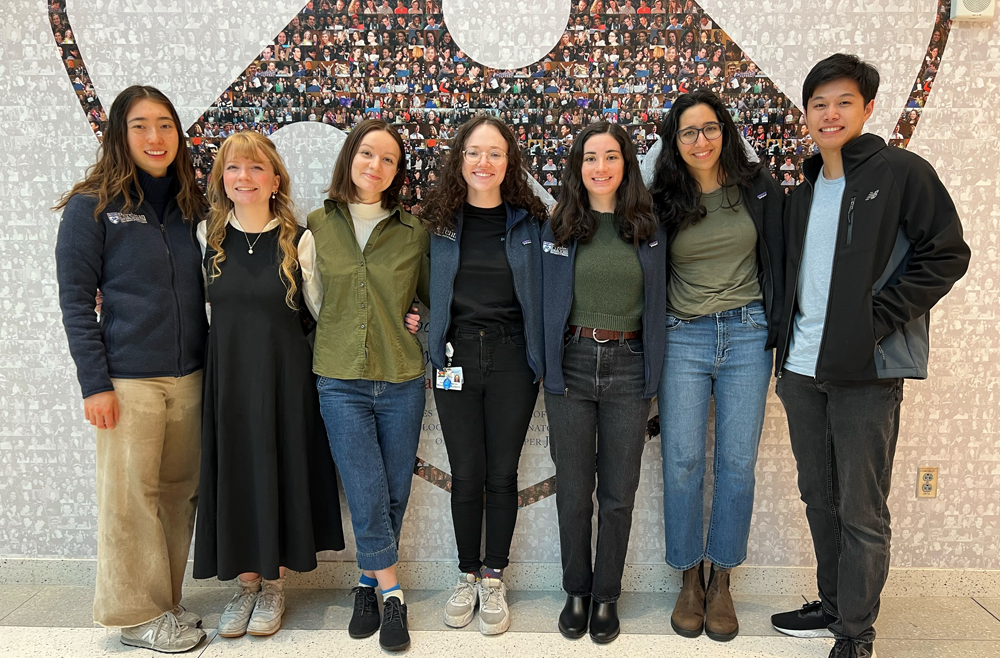
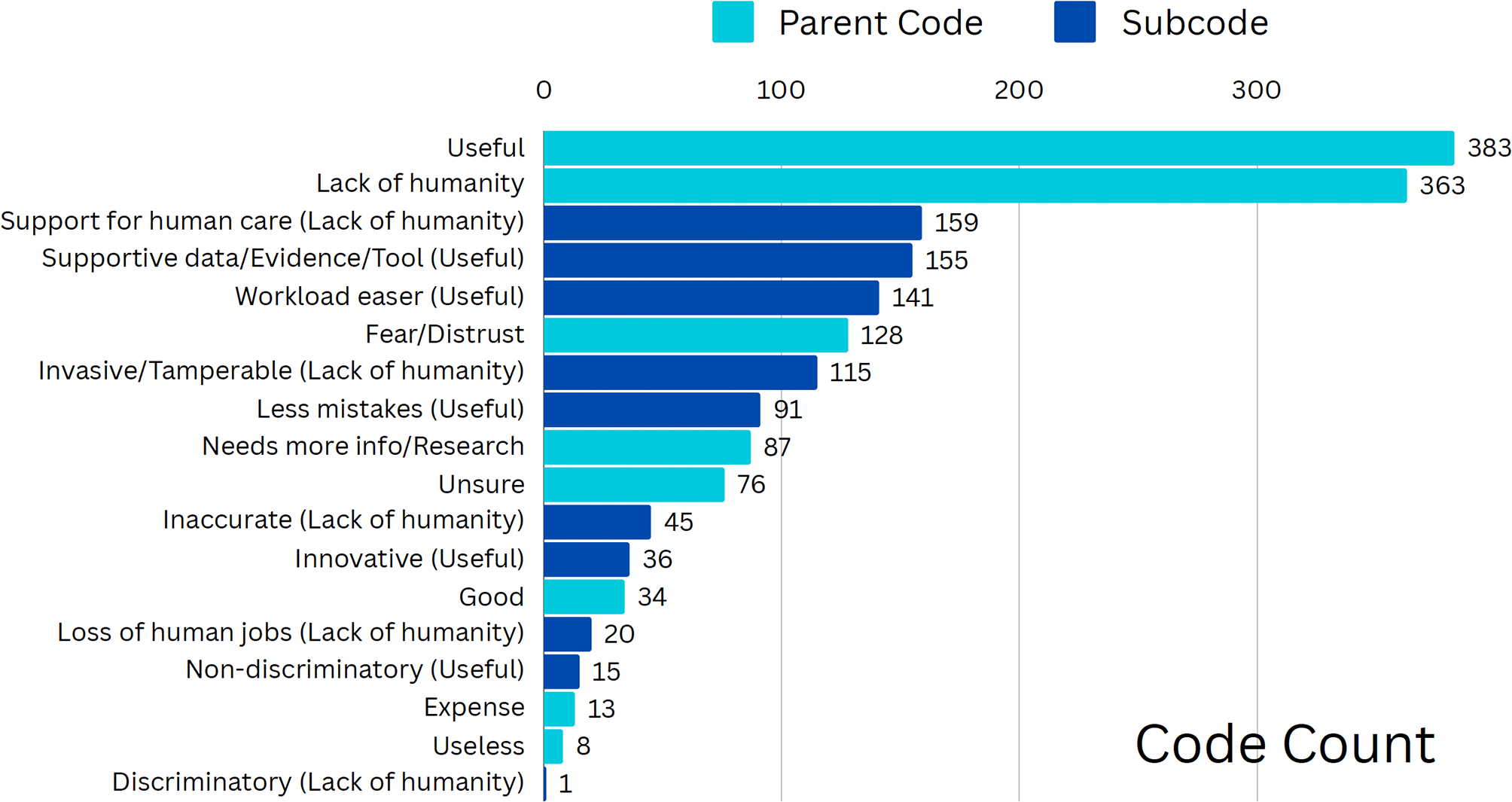
Public Perceptions of AI in Healthcare: A Balancing Act Between Innovation and Ethics

In the rapidly evolving landscape of healthcare, the integration of artificial intelligence (AI) stands as a beacon of both promise and concern. The research underscores a significant tension: while AI has the capability to enhance healthcare delivery, there is palpable unease about its impact on the traditional physician-patient relationship.

By |November 27, 2024|Categories: Article, Ethics, Healthcare|Tags: , |0 Comments

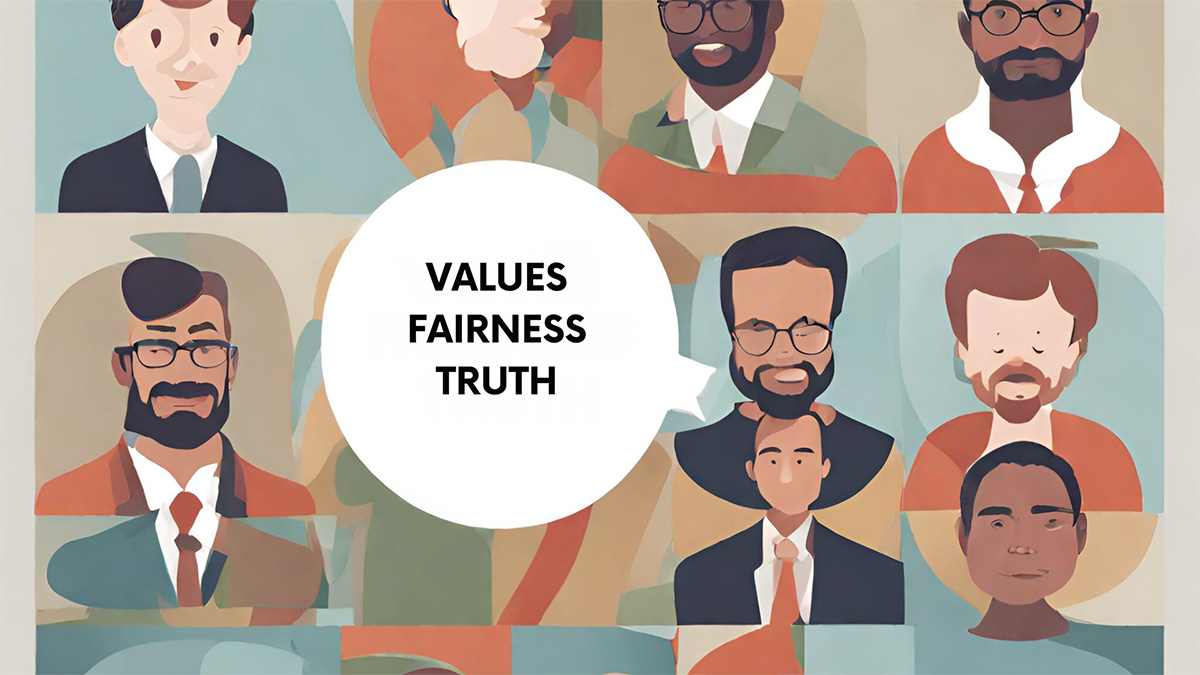
The Ethical Dilemmas of AI: A Modern Conundrum

As artificial intelligence (AI) technology advances, it presents a myriad of ethical dilemmas and challenges that demand urgent attention. The USC Annenberg School for Communication and Journalism recently explored these pressing issues, highlighting the complexities involved in AI's deployment.

By |November 27, 2024|Categories: Article, Ethics, Technology|Tags: , |0 Comments