Microsoft’s New Licensing Shake‑Up: What Healthcare Leaders Need to Know Before Renewal Season
Microsoft has officially shifted its licensing strategy, and if you’re part of a healthcare organization relying on services like Microsoft 365, Power BI, Microsoft Defender or Intune, the pricing landscape is changing beneath your feet. The tech giant has ended volume‑based discounts for online services purchased through volume licensing — a move that will directly impact hospitals, large health systems, and any care network with hundreds or thousands of seats.
While these changes won’t hit your budget until your next contract renewal, the smartest organizations are preparing now. With collaboration, analytics, cybersecurity, and patient‑care workflows tied deeply into Microsoft’s digital ecosystem, this shift deserves serious attention.
What Exactly Changed — and Why It Matters
As of November 1, Microsoft’s new pricing approach eliminates the volume discounts many enterprise healthcare systems have relied on for years. Whether you buy 100 or 10,000 licenses, the price per seat will now be identical. For health systems already navigating tight budgets, this creates a ripple effect across IT operations, financial planning, and digital strategy.
Services affected include Microsoft 365, Microsoft Intune, Power BI, Power Automate, Power Apps, Microsoft Defender, and Active Directory. Azure services, however, remain untouched.
Explore the Original Source
This article is based on reporting from HealthTech Magazine. You can read their full coverage at:
Step one: conduct a full audit of your licenses. You may be surprised by how many seats are unused — representing silent but significant waste.
Step two: right‑size. Many organizations discover team members using premium Microsoft 365 E5 licenses when all they require is an F1 frontline worker license. Renewal season is the perfect time to clean this up and avoid overspending.
Just remember: efficiency cannot come at the cost of patient care. Services like Teams and Power BI often sit at the heart of communication and analytics workflows. Retain what keeps your care teams running.
CDW plays a major advisory role for organizations navigating this transition. From auditing your current deployment to restructuring your license mix, their teams help determine what you truly need — and what you don’t. Even if you’re not an existing CDW customer, they can analyze your cost exposure and walk you through the new pricing landscape.
CDW is also rolling out Asato, an AI‑powered platform capable of identifying resource waste and improving allocation. Beyond Microsoft licensing, it can support broader organizational efficiency efforts.
For organizations wanting more flexibility, CDW can migrate Microsoft Enterprise Agreement holders into the Microsoft Cloud Solution Provider (CSP) model, which allows month‑to‑month adjustments with no penalties.
More Insights
To dive deeper into Microsoft’s pricing transition and how CDW’s CSP program can help, visit:
The biggest takeaway? Don’t wait. Large health systems across the country are facing the same shift. Begin your audit, re‑evaluate your license structure, and explore alternative contracting paths now.
Yes, the cost increase hurts. But the mission remains unchanged: empowering your staff to deliver exceptional care. Strategic digital investments today pave the way for better patient outcomes tomorrow.
More Articles
Getting licensed or staying ahead in your career can be a journey—but it doesn’t have to be overwhelming. Grab your favorite coffee or tea, take a moment to relax, and browse through our articles. Whether you’re just starting out or renewing your expertise, we’ve got tips, insights, and advice to keep you moving forward. Here’s to your success—one sip and one step at a time!
In 2026, financial advisors are no longer just experimenting with AI — they’re relying on it. Once confined to back-office duties, AI now supports meeting prep, portfolio analysis, and even early-stage financial planning. Advisors say the tech is strengthening client relationships by freeing them from administrative overload, though entry-level roles like paraplanners may feel the squeeze as automation accelerates.
Cybercriminals are weaponizing AI to launch highly convincing email scams and system breaches across the mortgage industry, overwhelming lenders and servicers whose cybersecurity measures can’t keep up. With major companies already hit and regulation lagging behind, experts warn the sector—now considered critical infrastructure—must rapidly upgrade protections, collaborate on threat intelligence, and improve AI governance before the risks escalate further.
Escrow payments are quietly surging across the country as property taxes and insurance premiums spike—pushing many homeowners toward delinquencies and even foreclosure. New data from Cotality shows the sharpest increases hitting the South and Midwest, with Florida among the hardest‑hit states. Even with fixed mortgage rates, rising escrow requirements are driving monthly payments higher and threatening affordability heading into 2026.
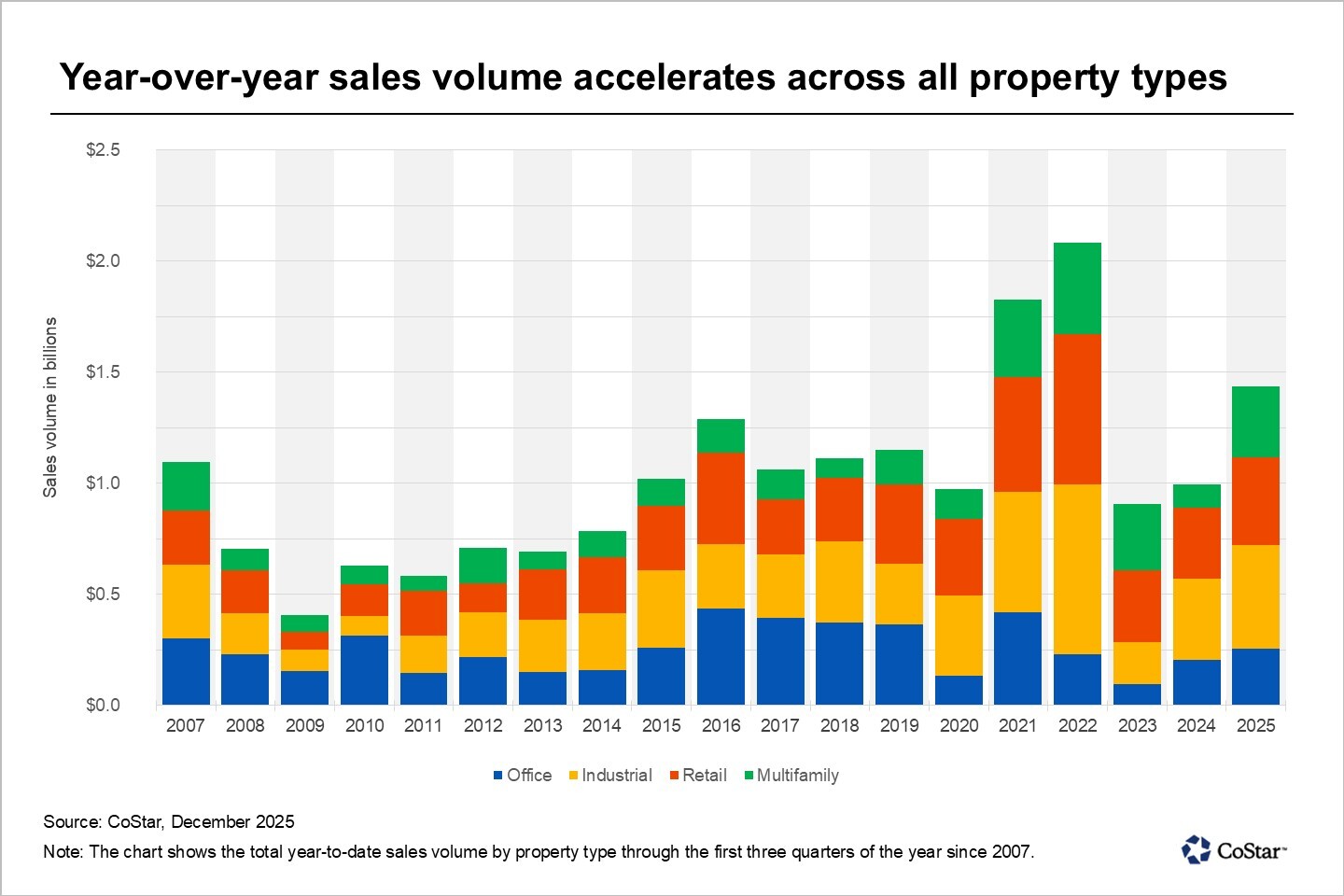
Milwaukee entered 2025 with renewed momentum, posting its strongest commercial real estate sales volume in three years. After a period of uncertainty and high capital costs, investors are returning with a sharper focus on quality assets, realistic pricing, and reliable cash flow. Activity is increasing across industrial, office, multifamily, and retail sectors, signaling a broad-based recovery fueled by stabilizing interest rates and improved market confidence.
As 2026 approaches, the title insurance industry is navigating a complex mix of market recovery, rising fraud threats, and sweeping regulatory changes. Industry leaders say the path forward centers on smarter technology, leaner operations, and stronger support for title agents. With AI-driven workflows, enhanced fraud prevention, and new compliance demands—including FinCEN’s expanded Geographic Targeting Orders—companies like Stewart and First American are reshaping how title work gets done. For real estate and mortgage professionals, the year ahead promises more automation, heightened standards, and major opportunities for those who stay ahead of the curve.
The real estate industry is undergoing a major transformation in 2025 as advancements in AI, proptech, blockchain, and data intelligence redefine how properties are marketed, valued, financed, and experienced. From instant digital valuations and immersive virtual tours to tokenized investments and predictive analytics, technology is reshaping every stage of the real estate lifecycle. Professionals who embrace these innovations—while maintaining the human expertise clients still rely on—will lead the next era of the industry.