Microsoft’s New Licensing Shake‑Up: What Healthcare Leaders Need to Know Before Renewal Season
Microsoft has officially shifted its licensing strategy, and if you’re part of a healthcare organization relying on services like Microsoft 365, Power BI, Microsoft Defender or Intune, the pricing landscape is changing beneath your feet. The tech giant has ended volume‑based discounts for online services purchased through volume licensing — a move that will directly impact hospitals, large health systems, and any care network with hundreds or thousands of seats.
While these changes won’t hit your budget until your next contract renewal, the smartest organizations are preparing now. With collaboration, analytics, cybersecurity, and patient‑care workflows tied deeply into Microsoft’s digital ecosystem, this shift deserves serious attention.
What Exactly Changed — and Why It Matters
As of November 1, Microsoft’s new pricing approach eliminates the volume discounts many enterprise healthcare systems have relied on for years. Whether you buy 100 or 10,000 licenses, the price per seat will now be identical. For health systems already navigating tight budgets, this creates a ripple effect across IT operations, financial planning, and digital strategy.
Services affected include Microsoft 365, Microsoft Intune, Power BI, Power Automate, Power Apps, Microsoft Defender, and Active Directory. Azure services, however, remain untouched.
Explore the Original Source
This article is based on reporting from HealthTech Magazine. You can read their full coverage at:
Step one: conduct a full audit of your licenses. You may be surprised by how many seats are unused — representing silent but significant waste.
Step two: right‑size. Many organizations discover team members using premium Microsoft 365 E5 licenses when all they require is an F1 frontline worker license. Renewal season is the perfect time to clean this up and avoid overspending.
Just remember: efficiency cannot come at the cost of patient care. Services like Teams and Power BI often sit at the heart of communication and analytics workflows. Retain what keeps your care teams running.
CDW plays a major advisory role for organizations navigating this transition. From auditing your current deployment to restructuring your license mix, their teams help determine what you truly need — and what you don’t. Even if you’re not an existing CDW customer, they can analyze your cost exposure and walk you through the new pricing landscape.
CDW is also rolling out Asato, an AI‑powered platform capable of identifying resource waste and improving allocation. Beyond Microsoft licensing, it can support broader organizational efficiency efforts.
For organizations wanting more flexibility, CDW can migrate Microsoft Enterprise Agreement holders into the Microsoft Cloud Solution Provider (CSP) model, which allows month‑to‑month adjustments with no penalties.
More Insights
To dive deeper into Microsoft’s pricing transition and how CDW’s CSP program can help, visit:
The biggest takeaway? Don’t wait. Large health systems across the country are facing the same shift. Begin your audit, re‑evaluate your license structure, and explore alternative contracting paths now.
Yes, the cost increase hurts. But the mission remains unchanged: empowering your staff to deliver exceptional care. Strategic digital investments today pave the way for better patient outcomes tomorrow.
More Articles
Getting licensed or staying ahead in your career can be a journey—but it doesn’t have to be overwhelming. Grab your favorite coffee or tea, take a moment to relax, and browse through our articles. Whether you’re just starting out or renewing your expertise, we’ve got tips, insights, and advice to keep you moving forward. Here’s to your success—one sip and one step at a time!
Florida families are feeling the squeeze as everyday costs, insurance premiums, and homeownership barriers continue to climb. House District 102 candidate Jayden D’Onofrio is calling for a broader, more unified affordability strategy—one that tackles the state’s insurance crisis, supports first‑time homebuyers, and restores real competition in the market. His message centers on transparency, practical solutions, and keeping Florida livable for the professionals, workers, and families who power its economy.
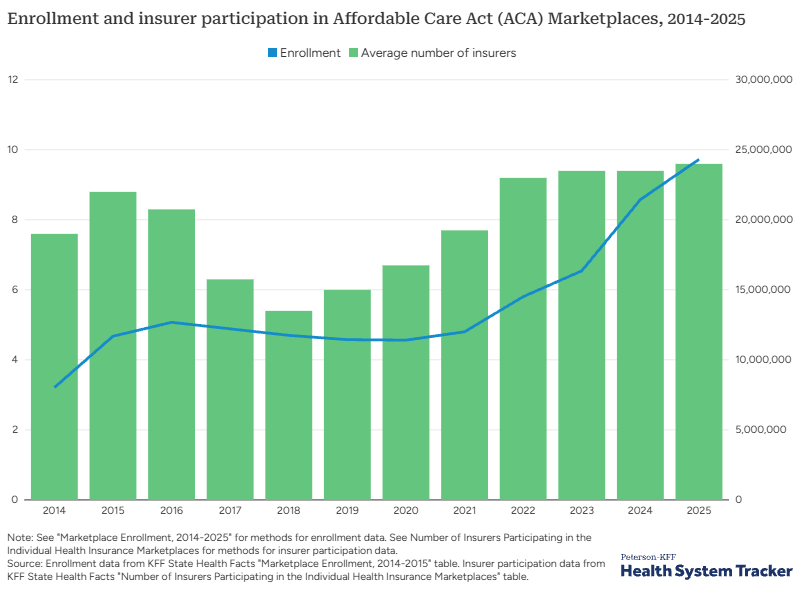
A decade of dramatic change is reshaping America’s health insurance markets. Employer group plans are becoming increasingly dominated by a few powerful insurers, while the ACA individual marketplace is experiencing record‑breaking competition and enrollment. Self‑funded plans are surging, small‑group premiums are driving employers to new coverage models, and major policy shifts in 2025 could redefine affordability for millions. This data‑driven Peterson‑KFF analysis breaks down the trends every insurance, finance, and business professional needs to understand as the industry enters a transformative new era.
Sarasota County is inching closer to approving Winchester Ranch, a massive 8,999‑home community planned for more than 3,100 acres in North Port. With a 7‑1 vote from the Planning Commission and a final decision expected in early 2026, the project could become one of Southwest Florida’s largest developments in decades—bringing new housing, commercial space, and industry while raising fresh questions about growth, the environment, and the region’s rapidly evolving real estate market.
Lument Finance Trust has closed a major $663.8 million commercial real estate CLO, marking one of the standout CRE finance deals of 2025. The transaction, LMNT 2025-FL3, features a strong reinvestment period, non‑recourse and non‑mark‑to‑market financing, and a diversified pool of 32 loans tied to 49 properties nationwide. With J.P. Morgan leading the structuring and more than $585 million placed in investment‑grade securities, the deal highlights renewed stability in transitional CRE debt—making it a development real estate and finance professionals will want to watch closely.
Walmart has partnered with Alquist 3D to roll out the nation’s first large‑scale wave of 3D‑printed commercial buildings, signaling a major shift in how future retail and industrial spaces will be constructed. After completing an 8,000‑square‑foot 3D‑printed expansion in Tennessee—the largest of its kind—the company is moving forward with over a dozen new projects nationwide, accelerating a tech‑driven transformation in commercial real estate.
Citizens Property Insurance Corp. is recommending statewide rate reductions for 2026—the first proposed decrease in more than a decade. Most Citizens policyholders could see an average 11.5% drop, reflecting recent insurance‑market reforms that have stabilized Florida’s turbulent property sector. With hundreds of thousands of policies moving back to private insurers and state‑backed Citizens shrinking to record‑low enrollment, real estate and insurance professionals should prepare for how lower premiums may influence affordability, buyer confidence, and market activity heading into 2026.