Milwaukee’s Commercial Real Estate Market Turns a Corner
Milwaukee’s commercial real estate investment scene is showing clear signs of renewed life, and for professionals monitoring national CRE trends, the shift is both significant and refreshing. After several years of uneven performance and heightened price sensitivity across major metros, the city is now experiencing a strategic, broad-based recovery driven by smarter investor entry points, high‑quality assets, and long-term cash‑flow stability.
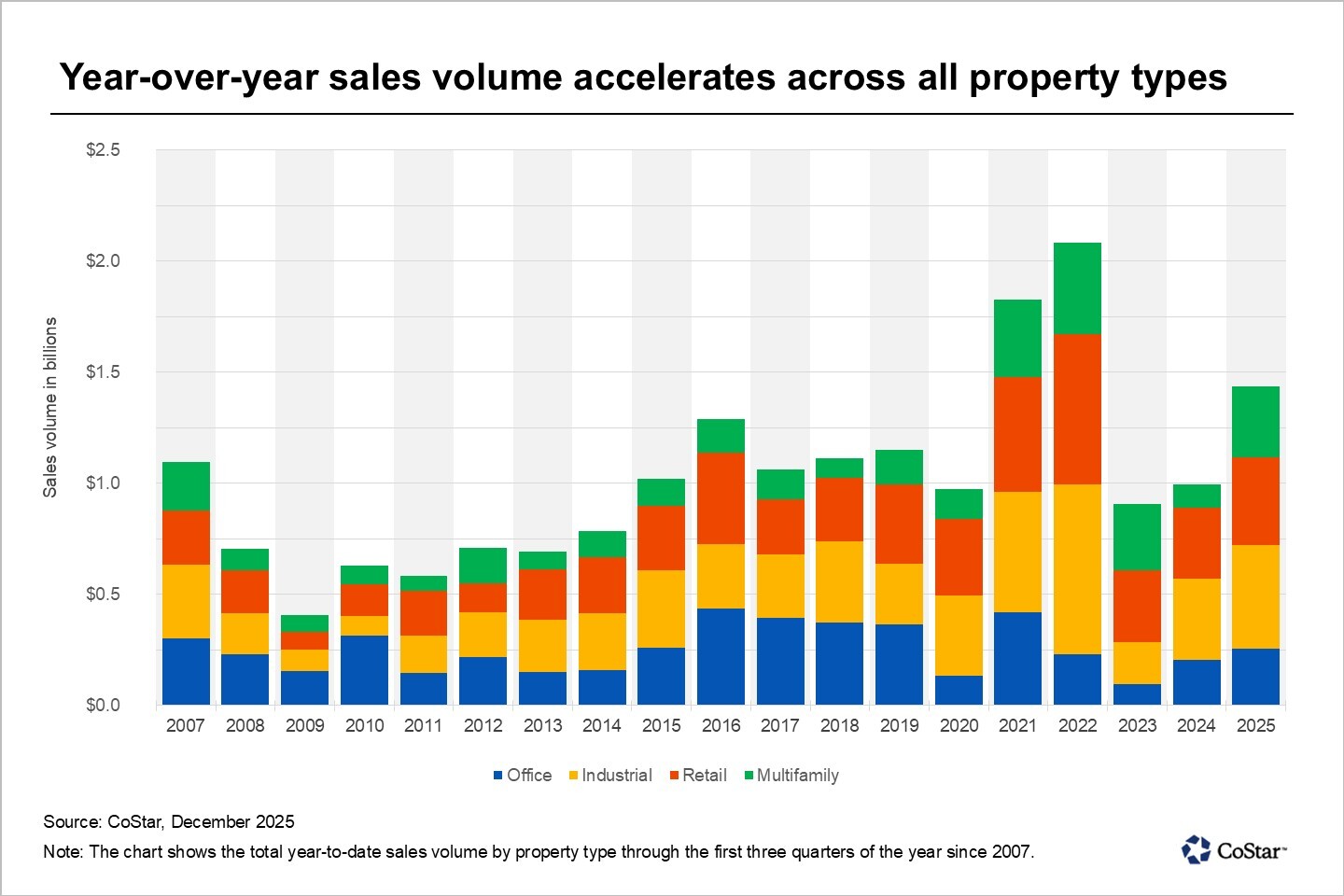
According to CoStar, total sales volume during the first nine months of 2025 hit a three-year high. While the rebound remains selective and price‑driven, this positive trajectory reflects a meaningful improvement in investor confidence—an important milestone for a market that has spent years recalibrating under broader economic and lending pressures.
A Selective but Stronger Investment Environment
The current activity in Milwaukee’s CRE landscape goes beyond rising deal volume. Investors are dialing in on fundamentals that matter most in today’s cautious lending environment: purchase basis, asset quality, and cash‑flow reliability. This disciplined approach is influencing transaction behavior nationwide, and Milwaukee is aligning with a more sustainable investment strategy.
For real estate professionals, these indicators reveal a market shifting from reactive pricing corrections to proactive value targeting. As liquidity improves, well‑positioned industrial properties, stabilized retail assets, and multifamily buildings with strong occupancy are attracting growing buyer interest.
Insight Boost: CoStar’s full analytics remain subscriber-exclusive, but the overarching trend is unmistakable—Milwaukee’s CRE market is entering a healthier, opportunity‑rich phase. Investors who underwrite conservatively and act decisively may find themselves ahead of the next market cycle.
Why This Matters for Real Estate Professionals
Whether you are a seasoned investor, a broker adapting to evolving client priorities, or a new professional exploring specialization, this market shift is meaningful. Selective recoveries often reward those with strong analysis skills and updated market education.
If you’re expanding your career in real estate, mortgage, insurance, or related licensed fields, staying informed is essential. Trusted education providers like Cameron Academy offer flexible licensing programs, continuing education, and professional training that help learners stay competitive across all 50 states.
Looking Ahead
Milwaukee’s upward momentum suggests promising potential heading into 2026—especially if interest rates stabilize and capital flows increase across asset types. Investors will continue watching performance data, tenant behavior, and macroeconomic indicators closely. But for now, it’s clear: Milwaukee has turned a corner.
To explore the complete original report and access industry‑leading CRE insights, visit CoStar.
More Articles
Getting licensed or staying ahead in your career can be a journey—but it doesn’t have to be overwhelming. Grab your favorite coffee or tea, take a moment to relax, and browse through our articles. Whether you’re just starting out or renewing your expertise, we’ve got tips, insights, and advice to keep you moving forward. Here’s to your success—one sip and one step at a time!
Florida’s home insurance market is experiencing a wave of optimism as recent litigation reforms lead to fewer lawsuits, stronger insurer stability, and even rate reductions. With companies like Florida Peninsula lowering premiums and 17 new insurers entering the state, real estate, mortgage, and insurance professionals can expect smoother transactions, increased buyer confidence, and a more competitive market environment in the year ahead.
Mortgage rates have dipped to levels not seen since 2022, with the 30‑year fixed averaging just 6.361% and Freddie Mac reporting an even lower 6.06%. The drop is reshaping buyer affordability, sparking renewed market activity, and creating fresh opportunities for real estate professionals—especially in fast‑moving markets like Florida.
The 2026 housing market is shaping up to be one of the most pivotal in years, with mortgage rates showing slight relief, affordability shifting toward the Midwest and South, and buyers turning to options like ARMs and new‑construction homes. Early signals point to new opportunities for buyers, investors, and real‑estate professionals—especially those ready to navigate a market defined by moderate rate drops, regional affordability gaps, and builder‑driven incentives.
Ares Commercial Real Estate CEO Bryan Donohoe sold US$107k in shares this week, trimming his stake by 13% and adding to a pattern of insider selling with no insider purchases in the past 12 months. With insider ownership sitting at a modest 1.6%, the activity signals a cautious tone inside the company—something real estate, mortgage, and finance professionals may want to watch as they assess broader market confidence.
Florida’s 2026 legislative session is officially underway, launching a wave of high‑impact bills targeting property insurance reform, a proposal to eliminate property taxes, new education attendance requirements, and even an AI Bill of Rights. With over a hundred bills already filed, real estate agents, investors, insurers, educators, and other licensed professionals can expect significant regulatory shifts that may reshape Florida’s housing market, insurance costs, and professional compliance standards.
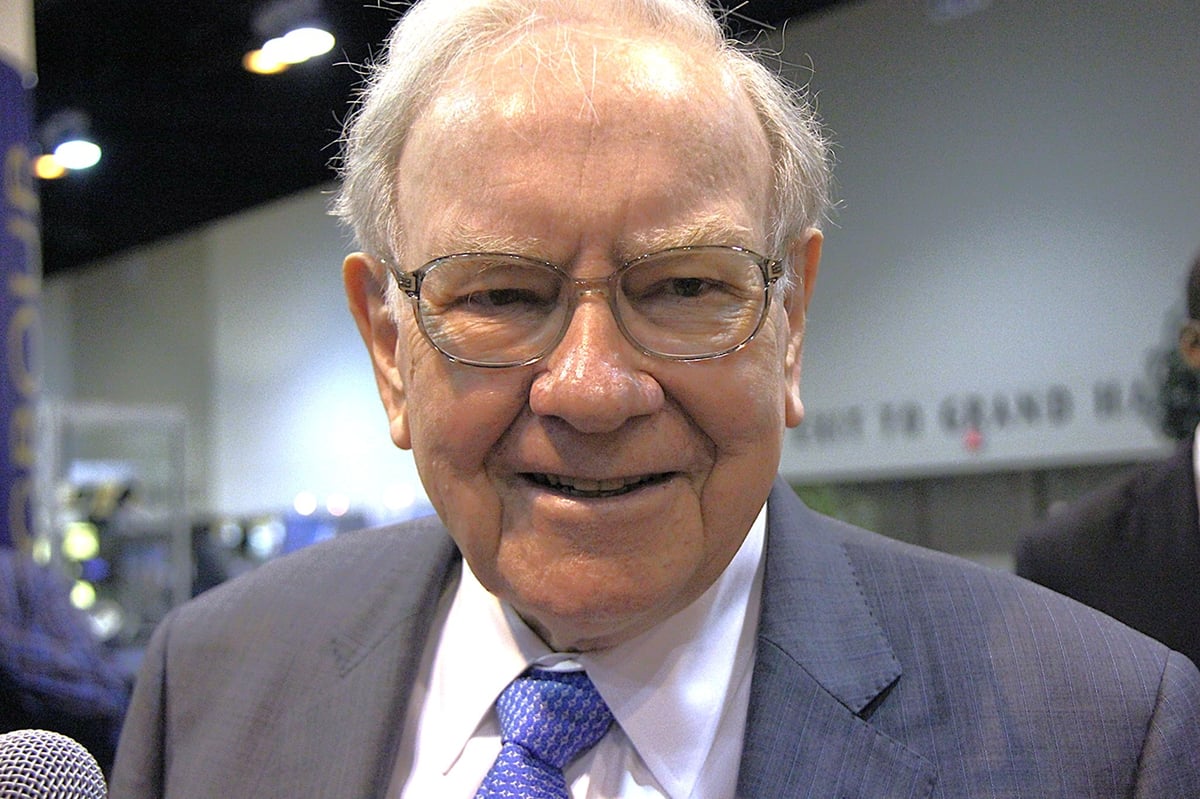
Warren Buffett’s timeless investing wisdom is more relevant than ever in 2026. Despite decades of market change, his core lesson remains the same: long‑term conviction outperforms short‑term prediction. From embracing occasional underperformance to avoiding emotional decisions, Buffett’s philosophy highlights why deep understanding and steady confidence are more valuable than trying to forecast market swings. This mindset isn’t just for investors—it’s a guiding principle for professionals looking to grow their careers with clarity and purpose.