Cataracts, a prevalent eye condition affecting over 24 million Americans, often necessitate surgical intervention for vision restoration. As we age, particularly from age 40 onwards, the proteins within the eye’s lens begin to deteriorate, leading to clouded vision. However, age isn’t the sole catalyst; factors such as genetics, chronic conditions like diabetes, UV exposure, medications, and smoking can also contribute.

Dr. Jeffrey Levenson, a board-certified ophthalmologist and Medical Director at Levenson Eye Associates in Jacksonville, Florida, emphasizes the significance of modern cataract surgery. “Before the advent of modern cataract surgery, cataracts were the leading cause of blindness globally,” he notes, highlighting the stark contrast in underdeveloped regions.

Thanks to medical advancements, today’s cataract surgeries offer enhanced precision and outcomes. Innovations such as laser-assisted techniques and improved intraocular lenses (IOLs) have revolutionized the procedure, often reducing or eliminating the need for glasses.

Recognizing the Need for Surgery

Dr. Levenson outlines several signs indicating the potential need for cataract surgery, including:
  • Blurry or cloudy vision.
  • Difficulty seeing in low light or at night.
  • Halos around lights.
  • Increased light sensitivity and glare.
  • Frequent changes in eyeglass prescriptions.
  • Challenges in night driving.
  • Needing more light for reading or other activities.
The decision for surgery arises when these issues significantly impact daily life, and corrective lenses no longer suffice. A comprehensive eye exam with an ophthalmologist will determine if surgery is appropriate.

Exploring Surgical Options

“There are several types of cataract surgery available,” Dr. Levenson explains. Phacoemulsification, the most common, involves a small corneal incision, ultrasound to break up the cloudy lens, and suction to remove fragments before inserting an artificial IOL. This method usually requires no stitches, allowing quick recovery.

Laser-assisted cataract surgery, using a femtosecond laser, enhances precision and may improve outcomes in certain cases. Factors such as cataract density, pre-existing conditions, desired visual outcomes, and insurance coverage influence the surgical approach.

Choosing the Right Lens

Dr. Levenson collaborates with patients to select the best lens for their lifestyle. Options include:
  • Monofocal IOL: Ideal for distance vision; reading glasses needed.
  • Multifocal IOL: Offers a range of vision, reducing the need for glasses.
  • Toric IOL: Designed for astigmatism, enhancing overall vision.

Post-Surgery Recovery

“Patients typically resume normal activities within 24 hours,” Dr. Levenson states, with vision clearing within a day or two. Most return to regular routines within a week, often amazed at the enhanced brightness and color perception post-surgery.

Success Rates and Complications

“In otherwise healthy eyes, cataract surgery is overwhelmingly successful,” Dr. Levenson affirms, with over 98% achieving excellent vision recovery. However, outcomes can vary for those with additional conditions like glaucoma or macular degeneration.

A common complication is posterior capsule opacification (PCO), or “secondary cataract,” which is treatable with a YAG laser capsulotomy.

Technological Advancements

Recent innovations, such as the TECNIS Odyssey IOL by Johnson & Johnson, offer clear vision across distances and reduce night vision disturbances. Dr. Levenson describes modern cataract surgery as a “time of miracle and wonder,” restoring vision to many.

For more insights, visit the original article on The Healthy by Reader’s Digest.

More Articles

Getting licensed or staying ahead in your career can be a journey—but it doesn’t have to be overwhelming. Grab your favorite coffee or tea, take a moment to relax, and browse through our articles. Whether you’re just starting out or renewing your expertise, we’ve got tips, insights, and advice to keep you moving forward. Here’s to your success—one sip and one step at a time!

Florida’s Insurance Crisis Explained: Why Coastal Risk Is Pushing the Market to Its Breaking Point

Florida’s insurance market is under intense pressure as millions of residents and trillions in property wealth cluster along hurricane‑vulnerable coastlines. This article breaks down how decades of growth in high‑risk zones created today’s crisis, why traditional pricing models can’t keep up, and what real estate and insurance professionals must do to stay ahead. It offers actionable insights on underwriting, risk communication, policy partnerships, and resilience planning—critical knowledge for anyone advising Florida homeowners or navigating the state’s evolving insurance landscape.

Sky‑High Insurance Rates Are Now Florida’s “New Normal,” Experts Warn

Florida’s homeowners insurance market may have stabilized, but not in the way residents hoped. After years of runaway increases, premiums have stopped spiking—but they’re holding at painfully high levels. Coastal properties remain the hardest hit, with some policies topping $15,000 a year, while insurers continue demanding costly upgrades and resisting calls for transparency. For real estate professionals, understanding these pricing pressures is becoming essential as insurance costs increasingly shape buyer decisions across the state.

Hurricane Insurance in Florida: The 2026 Coverage Guide Every Homeowner Needs

Florida homeowners face soaring premiums, shrinking insurer options, and storms that grow stronger each year. This article breaks down what hurricane insurance actually covers, how deductibles really work, why flood insurance is essential, and what professionals in real estate, mortgage, and insurance must understand to protect clients and properties before the next major storm hits.

The Legacy Leader Steps Down: Teresa King Kinney Retires After 33 Years Transforming MIAMI Realtors

Teresa King Kinney, one of the most influential executives in modern real estate, is retiring after 33 years as CEO of the MIAMI Association of Realtors. Under her leadership, the organization grew from 5,000 members to 60,000, became a global real estate powerhouse, and built the nation’s largest association‑owned MLS. As she transitions into CEO Emeritus, MIAMI prepares for a new era shaped by the foundation she spent decades building.

Miami’s Commercial Real Estate Surges Back as Retail Leads a 2025 Rebound

Miami’s commercial property market is heating up again, posting an 11% jump in investment volume for 2025. The surge is driven largely by a revitalized retail sector fueled by population growth, strong tourism, and new mixed‑use development. While office and industrial activity remains steady but softer, investor confidence is returning as Miami’s CRE landscape matures and buyers re‑enter the market with renewed interest in high‑traffic retail opportunities.

The Fed Signals Big Mortgage Rule Changes That Could Reshape Home Lending

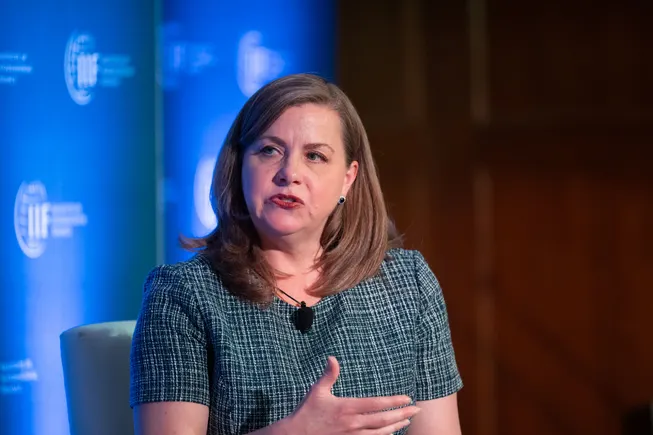
The Federal Reserve is preparing major changes to mortgage regulations in an effort to pull more mortgage activity back into the banking sector. With banks losing significant market share to nonbank lenders over the past decade, Fed Vice Chair for Supervision Michelle Bowman says new proposals may ease capital requirements and make mortgage servicing more attractive for banks. These shifts could have wide‑ranging effects on real estate professionals, lenders, and borrowers as the balance of power in the mortgage market begins to shift once again.