Cataracts, a prevalent eye condition affecting over 24 million Americans, often necessitate surgical intervention for vision restoration. As we age, particularly from age 40 onwards, the proteins within the eye’s lens begin to deteriorate, leading to clouded vision. However, age isn’t the sole catalyst; factors such as genetics, chronic conditions like diabetes, UV exposure, medications, and smoking can also contribute.

Dr. Jeffrey Levenson, a board-certified ophthalmologist and Medical Director at Levenson Eye Associates in Jacksonville, Florida, emphasizes the significance of modern cataract surgery. “Before the advent of modern cataract surgery, cataracts were the leading cause of blindness globally,” he notes, highlighting the stark contrast in underdeveloped regions.

Thanks to medical advancements, today’s cataract surgeries offer enhanced precision and outcomes. Innovations such as laser-assisted techniques and improved intraocular lenses (IOLs) have revolutionized the procedure, often reducing or eliminating the need for glasses.

Recognizing the Need for Surgery

Dr. Levenson outlines several signs indicating the potential need for cataract surgery, including:
  • Blurry or cloudy vision.
  • Difficulty seeing in low light or at night.
  • Halos around lights.
  • Increased light sensitivity and glare.
  • Frequent changes in eyeglass prescriptions.
  • Challenges in night driving.
  • Needing more light for reading or other activities.
The decision for surgery arises when these issues significantly impact daily life, and corrective lenses no longer suffice. A comprehensive eye exam with an ophthalmologist will determine if surgery is appropriate.

Exploring Surgical Options

“There are several types of cataract surgery available,” Dr. Levenson explains. Phacoemulsification, the most common, involves a small corneal incision, ultrasound to break up the cloudy lens, and suction to remove fragments before inserting an artificial IOL. This method usually requires no stitches, allowing quick recovery.

Laser-assisted cataract surgery, using a femtosecond laser, enhances precision and may improve outcomes in certain cases. Factors such as cataract density, pre-existing conditions, desired visual outcomes, and insurance coverage influence the surgical approach.

Choosing the Right Lens

Dr. Levenson collaborates with patients to select the best lens for their lifestyle. Options include:
  • Monofocal IOL: Ideal for distance vision; reading glasses needed.
  • Multifocal IOL: Offers a range of vision, reducing the need for glasses.
  • Toric IOL: Designed for astigmatism, enhancing overall vision.

Post-Surgery Recovery

“Patients typically resume normal activities within 24 hours,” Dr. Levenson states, with vision clearing within a day or two. Most return to regular routines within a week, often amazed at the enhanced brightness and color perception post-surgery.

Success Rates and Complications

“In otherwise healthy eyes, cataract surgery is overwhelmingly successful,” Dr. Levenson affirms, with over 98% achieving excellent vision recovery. However, outcomes can vary for those with additional conditions like glaucoma or macular degeneration.

A common complication is posterior capsule opacification (PCO), or “secondary cataract,” which is treatable with a YAG laser capsulotomy.

Technological Advancements

Recent innovations, such as the TECNIS Odyssey IOL by Johnson & Johnson, offer clear vision across distances and reduce night vision disturbances. Dr. Levenson describes modern cataract surgery as a “time of miracle and wonder,” restoring vision to many.

For more insights, visit the original article on The Healthy by Reader’s Digest.

More Articles

Getting licensed or staying ahead in your career can be a journey—but it doesn’t have to be overwhelming. Grab your favorite coffee or tea, take a moment to relax, and browse through our articles. Whether you’re just starting out or renewing your expertise, we’ve got tips, insights, and advice to keep you moving forward. Here’s to your success—one sip and one step at a time!

Is Florida’s Booming Real Estate Market Becoming Unaffordable?

Florida is facing a real estate crisis marked by skyrocketing insurance premiums, stringent FEMA rules, and a surge in hedge fund property acquisitions.

By |November 14, 2024|Categories: Article, Finance/Economy, Real Estate|Tags: , |0 Comments

Revolutionizing Cancer Therapy: The Promise of Patient-Derived Organoids

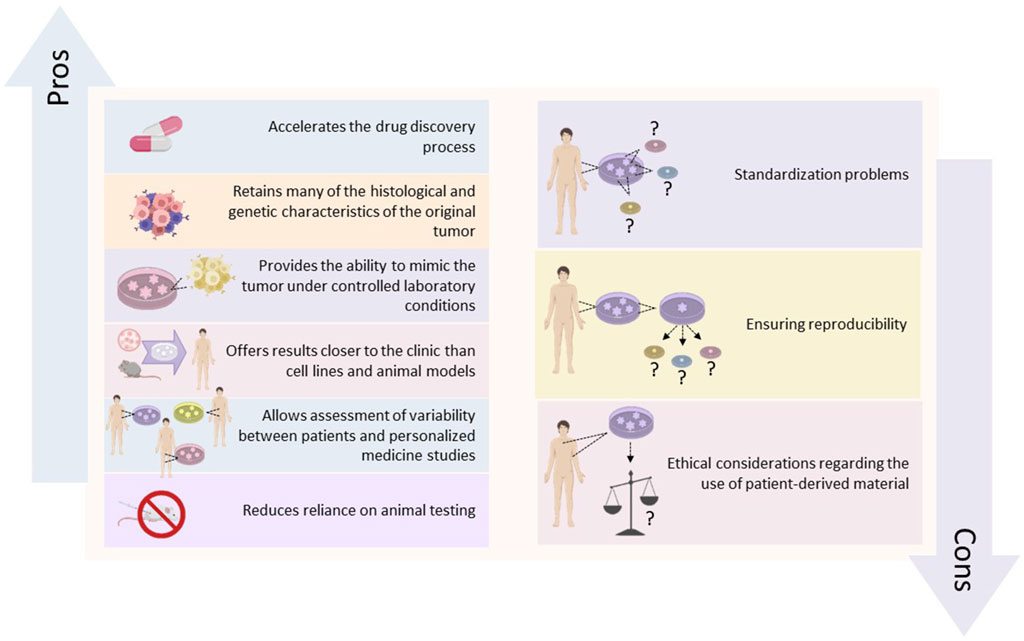
Patient-derived organoids offer an unprecedented opportunity to replicate the complex structure and genetic makeup of cancers, providing a more accurate model for clinical drug screening and pharmacognostic assessment.

The AI Revolution in Dermatology: A Systematic Review

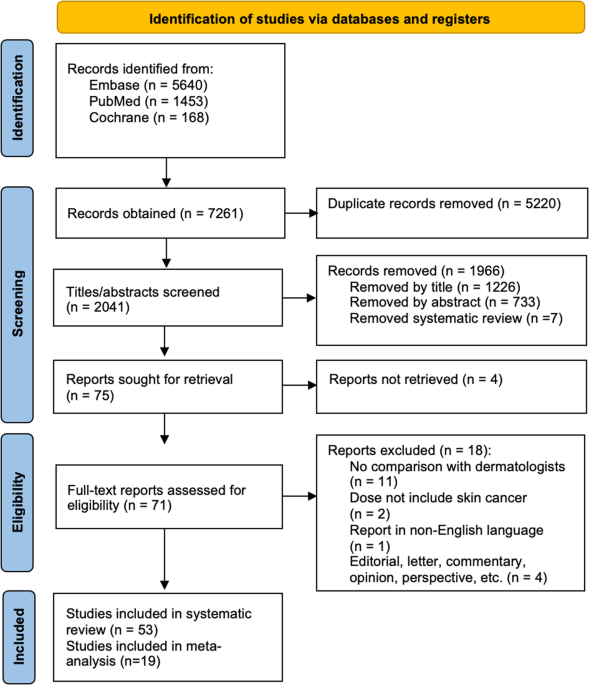
In a groundbreaking study published in Nature, researchers have delved into the burgeoning field of artificial intelligence (AI) in dermatology, specifically examining its role in diagnosing skin cancer. The study, titled "A Systematic Review and Meta-Analysis of Artificial Intelligence Versus Clinicians for Skin Cancer Diagnosis," offers a comprehensive look at how AI stacks up against human clinicians in this critical area of healthcare.

By |November 14, 2024|Categories: AI in Healthcare, Article, Dermatology|Tags: , |0 Comments

The Fast Lane to Fully Autonomous Vehicles: Industry Innovations and Future Prospects

The automotive world is abuzz with announcements from major players like Tesla, Rimac, Renault, and Nissan, each unveiling plans to introduce autonomous vehicles in the near future. Tesla's much-anticipated "CyberCab" is set for an October 2024 debut, while Rimac and Renault are gearing up for releases in 2026.

Futureproofing for Insurers: The Role of AI and Hyper-Personalization

In a rapidly evolving industry, insurance companies are turning to artificial intelligence (AI) and hyper-personalization to stay ahead of the curve.

Revolutionizing Healthcare: The Power and Potential of AI

AI technology offers a multitude of benefits, from enhancing patient outcomes to reducing healthcare costs and improving population health. Its application ranges from preventive screenings to complex diagnostic procedures, marking a new era in medical care.

By |November 13, 2024|Categories: Article, Artificial Intelligence, Healthcare|Tags: , |0 Comments