Cataracts, a prevalent eye condition affecting over 24 million Americans, often necessitate surgical intervention for vision restoration. As we age, particularly from age 40 onwards, the proteins within the eye’s lens begin to deteriorate, leading to clouded vision. However, age isn’t the sole catalyst; factors such as genetics, chronic conditions like diabetes, UV exposure, medications, and smoking can also contribute.

Dr. Jeffrey Levenson, a board-certified ophthalmologist and Medical Director at Levenson Eye Associates in Jacksonville, Florida, emphasizes the significance of modern cataract surgery. “Before the advent of modern cataract surgery, cataracts were the leading cause of blindness globally,” he notes, highlighting the stark contrast in underdeveloped regions.

Thanks to medical advancements, today’s cataract surgeries offer enhanced precision and outcomes. Innovations such as laser-assisted techniques and improved intraocular lenses (IOLs) have revolutionized the procedure, often reducing or eliminating the need for glasses.

Recognizing the Need for Surgery

Dr. Levenson outlines several signs indicating the potential need for cataract surgery, including:
  • Blurry or cloudy vision.
  • Difficulty seeing in low light or at night.
  • Halos around lights.
  • Increased light sensitivity and glare.
  • Frequent changes in eyeglass prescriptions.
  • Challenges in night driving.
  • Needing more light for reading or other activities.
The decision for surgery arises when these issues significantly impact daily life, and corrective lenses no longer suffice. A comprehensive eye exam with an ophthalmologist will determine if surgery is appropriate.

Exploring Surgical Options

“There are several types of cataract surgery available,” Dr. Levenson explains. Phacoemulsification, the most common, involves a small corneal incision, ultrasound to break up the cloudy lens, and suction to remove fragments before inserting an artificial IOL. This method usually requires no stitches, allowing quick recovery.

Laser-assisted cataract surgery, using a femtosecond laser, enhances precision and may improve outcomes in certain cases. Factors such as cataract density, pre-existing conditions, desired visual outcomes, and insurance coverage influence the surgical approach.

Choosing the Right Lens

Dr. Levenson collaborates with patients to select the best lens for their lifestyle. Options include:
  • Monofocal IOL: Ideal for distance vision; reading glasses needed.
  • Multifocal IOL: Offers a range of vision, reducing the need for glasses.
  • Toric IOL: Designed for astigmatism, enhancing overall vision.

Post-Surgery Recovery

“Patients typically resume normal activities within 24 hours,” Dr. Levenson states, with vision clearing within a day or two. Most return to regular routines within a week, often amazed at the enhanced brightness and color perception post-surgery.

Success Rates and Complications

“In otherwise healthy eyes, cataract surgery is overwhelmingly successful,” Dr. Levenson affirms, with over 98% achieving excellent vision recovery. However, outcomes can vary for those with additional conditions like glaucoma or macular degeneration.

A common complication is posterior capsule opacification (PCO), or “secondary cataract,” which is treatable with a YAG laser capsulotomy.

Technological Advancements

Recent innovations, such as the TECNIS Odyssey IOL by Johnson & Johnson, offer clear vision across distances and reduce night vision disturbances. Dr. Levenson describes modern cataract surgery as a “time of miracle and wonder,” restoring vision to many.

For more insights, visit the original article on The Healthy by Reader’s Digest.

More Articles

Getting licensed or staying ahead in your career can be a journey—but it doesn’t have to be overwhelming. Grab your favorite coffee or tea, take a moment to relax, and browse through our articles. Whether you’re just starting out or renewing your expertise, we’ve got tips, insights, and advice to keep you moving forward. Here’s to your success—one sip and one step at a time!

Phoenix Housing Market Surges Ahead of the Nation in 2025

The Phoenix housing market continues to outperform the rest of the country, posting stronger sales, rising equity, and an influx of qualified buyers. With closed sales, pending sales, new listings, and median prices all trending upward, the Valley is outpacing national growth by a wide margin. City‑level data shows impressive strength across Scottsdale, Goodyear, Gilbert, Phoenix, and more—making 2025 a powerful year for agents, investors, and professionals watching the Arizona market.

20 High-Demand Jobs to Watch as 2026 Approaches — Major Events Are Fueling New Opportunities

With the 2026 FIFA World Cup and America’s 250th birthday celebrations on the horizon, the U.S. job market is gearing up for a surge across multiple industries. Seasonal, flexible, and part‑time roles are expected to rise—especially for workers 50+ who have struggled in a cooling labor market. From accounting and HR leadership to event staffing and delivery driving, major cities are preparing for increased hiring tied to tourism, infrastructure, and yearlong national celebrations. Many of these fast‑growing roles connect directly to licensing and certification pathways, giving professionals new chances to pivot or upskill through programs offered by Cameron Academy.

New Florida Laws Taking Effect January 1, 2026: Key Updates for Professionals

Florida is rolling out a new wave of laws on January 1, 2026 that will impact professionals in real estate, insurance, healthcare, education, and other regulated industries. From new insurance rules and healthcare billing requirements to condo association deadlines and statewide databases, these updates reshape compliance expectations across the state. Whether you work in property, finance, or public‑facing services, understanding these changes is essential for staying aligned with Florida’s evolving regulations.

Commercial Real Estate Pros Are Almost All Bullish on 2026

Nearly every commercial real estate professional is expecting a stronger year ahead, with 97% predicting increased or stable activity in 2026, according to Avison Young’s latest outlook. Confidence has surged dramatically since mid‑2025 as strong sales, anticipated rate cuts, and improving fundamentals across key sectors signal that CRE recovery and growth may finally be taking hold.

Dallas‑Fort Worth’s 2025 Boom: The Metroplex Redefining U.S. Growth

Dallas‑Fort Worth is finishing 2025 as the nation’s top real estate and business powerhouse, fueled by corporate relocations, a dominant industrial sector, infrastructure megaprojects, and a rapidly evolving workforce landscape. From data center expansion to the launch of the DART Silver Line, the region continues to outpace national trends—while also confronting a growing demand for skilled professionals and licensed talent across construction, real estate, and technical fields.

FEMA and NJDEP Unveil New Morris County Flood Maps, Triggering Key Changes for Property Owners and Professionals

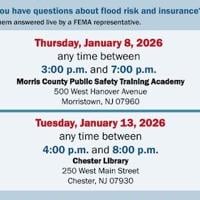
FEMA and the NJDEP have released revised preliminary flood maps for Morris County, reshaping how homeowners, real estate agents, insurers, and mortgage professionals assess flood risk. The updated FIRMs may shift properties into or out of higher‑risk zones, affecting insurance requirements, closing processes, and long‑term property values. With public review and appeals ahead, industry professionals are urged to study the changes now and prepare clients for potential impacts.