Cataracts, a prevalent eye condition affecting over 24 million Americans, often necessitate surgical intervention for vision restoration. As we age, particularly from age 40 onwards, the proteins within the eye’s lens begin to deteriorate, leading to clouded vision. However, age isn’t the sole catalyst; factors such as genetics, chronic conditions like diabetes, UV exposure, medications, and smoking can also contribute.

Dr. Jeffrey Levenson, a board-certified ophthalmologist and Medical Director at Levenson Eye Associates in Jacksonville, Florida, emphasizes the significance of modern cataract surgery. “Before the advent of modern cataract surgery, cataracts were the leading cause of blindness globally,” he notes, highlighting the stark contrast in underdeveloped regions.

Thanks to medical advancements, today’s cataract surgeries offer enhanced precision and outcomes. Innovations such as laser-assisted techniques and improved intraocular lenses (IOLs) have revolutionized the procedure, often reducing or eliminating the need for glasses.

Recognizing the Need for Surgery

Dr. Levenson outlines several signs indicating the potential need for cataract surgery, including:
  • Blurry or cloudy vision.
  • Difficulty seeing in low light or at night.
  • Halos around lights.
  • Increased light sensitivity and glare.
  • Frequent changes in eyeglass prescriptions.
  • Challenges in night driving.
  • Needing more light for reading or other activities.
The decision for surgery arises when these issues significantly impact daily life, and corrective lenses no longer suffice. A comprehensive eye exam with an ophthalmologist will determine if surgery is appropriate.

Exploring Surgical Options

“There are several types of cataract surgery available,” Dr. Levenson explains. Phacoemulsification, the most common, involves a small corneal incision, ultrasound to break up the cloudy lens, and suction to remove fragments before inserting an artificial IOL. This method usually requires no stitches, allowing quick recovery.

Laser-assisted cataract surgery, using a femtosecond laser, enhances precision and may improve outcomes in certain cases. Factors such as cataract density, pre-existing conditions, desired visual outcomes, and insurance coverage influence the surgical approach.

Choosing the Right Lens

Dr. Levenson collaborates with patients to select the best lens for their lifestyle. Options include:
  • Monofocal IOL: Ideal for distance vision; reading glasses needed.
  • Multifocal IOL: Offers a range of vision, reducing the need for glasses.
  • Toric IOL: Designed for astigmatism, enhancing overall vision.

Post-Surgery Recovery

“Patients typically resume normal activities within 24 hours,” Dr. Levenson states, with vision clearing within a day or two. Most return to regular routines within a week, often amazed at the enhanced brightness and color perception post-surgery.

Success Rates and Complications

“In otherwise healthy eyes, cataract surgery is overwhelmingly successful,” Dr. Levenson affirms, with over 98% achieving excellent vision recovery. However, outcomes can vary for those with additional conditions like glaucoma or macular degeneration.

A common complication is posterior capsule opacification (PCO), or “secondary cataract,” which is treatable with a YAG laser capsulotomy.

Technological Advancements

Recent innovations, such as the TECNIS Odyssey IOL by Johnson & Johnson, offer clear vision across distances and reduce night vision disturbances. Dr. Levenson describes modern cataract surgery as a “time of miracle and wonder,” restoring vision to many.

For more insights, visit the original article on The Healthy by Reader’s Digest.

More Articles

Getting licensed or staying ahead in your career can be a journey—but it doesn’t have to be overwhelming. Grab your favorite coffee or tea, take a moment to relax, and browse through our articles. Whether you’re just starting out or renewing your expertise, we’ve got tips, insights, and advice to keep you moving forward. Here’s to your success—one sip and one step at a time!

Florida’s Political Storm: Immigration Protests, Insurance Shakeups, and Health Care Uncertainty

Palm Beach protests erupted as intensified immigration enforcement reached the heart of Trump’s hometown, while millions in Florida brace for rising health care costs as key subsidies near expiration. At the same time, state regulators boldly declare the long‑running property insurance crisis “over,” leaving homeowners and industry professionals questioning whether true stability has finally returned.

Real Estate Strategic Outlooks: Year-End 2025

As 2025 comes to a close, the real estate industry is shifting from uncertainty to strategic expansion. According to DWS’s Year-End 2025 Outlook, property values are stabilizing after years of repricing, capital is concentrating on high-quality assets, and Sunbelt markets—especially Florida—continue to outperform. With technology enhancing rather than replacing professional expertise, 2026 is shaping up to reward professionals who stay informed, skilled, and strategically positioned for the next cycle.

Texas Investors Ride Into San Francisco, Snapping Up Union Square Deals as the Market Hits Bottom

Texas capital is pouring into San Francisco’s long‑struggling commercial real estate market, with Lone Star investors buying up discounted Union Square buildings and signaling what many experts believe is the city’s market bottom. As office activity and confidence begin to return, buyers from across the country are joining the rush, turning SF’s post‑pandemic slump into one of the nation’s hottest bargain opportunities.

2026 Tech100 Countdown: Housing Tech Innovation Surges as Nomination Window Closes

With 2026 HousingWire Tech100 nominations closing on December 19, the housing tech sector is accelerating at full speed. AI‑powered data platforms, digital closing breakthroughs, embedded insurance growth, and next‑generation servicing automation are reshaping real estate, mortgage, insurance, and finance. From ATTOM’s AI‑ready property intelligence to Hapi Homes’ Martha Stewart design revival, Obie’s nationwide expansion, Outamation’s servicing automation, and ServiceLink’s next‑level borrower scheduling, this year’s standout innovators are defining the future of the housing economy.

Woodland Hills Retail Center Sold for $64 Million in Major Southern California CRE Deal

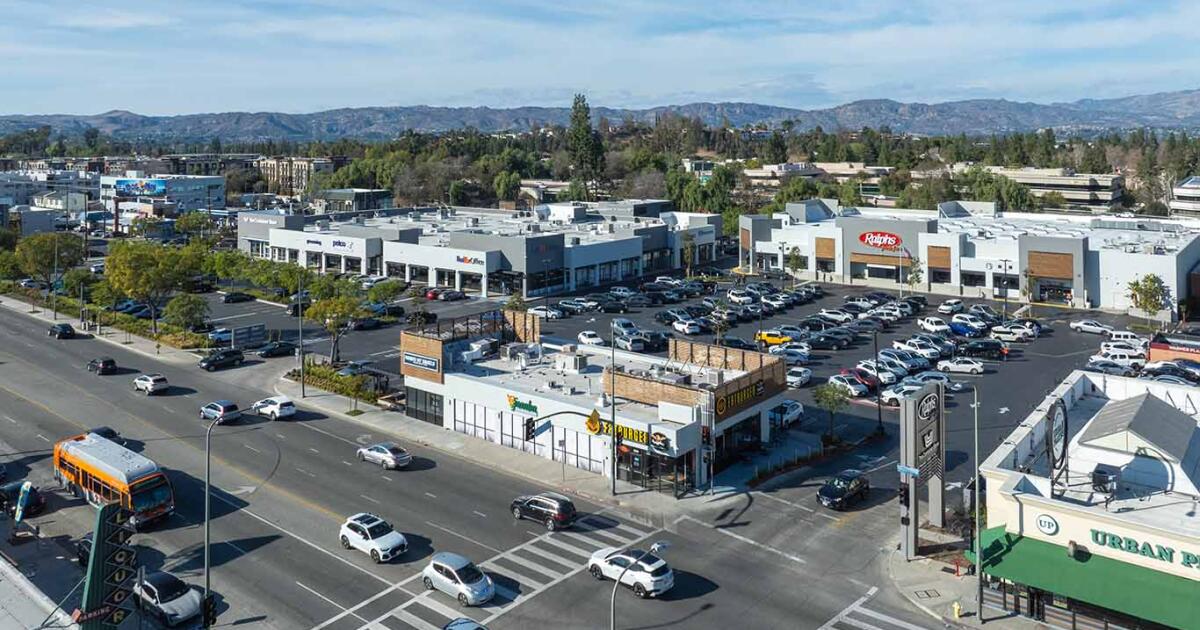
Space Investment Partners has acquired the 123,402‑square‑foot Topanga Gateway retail center in Woodland Hills for $64 million, marking another significant move in the firm’s expanding grocery‑anchored investment strategy. Located at a high‑visibility intersection and 97% occupied at the time of sale, the property strengthens the company’s push toward $500 million to $1 billion in retail acquisitions for 2026, underscoring continued investor confidence in necessity‑based retail assets.

Mortgage Rates Shift After Final 2025 Fed Cut: What Homebuyers Should Know Today

After the Federal Reserve’s final 2025 rate cut on December 10, mortgage markets are recalibrating, giving buyers and homeowners a glimmer of relief. Rates remain lower than earlier in the year, with 30-year fixed loans at 6.12% and refinances dipping as well. This shift may spark renewed activity for buyers, refinancers, and real estate professionals heading into 2026.